Road Safety Week 2026: What HGV Drivers Want Other Road Users to Know

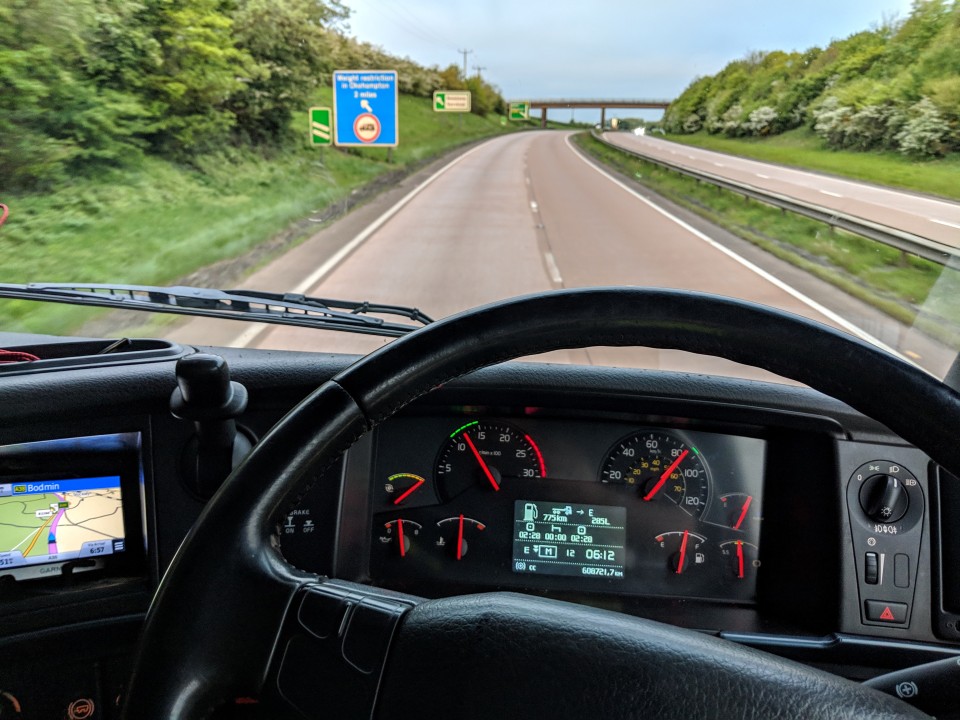
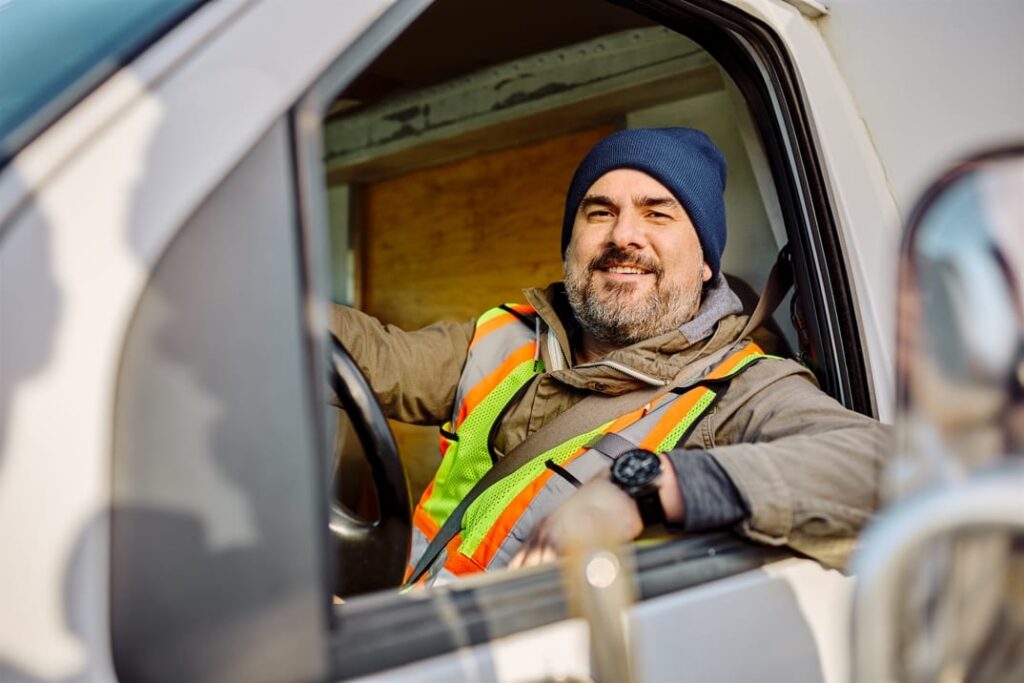
Every day, thousands of HGV drivers travel across the UK’s roads, delivering the goods that businesses and communities rely on. But sharing the road with large vehicles requires awareness, patience and an understanding of the challenges drivers face.
Road Safety Week 2026 is taking place this week (15–21 November), highlighting the importance of making our roads safer for everyone.
Organised by road safety charity Brake, the annual campaign brings together communities, organisations and road users to raise awareness of road safety.
At SNAP, we’re marking Road Safety Week by sharing perspectives from HGV drivers and other road users about the challenges of sharing the road with large vehicles. From blind spots to stopping distances, their experiences highlight why greater understanding and consideration are so important.
Why is Road Safety Week important?
Road safety remains a significant concern across the UK.
According to the Department for Transport’s road casualty statistics, thousands of people are killed or seriously injured on Great Britain’s roads every year.
For HGV drivers, who spend much of their working lives on the road, these figures reinforce the importance of safe driving practices and greater awareness among other road users.
Large vehicles present different challenges from passenger cars, including restricted visibility, longer stopping distances and the need for additional manoeuvring space.
Understanding these differences can help everyone make safer decisions.
What HGV drivers want other road users to know

1. HGVs have significant blind spots
One of the biggest challenges for HGV drivers is visibility.
Despite mirrors and modern safety technology, there are areas around a truck where other vehicles, cyclists and pedestrians may be difficult to see.
These include areas directly in front of the cab, alongside the vehicle and behind the trailer.
One HGV driver highlighted the importance of remaining aware of these areas:
“As a HGV driver, safety is my number one priority daily. Whether I’m delivering or driving. It’s always in the back of my mind. So my top tip to drivers, keep your distance, and always remember that we have 4/5 blind spots”
— Billy HQ, TikTok comment
What other road users can do:
-
Avoid travelling alongside an HGV for longer than necessary.
-
Never assume the driver has seen you.
-
Give trucks additional space at junctions and roundabouts.
-
Avoid moving into areas where the driver’s visibility may be restricted.
National Highways’ guidance on driving around HGVs provides further advice on staying visible around large vehicles.
2. Trucks need more time and space to stop
A fully loaded HGV generally requires a greater stopping distance than a passenger car.
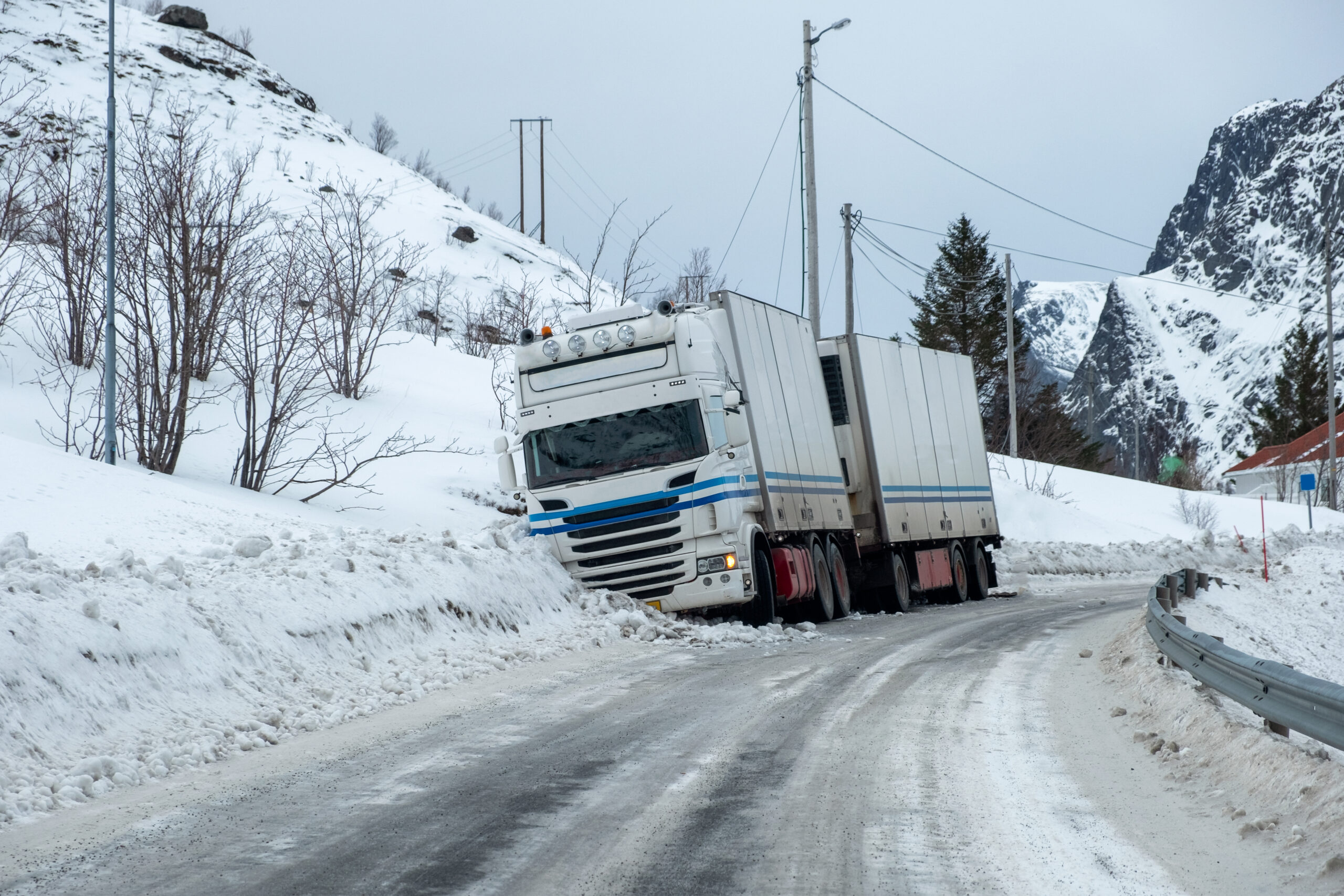
Vehicle weight, speed, road conditions and reaction time all influence stopping distances. This becomes particularly important during heavy rain, icy conditions and motorway congestion.
One particularly dangerous situation occurs when a car overtakes a truck and immediately moves into the space ahead of it.
A TikTok commenter who has spent time travelling with an HGV driver shared their frustration with this behaviour:
“The amount of times car drivers cut lorries up on the motorway coz they need that slip road. Plus car can stop relatively easy as a 44tone vehicle on the other hand can’t stop easily.”
— @libbylou3530, TikTok comment
What other road users can do:
-
Leave plenty of space when moving back in front of a truck.
-
Avoid sudden braking or unnecessary lane changes.
-
Maintain a safe following distance.
-
Allow additional space during poor weather.
The Highway Code advises drivers to maintain sufficient distance to stop safely and recognises that large vehicles require greater stopping distances.
3. HGVs need extra room to turn
Have you ever seen a truck move slightly in the opposite direction before making a turn?
Large vehicles sometimes need additional road space to complete a manoeuvre safely, particularly at tight junctions, roundabouts and entrances.
This can be confusing for motorists who are unfamiliar with how trucks operate.
One TikTok commenter explained a common misunderstanding:
“There’s not enough understanding from non HGV drivers. We take the space we need to turn, but most car drivers think we’re giving them the space”
— @onlyjokes123, TikTok comment
Attempting to squeeze past a turning HGV can create a dangerous situation, particularly for cyclists and pedestrians.
What other road users can do:
-
Never attempt to pass a truck on the inside when it is turning.
-
Give HGVs additional space at junctions.
-
Pay attention to indicators and vehicle positioning.
-
Be patient when a truck needs more time to complete a manoeuvre.
A few extra seconds of patience can help prevent a serious collision.
4. Patience and understanding make a difference
HGV drivers operate under different conditions from everyday motorists.
Their vehicles accelerate more slowly, require greater manoeuvring space and are subject to specific speed limits and driving regulations.
On busy motorways, drivers may also encounter vehicles cutting into small gaps, following too closely or making sudden lane changes.
One driver expressed frustration at the lack of understanding between motorists and professional drivers:
“I don’t think car drivers understand what we have to deal with. People who train people to drive cars should spend the day driving a truck”
— Truck Driver, TikTok comment
While not everyone will experience driving an HGV, understanding the challenges involved can make a difference.
Allowing trucks room to merge, maintaining safe distances and avoiding aggressive driving can make journeys safer for everyone.
Road safety is a shared responsibility, and small decisions can have a significant impact.
5. Fatigue is a serious road safety concern
Long journeys, demanding schedules and changing road conditions can make fatigue an important consideration for professional drivers.
HGV drivers must follow regulations governing driving time, breaks and rest periods. However, managing fatigue also involves recognising when additional rest is necessary.
For fleet operators, supporting drivers with realistic schedules and access to suitable stopping locations is an important part of maintaining safe operations.
For other road users, understanding that professional drivers need regular breaks can help build greater awareness of the demands of the job.
The government’s guidance on drivers’ hours and tachographs provides further information on the regulations professional drivers must follow.
How fleet operators can support safer journeys
Road Safety Week is also an opportunity for fleet operators to review the support they provide to drivers.
While vehicle safety and driver training remain essential, everyday operational decisions can also influence road safety.
Some practical considerations include:
-
Journey planning: Allow sufficient time for deliveries, breaks and unexpected delays.
-
Driver wellbeing: Encourage drivers to report fatigue and take appropriate rest.
-
Vehicle maintenance: Carry out regular safety checks and address defects promptly.
-
Parking arrangements: Help drivers identify suitable locations for rest stops.
-
Safety communication: Reinforce safe driving practices throughout the year.
Access to suitable truck parking is particularly important when planning longer journeys.
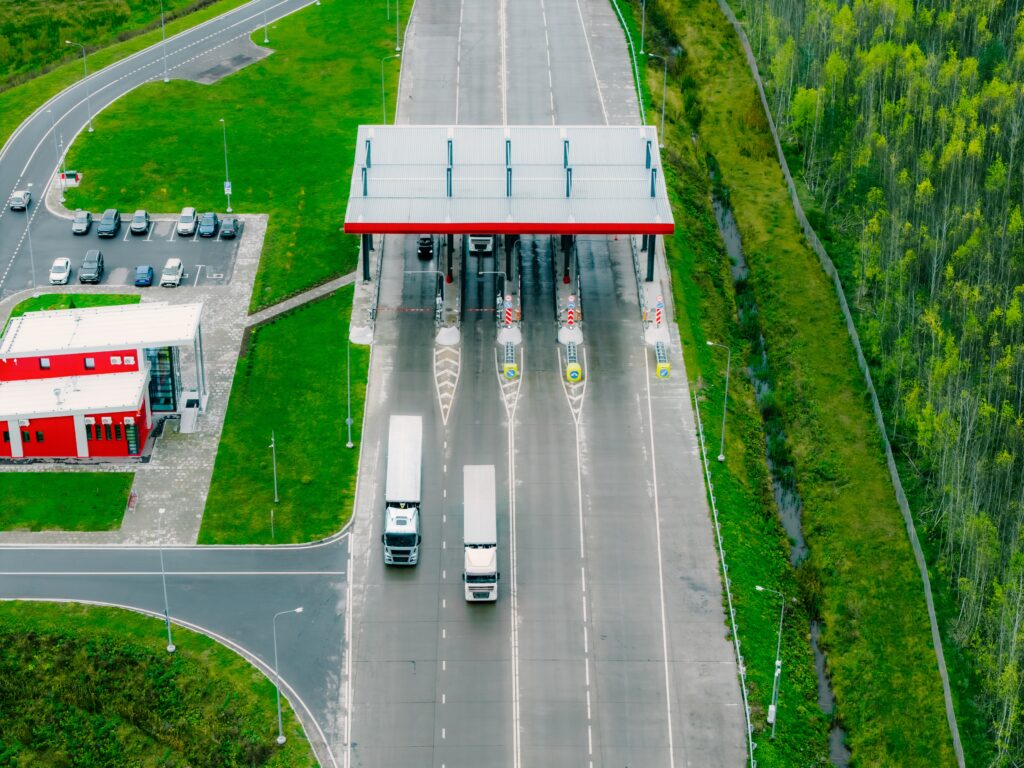
Through the SNAP truck parking network, fleets and drivers can access parking locations across the UK and Europe, helping them plan where to stop during their journeys.
Road safety matters all year round

Road Safety Week 2026 reminds us that safer roads depend on everyone.
The experiences shared by HGV drivers and other road users highlight a common message: greater awareness, patience and consideration can make a difference.
For motorists, that could mean giving an HGV more space, avoiding blind spots or showing patience at a busy junction.
For professional drivers and fleet operators, it means continuing to prioritise safe driving, vehicle maintenance, suitable rest and responsible journey planning.
At SNAP, we recognise the important role HGV drivers play in keeping goods moving every day. Supporting their journeys means understanding the challenges they face and encouraging safer roads for everyone.
This Road Safety Week, we’re encouraging everyone to give HGV drivers the space, patience and consideration they need to help keep our roads safe.
Find out more about the campaign and how to get involved through Brake’s Road Safety Week 2026.