Guest
Știri și actualizări • 4 min citește

Boom-ul infrastructurii din România - Ce înseamnă acesta pentru sectorul mobilității

Creat: 22.09.2025

Actualizat: 22.09.2025

România se transformă rapid într-un nod logistic și de transport de marfă strategic în sud-estul Europei. Susținută de miliarde de euro din fonduri UE și naționale, renașterea infrastructurii țării atrage operatori de flote, investitori în logistică și producători. În acest articol, analizăm ce înseamnă aceste evoluții pentru flote, șoferi și sectorul transporturilor în general.

Infrastructura de transport a României a cunoscut o schimbare dramatică de ritm și amploare. Guvernul a alocat aproximativ 25 de miliarde de lei (4,27 miliarde de lire sterline) pentru proiecte rutiere în 2026, reflectând un accent fără precedent pe autostrăzi și coridoare de transport de marfă.

La jumătatea anului 2025, România avea aproximativ 1 325 km de autostrăzi în exploatare (1 188 km de autostrăzi și 138 km de drumuri expres), alți 741 km fiind în construcție și 669 km în faza de licitație.

Până în 2030, România intenționează să își dubleze rețeaua de autostrăzi, să modernizeze rutele feroviare strategice, să extindă transportul urban și să conecteze regiuni care au fost mult timp izolate. Provocarea este imensă, dar rezultatul ar putea transforma poziția țării pe harta europeană a transporturilor.

Printre proiectele-cheie se numără axa nord-sud A7, care se întinde de la Ploiești la Siret și care va facilita transportul până la granița cu Ucraina, a cărei finalizare este prevăzută pentru 2026. Un altul este un drum expres de 11 km care leagă Satu Mare de granița României cu Ungaria. Șoseaua de centură A0 a Bucureștiului va facilita traficul de mărfuri și pasageri în jurul capitalei, jumătatea sudică fiind deja utilizată. Alte lucrări majore includ coridoarele Suceava-Oar și Timișoara-Moravița, precum și tunelul Meseș de 2,9 km, care va deveni cel mai lung tunel rutier din România.

"Aceste coridoare nu vor îmbunătăți doar legăturile est-vest și nord-sud, ci vor conecta regiuni izolate anterior, precum Moldova și nord-estul țării, cu restul țării și cu UE", comentează Eduard Ularu, Business Development Manager la SNAP.

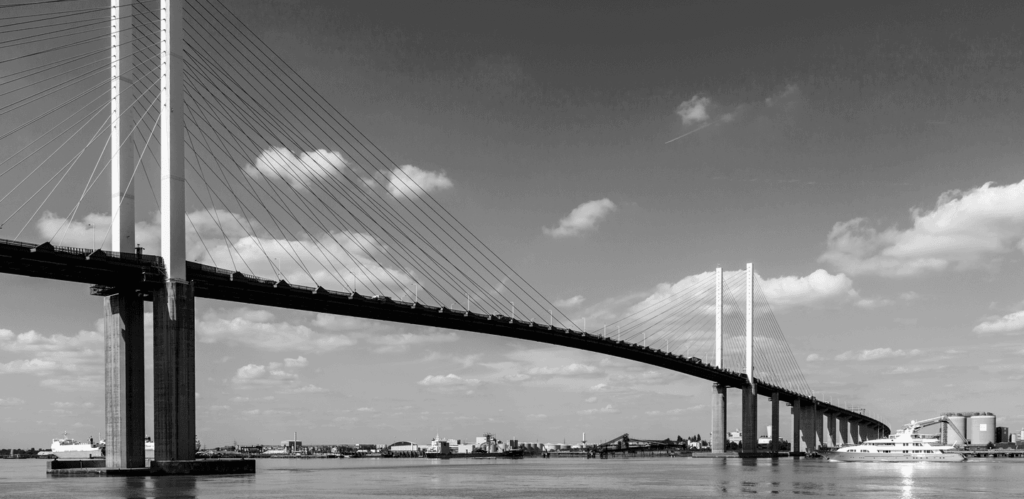
Dar infrastructura nu înseamnă doar drumuri. [Podul de la Brăila] (https://ec.europa.eu/regionalpolicy/whats-new/panorama/2023/07/19-07-2023-braila-bridge-a-great-leap-for-romania-and-the-euen) peste Dunăre, deschis în iulie 2023 la un cost de 500 de milioane EUR (363 de milioane EUR cofinanțate de UE), oferă prima trecere peste Dunărea maritimă și îmbunătățește semnificativ conectivitatea cu Constanța și Dobrogea.

Alte dezvoltări vitale includ modernizarea planificată a căii ferate în portul Constanța și extinderea de 130 de milioane de euro a capacității de containere și ro-ro a DP World România, care dublează producția și adaugă legături logistice rutiere și feroviare.

De ce este important

Piața de transport de marfă și logistică din România este considerabilă. Evaluată la aproximativ 21,11 miliarde USD în 2025, se estimează că va crește la 24,27 miliarde USD până în 2030. Între timp, numai segmentul transportului rutier de marfă este estimat la 9,07 miliarde USD în 2025, ajungând la 10,37 miliarde USD până în 2030.

Aceste cifre reflectă rolul tot mai important al României ca coridor transeuropean, deservind rutele din Ungaria, Bulgaria, Ucraina, Moldova și porturile de la Marea Neagră. Ucraina își direcționează în prezent o mare parte din [exporturile de cereale prin Constanța] (https://breakbulk.news/romanias-government-approves-railroad-upgrades-for-constanta-port/) pe coasta Mării Negre, vizând o dublare de la 2 milioane la 4 milioane de tone pe lună prin infrastructura românească.

"Aceste investiții vor ajuta România să concureze mai puternic cu marile centre logistice precum cele din Polonia și Grecia", comentează Eduard Ularu. "Constanța are un potențial uriaș și, cu infrastructura potrivită, poate deveni în sfârșit poarta de intrare pentru comerțul european care trebuia să fie."

Îmbunătățirea depozitării, scăderea costurilor cu forța de muncă și tendințele friend-shoring încurajează și mai mult producătorii și comercianții cu amănuntul să amplaseze centre logistice în România, sporind cererea pe drumuri și stimulând creșterea în întreaga rețea.

Dezvoltări digitale

Îmbunătățirile infrastructurii nu sunt doar fizice - ci și digitale. Pe măsură ce țara își extinde autostrăzile și coridoarele de transport de marfă, aceasta integrează sisteme inteligente concepute pentru a sprijini călătorii mai rapide, mai sigure și mai eficiente.

În întreaga rețea sunt instalate [instrumente inteligente de monitorizare a traficului] (https://www.itf-oecd.org/sites/default/files/docs/smart-use-roads_1.pdf), inclusiv senzori de cântărire în mișcare, bucle de trafic inductive și camere video de pe marginea drumurilor. Aceste sisteme vor alimenta în timp real centrele de control al traficului din orașe precum București, Brașov și Timișoara, ajutând autoritățile - și operatorii de flote - să reacționeze mai rapid la incidente și congestionări.

De asemenea, Bucureștiul [își modernizează infrastructura de semafoare] (https://urban-mobility-observatory.transport.ec.europa.eu/news-events/news/bucharest-continues-make-its-traffic-light-system-smarter-2023-02-27_en), folosind inteligența artificială și detectoare inteligente pentru a optimiza fluxurile de vehicule și a reduce blocajele. Acest lucru are implicații majore pentru operatorii de transport de marfă care navighează în zonele urbane dense, îmbunătățind fiabilitatea timpului de călătorie și reducând timpii morți.

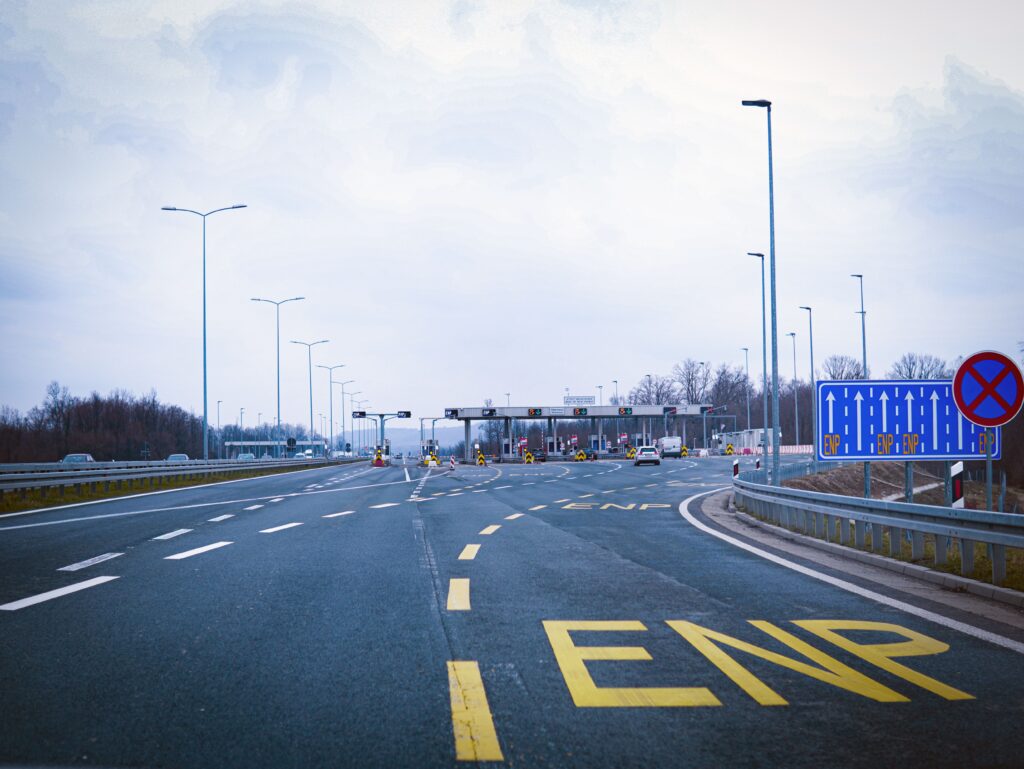
La nivel național, România se orientează către [taxarea rutieră digitală] (hhttps://business-review.eu/business/transport-and-logistics/eltra-logis-the-new-tollro-road-charging-system-can-be-a-catalyst-for-fleet-renewal-285636). Noul sistem TollRO - a cărui lansare este planificată pentru 2026 - va înlocui actuala vinieta electronică cu un model de taxare bazat pe distanță și sensibil la emisii, în conformitate cu directivele UE. Această schimbare ar putea încuraja flotele mai puțin poluante și ar oferi o tarifare mai echitabilă pentru operatorii logistici care investesc în vehicule cu emisii reduse.

Pentru șoferi, aceasta înseamnă mai puține întârzieri, informații mai clare în timp real și condiții de drum mai receptive. Pentru operatori, este o șansă de a proiecta în viitor planificarea flotei, gestionarea rutelor și strategiile de sustenabilitate.

Impactul pentru flote și șoferi

Pentru flote și șoferi, modernizarea României aduce atât beneficii, cât și compromisuri. Poate cel mai important, este probabil să ducă la îmbunătățirea eficienței rețelei. Cu rute mai ușoare și coridoare mai rapide, investițiile sunt susceptibile de a reduce timpii de călătorie și mersul în gol. Drumurile naționale periculoase cu o singură bandă vor fi înlocuite treptat cu autostrăzi mai sigure și mai rapide. Acest lucru va crește productivitatea și va reduce, de asemenea, timpul petrecut de șoferi la volan.

Cu toate acestea, nu totul este pozitiv. Lucrările în curs de desfășurare pe autostrăzi precum A7 și A8 pot cauza întârzieri și modificări de traseu în timpul lucrărilor. De asemenea, ar putea însemna o creștere a volumului de mărfuri (în special la Constanța și la punctele de trecere a frontierei), ceea ce ar putea supune la presiune infrastructura existentă.

"În momentul de față, zone de construcție precum DN2 și părți din șoseaua de centură A0 București provoacă devieri și blocaje", explică Ularu. "Camioanele pierd ore întregi pe rute care ar trebui să dureze câteva minute - iar acest lucru afectează totul, de la bugetele de combustibil la fiabilitatea livrărilor."

În plus, noile coridoare, normele de siguranță mai stricte și schimbarea taxelor de utilizare a drumurilor necesită o atenție sporită în ceea ce privește conformitatea.

Sprijinirea bunăstării conducătorilor auto în timpul tranziției

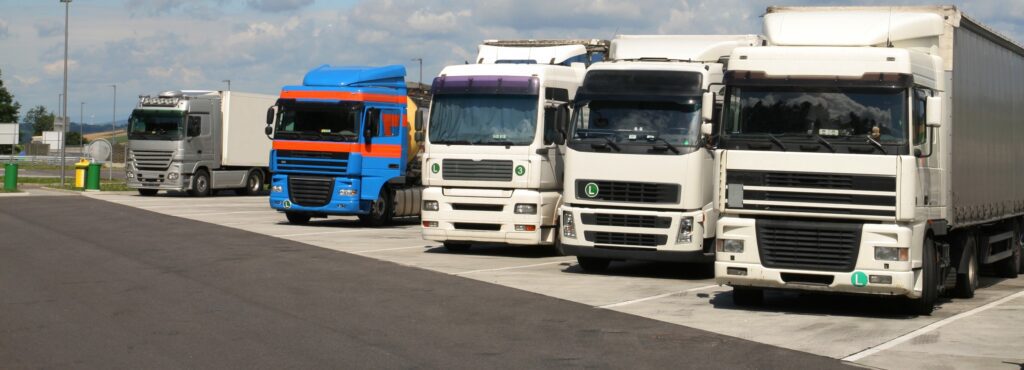
În ciuda progreselor înregistrate la nivelul infrastructurii, parcările de odihnă sigure și facilitățile de bunăstare rămân lacunare pe unele coridoare de transport de marfă, în special în apropierea zonelor de frontieră și a marilor noduri. Zonele de construcție nu dispun adesea de zone de așteptare oficiale, lăsând șoferii expuși și fără locuri de odihnă.

"Încă mai vedem opriri periculoase și zone de staționare supraaglomerate pe rutele cheie de transport de marfă", spune Eduard. "Autostrăzile moderne vor aduce zone de servicii și de odihnă dedicate la fiecare 30-50 de kilometri, dotate cu stații de alimentare, magazine și restaurante. Pentru șoferi, acest lucru înseamnă locuri de parcare mai sigure, cu iluminare adecvată, supraveghere CCTV și zone de odihnă sigure care reduc riscul de furt. Facilitățile sanitare precum dușurile și toaletele curate - o raritate pe drumurile naționale - vor deveni în sfârșit o normă."

SNAP abordează această lacună prin intermediul hărții sale interactive a parcărilor din România. Șoferii pot localiza cu ușurință parcări sigure și de încredere pentru camioane, pot rezerva locuri în avans, acolo unde sunt disponibile, și pot planifica rute mai sigure prin intermediul hărții SNAP.

Planificați o călătorie prin România? Folosiți harta SNAP pentru a găsi parcări sigure, adaptate șoferilor, de-a lungul rutelor cheie de transport de marfă.

Aspectul durabilității

Acest proces de modernizare a infrastructurii joacă, de asemenea, un rol-cheie în facilitarea unei logistici mai ecologice. Cu un flux mai bun al traficului, vor exista niveluri mai scăzute de emisii cauzate de vehiculele inactive și de condusul în regim stop-start.

De asemenea, vor fi modernizate coridoarele de transport pentru a sprijini noile infrastructuri de realimentare cu hidrogen și vehicule electrice, reducând astfel dependența de combustibilii fosili.

O regiune în mișcare

Investițiile în infrastructură din România marchează o schimbare fundamentală pentru transportul de marfă și mobilitatea în Europa de Sud-Est. Pentru flote, acest lucru se traduce prin coridoare mai rapide, o capacitate logistică mai mare și volume mai mari de comerț, dar și o examinare mai atentă a bunăstării, conformității și rezilienței.

În calitate de lider al industriei orientat spre viitor, SNAP pledează pentru operațiuni bine informate, planificare flexibilă a rutelor și instrumente orientate către șoferi care sprijină atât siguranța, cât și eficiența. România nu numai că se modernizează, ci și remodelează modul în care mărfurile circulă în regiune.

"Nu este vorba doar despre drumuri - este vorba despre reziliență, durabilitate și construirea unui viitor mai inteligent al transportului de marfă în întreaga Europă. România se află chiar în centrul acestei schimbări", afirmă Eduard.

Share to

Alții citesc de asemenea...

Header Image

joi 11 iunie 2026 • Știri și actualizări

CĂLĂTORIILE DE LA CUPA MONDIALĂ VS. REALITATEA TRANSPORTULUI RUTIER DE MARFĂ: MODUL ÎN CARE ȘOFERII DE CAMIOANE DIN EUROPA ACOPERĂ SĂPTĂMÂNAL DISTANȚELE DE LA TURNEU

Lucy Black

When football fans think about the FIFA World Cup, they think about big matches, packed stadiums and long journeys.And in 2026, those journeys will be bigger than ever.The expanded FIFA World Cup will feature 48 teams, 104 matches and 16 host cities spread across the United States, Canada and Mexico. It will be the largest and most geographically dispersed World Cup ever staged.Millions of supporters will travel across North America. Teams will cover thousands of kilometres throughout the tournament. Billions of pounds will be spent. Vast amounts of equipment, merchandise, food, drink and technology will need to be moved between venues.But while football fans focus on the journeys made by players and supporters, there is another group of professionals covering similar distances every month.Europe's truck drivers.In fact, a truck driver in Spain could cover more than 10,000 kilometres in just four weeks. That's comparable to the distance some teams could travel throughout an entire World Cup campaign.There's another important similarity too.Without logistics, there is no World Cup.As , explains:Every match, every fan zone and every broadcast relies on goods being delivered to the right place at the right time. From food and drink to merchandise, security infrastructure and broadcasting equipment, road transport plays a critical role behind the scenes.The reality is simple. While football takes centre stage, logistics makes it possible.The 2026 tournament will create one of the most complex logistics operations ever seen in sport.Unlike previous World Cups hosted in a single country, teams could be travelling thousands of kilometres between fixtures throughout the competition.For players, those journeys will be carefully planned and supported by charter flights, recovery teams and world-class facilities.For truck drivers, covering long distances is simply part of everyday life.Across Europe, drivers move goods between manufacturers, ports, warehouses, retailers and customers every day. They connect supply chains, support businesses and keep economies moving.The scale of logistics required for a global event like the World Cup is enormous.As , explains:Every screen, every item of merchandise, every catering delivery and every piece of technical equipment must arrive exactly where it is needed.The same expertise that helps major sporting events run smoothly is being used every day across Europe's transport networks.A team progressing from the group stages to the final could realistically travel between 8,000 and 15,000 kilometres during the 2026 FIFA World Cup.To put that into perspective, SNAP compared projected World Cup travel distances against the average weekly mileage completed by truck drivers across some of Europe's largest freight markets.The results show that truck drivers across Europe routinely cover World Cup-level distances in as little as four weeks.In Spain, Portugal, the Netherlands and Poland, drivers can cover close to or more than 10,000 kilometres over a month.While football teams travel with dedicated support staff and carefully planned schedules, drivers achieve similar distances while managing delivery deadlines, congestion, border crossings, parking shortages and increasingly complex transport networks.It is a reminder of the scale of modern road freight and the critical role drivers play in keeping supply chains moving.Comparing distances only tells part of the story.Players travel between matches.Drivers travel whilst managing deliveries, navigating road networks, complying with regulations and keeping customers supplied.Every week, millions of tonnes of goods move across Europe, supporting supermarkets, manufacturers, construction projects, healthcare providers and countless other industries.The distances may be similar.The challenges are not.Road freight remains the backbone of European trade.Around 75% of inland freight transport across the European Union is moved by road when measured in tonne-kilometres.Every year, billions of tonnes of goods travel across Europe's road networks.Behind every delivery is a transport operation built on the expertise of drivers, fleet managers and logistics professionals.Major sporting events simply make that reality more visible.The World Cup creates additional demand for food, beverages, merchandise, security equipment and event infrastructure. The pressure on transport networks increases significantly.But for transport operators, managing complex logistics is not a once-every-four-years challenge.It's business as usual.Large sporting events often highlight challenges that fleet operators deal with every day.Research from previous World Cups and Olympic Games has shown that host cities experience increased congestion, higher freight demand and greater pressure on transport infrastructure.During major sporting tournaments, cities often see:Increased congestion Higher demand for food and beverage deliveries Greater pressure on parking facilities Increased demand for security logistics Additional passenger transport requirements More complex route planningAs , points out:He's right.Whether it's food and drink for supporters, retail stock, security infrastructure or broadcast technology, major events place huge demands on logistics networks.For fleet managers, those operational pressures are familiar territory.While football teams rely on coaches, analysts and support staff, supply chains rely on drivers.Yet Europe's transport sector continues to face significant challenges.There is an estimated shortage of around 390,000 secure truck parking spaces across Europe.At the same time, driver shortages remain a major concern across many markets.Without drivers, supply chains stop.Without safe, secure places to rest, attracting and retaining drivers becomes even more difficult.As , explains:It's a simple observation, but it highlights an important truth.Whether it's a major sporting tournament or a normal weekend, drivers are the people making sure shelves stay stocked, businesses stay supplied and customers get what they need.For fleet managers, investing in driver welfare is no longer a nice-to-have.It's a business necessity.Providing access to secure parking, quality facilities and efficient payment solutions helps improve driver satisfaction, supports retention and drives operational efficiency.The biggest lesson from the World Cup isn't about football.It's about preparation.The teams that perform best are supported by planning, logistics and infrastructure that allows them to perform when it matters most.The same applies to transport operations.The fleets best positioned for success are those investing in:Driver welfare Secure truck parking Operational visibility Smarter transport payments Fleet efficiency Transport technology Simplified fleet managementThe journeys completed by football teams during the World Cup may capture the headlines.But they also provide a useful reminder of the distances being covered by Europe's transport industry every single day.From Spain and Portugal to Poland, Romania and the United Kingdom, professional drivers routinely travel extraordinary distances whilst supporting businesses, communities and supply chains across the continent.While the world's best footballers compete on the biggest stage, millions of drivers will continue doing what they do every day: keeping goods moving and economies running.At SNAP, we're proud to support those journeys through smarter transport payments, better access to truck parking and driver facilities, and solutions designed to make life easier for fleets and drivers alike.Because while the World Cup only lasts a few weeks, Europe's transport industry operates at that scale every single day.

Header Image

miercuri 25 martie 2026 • Știri și actualizări

MODUL ÎN CARE SISTEMELE PREDICTIVE ÎMBLÂNZESC INCERTITUDINEA LIVRĂRII

Evelyn Long

Delivery operations rarely unfold exactly as planned. Even the most carefully designed logistics schedules must contend with an unpredictable world. Travel congestion can add hours to a route, severe weather can delay entire regions and a single vehicle breakdown can disrupt dozens of deliveries scheduled throughout the day. When these disruptions occur, they often create a chain reaction that affects drivers, warehouses, customers and operational costs. For companies that operate fleets, whether they deliver packages, medical supplies, food or construction materials, this uncertainty can significantly impact business performance. Missed delivery windows frustrate customers and can damage brand reputation. Delays can also increase fuel costs, overtime pay and operational inefficiencies. In industries where margins are tight, even small disruptions can add up quickly.What makes delivery uncertainty especially challenging is how interconnected modern logistics networks have become. A delay at one point in the system can ripple outward, affecting multiple routes and schedules. Without the right tools to anticipate and manage these disruptions, businesses are often forced to react in real time, which can lead to rushed decisions and inefficient solutions.One of the key technologies helping organisations manage delivery uncertainty is the Internet of Things (IoT). IoT refers to networks of connected devices, such as sensors, GPS trackers and telematics systems, that connect and transmit real-time data from vehicles, equipment and infrastructure. In fleet operations, IoT devices can monitor a wide range of conditions. GPS tracking for vehicles on the road. Engine sensors can track vehicle performance and detect early signs of mechanical issues. Temperature sensors can ensure that sensitive cargo remains within required conditions during transit. Together, these data streams create a detailed picture of what’s happening across an entire delivery network. This level of visibility is essential for managing uncertainty. When managers can see where vehicles are, how they’re performing and whether any issues are developing, they can respond much faster. Instead of discovering a problem hours later, they can address it as soon as the warning signs appear. In many cases, this visibility also feeds into predictive systems that analyse the data and forecast potential disruptions before they occur. While IoT provides the data, AI offers the intelligence needed to interpret it. AI systems analyse large volumes of operational information, including traffic patterns, weather forecasts, vehicle performance metrics, delivery history and route efficiency. By identifying patterns in this data, to occur and recommend adjustments. For example, predictive algorithms can analyse historical traffic conditions along a delivery route and estimate when congestion is likely to occur during certain times of day. If the system detects that a particular route will likely experience delays, it can suggest an alternative path before the driver even leaves the depot. Similarly, AI-driven maintenance systems can analyse engine data and identify early warning signs of mechanical problems, allowing repairs to be scheduled before a breakdown occurs on the road. Predictive systems work best when they combine data from multiple sources and translate that information into actionable insights. In a fleet environment, this often means integrating vehicle telematics, weather data, delivery schedules and live traffic information into a single predictive platform. When all of this data is analysed together, the system early. For example, if a severe storm is forecasted along a delivery route, the network can recommend adjusting departure times or rerouting drivers to avoid affected areas. If sensors detect that a vehicle component is likely to fail soon, it can schedule maintenance during planned downtime rather than allowing a breakdown to disrupt deliveries. Over time, these predictive adjustments make delivery operations smoother and more efficient. Routes become more optimised because the system continually learns from previous trips. Maintenance becomes strategic because vehicles are rather than fixed schedules. Even warehouse operations can improve, since more accurate delivery predictions allow teams to better coordinate loading and unloading processes. Beyond preventing disruptions, predictive systems also help fleets operate more efficiently. Businesses that have access to reliable forecasts and operational insights can plan routes, staffing and vehicle usage with greater precision.For instance, predictive analytics can identify patterns in delivery demand, allowing companies to allocate resources where they’re most needed. If certain routes consistently experience delays during specific hours, schedules can be adjusted to avoid those peak periods. Fuel usage can also be optimised by identifying more efficient routes or driving patterns. Over time, these incremental improvements add up. Vehicles spend less time idling in traffic, drivers spend more time completing deliveries rather than waiting or rerouting, and customers receive more accurate delivery estimates, and satisfaction. Another key benefit of predictive technology is the ability to monitor and control systems remotely. As connected devices become more common, consumers and businesses expect this level of oversight and convenience. A survey found that smart garage door openers consider remote monitoring and control to be a crucial feature. While this statistic relates to residential technology, it highlights a broader shift in expectations. People increasingly value the ability to check on systems, receive alerts and manage operations from anywhere. The same mindset is becoming more important in professional logistics environments. Fleet managers want to see vehicle locations in real time, receive notifications about potential issues and make adjustments without needing to be physically present. Predictive systems support this capability by turning complex operational data into clear, actionable insights that can be assessed remotely. While predictive systems provide clear advantages, they also introduce new considerations that businesses must address. In 2024, the of suspected internet crime. As fleets become more connected and reliant on digital platforms, cybersecurity becomes increasingly important. IoT devices, cloud platforms and AI-driven systems all rely on network connectivity and data exchange. Systems that aren’t properly secured could become targets for cyberattacks. A compromised system could disrupt operations, expose sensitive data or interfere with fleet management tools.Delivery uncertainty may never disappear entirely, but predictive systems are making it far more manageable. By combining IoT connectivity with AI-driven analytics, fleet operators can gain deeper visibility into their operations and anticipate problems before they disrupt schedules. As these technologies continue to evolve, they will play an important role in helping fleet-based businesses reduce uncertainty, streamline operations and deliver a more consistent experience for their customers.Discover more from

Header Image

miercuri 11 martie 2026 • Știri și actualizări

SFATURI PROACTIVE PENTRU SIGURANȚA ȘI PERFORMANȚA FLOTEI ÎN FIECARE SEZON

Guest

Fleet performance rarely unravels overnight. It slips through small oversights — a missed service interval, worn tread or a delayed depot repair. As a UK fleet manager, the cost of reacting late shows up in downtime, higher insurance premiums and risk to your reputation.Your proactive, seasonal strategy protects the vehicles, drivers and infrastructure before temperature-triggered issues escalate. Align maintenance cycles with weather patterns, operational peaks and compliance demands. Your fleet will be steadier, safer on the road and reduce unwelcome surprises.Reactive fleet management costs you more. Emergency repairs can disrupt tight schedules, strain budgets and frustrate even the best drivers. In contrast, effective forward planning can reduce unplanned downtime and extend vehicle life cycles.Predictive maintenance and seasonal checks are strategic in supporting compliance. The Driver and Vehicle Standards Agency can for roadworthiness at any time, not just during the annual inspection. A prevention-first culture demonstrates your team’s due diligence and strengthens your Operator Compliance Risk Score, without warning.Driver retention links closely to this mindset. Vehicles that are reliable in winter, maintain cabin comfort in summer and feel safe in poor weather send a clear message that your organisation values professionalism and safety.Longer daylight hours and increased road activity shift risk profiles. Construction zones expand, cyclists and pedestrians increase and higher temperatures stress mechanical systems.Introduce quarterly automobile network checks before weather changes set in.: Ensure all vehicles’ air conditioning systems operate efficiently. Comfortable drivers remain more alert and calm on long routes and in heavy traffic, while being hot and bothered behind the wheel fosters reckless driving. : Check radiators, coolant levels and hoses. Heat accelerates wear and can trigger overheating if systems run hot due to environmental factors. : Rising temperatures can affect tyre pressure. Confirm correct inflation and inspect for sidewall damage to reduce the risk of blowouts. Hot road surfaces also wear tyre tread more easily, affecting braking capacity. Reinforce safe driving techniques that consider sun glare, roadworks and higher traffic density. Consider installing tinted windshields when drivers face extreme light conditions.Heat amplifies even minor engine weaknesses. Address mechanical safety early, and you'll prevent mid-season breakdowns or disrupted delivery windows.Shorter days, heavy rain and icy surfaces demand that your team is on top of their game. Autumn brings leaves and debris that litter already-slick roadways, and winter compounds the challenge with frost and failing batteries. Prepare before these conditions set in to keep your mobile assets from deteriorating:: Inspect all headlights, brake lights and indicators. Replace worn wipers, top up the windshield washer reservoirs with de-icing chemicals rated for low-temperature use and add anti-freeze to radiators. : Confirm adequate grip depth on all wheels for additional safety on wet and icy roads and consider swapping to winter sets where routes justify the investment. This is also an ideal time to check your fleet’s tyre ages, as no commercial vehicle may be on the road in the UK with ago, which are considered unroadworthy. : Cold weather reduces battery efficiency. Test older units and replace those nearing the end of life. Trickle chargers help maintain truck batteries' charge when drivers must stop to meet their rest requirements. : Low light and adverse weather can trigger anyone's natural sleep instinct, so manage drivers' alertness levels. Review route planning and rest policies to reduce strain or assign two drivers on longer routes.Vehicle readiness supports road safety, yet infrastructure also plays a role. Poor depot lighting, icy yard surfaces or malfunctioning entry points can delay departures and create hazards before trucks even reach public roads.Mobile asset safety starts at the depot. Vehicles often sit for hours in storage yards or warehouses. A compromised facility exposes high-value assets to theft, weather damage and operational delay. Commercial lots or warehouses are vulnerable matter.Rolling doors and access points demand particular attention in the UK’s damp climate. Corrosion frequently begins at exterior door components, affecting guides and structural elements. Over time, degradation can trigger failures that halt departures or compromise security. Noncorrosive rolling doors made with , like stainless steel, provide safety for the fleet’s vehicles and secure valuable manifests at depots.Businesses operating in high-moisture or coastal environments should invest in corrosion-resistant products. Use cleaning agents and lubricants to prevent hinges and mechanisms from seizing up. Functional doors safeguard operations because a primary access door that fails during peak dispatch hours can result in vehicles missing slots and customer confidence slipping. Proactive facility maintenance reduces that risk.Broader property readiness matters, too. Seasonal inspections of drainage, roofing and external lighting strengthen operational continuity at all hours of the day. Thorough winter preparation should prevent structural and water-related damage. Treat your depot as part of the company's mobility ecosystem by securing doors and maintaining clean yard surfaces. Resilient infrastructure protects vehicles before they reach the road.Technology strengthens your seasonal planning. Telematics platforms provide a wealth of information, including identifying braking patterns, fuel efficiency shifts and early warning codes before faults escalate. Advanced driver-assistance systems add further safeguards, particularly in low-visibility conditions.Use AI to help you analyse data and create workflows that meet each season’s changing needs. Data-driven insights inform scheduling. Use analytics to identify recurring battery failures in cold-region trucks or cooling issues during summer peaks. Adjust the fleet's scheduled maintenance according to telematics guidance.Modern trucks with telematics can of data per minute from hundreds of sensors, which is only useful if you have the computing systems to extrapolate findings and trends that inform maintenance and performance schedules.Proactive company asset management evolves beyond checklists. It becomes a continuous improvement process informed by data, temperatures and infrastructure integrity.Seasonal transitions present predictable challenges from heat-stressing engines, cold-draining batteries and moisture corroding structural components. Increased traffic and vehicle use alter risk patterns.Address these variables before they disrupt your team’s operations. Align maintenance cycles with weather trends, reinforce driver training ahead of weather shifts and invest in resilient depot infrastructure.A fleet that anticipates change operates with confidence and performs consistently with improved safety metrics and decreased downtime. Those incremental advantages compound into measurable operational strength.