How Do Fuel Cards Work? A Guide for Truck Fleets

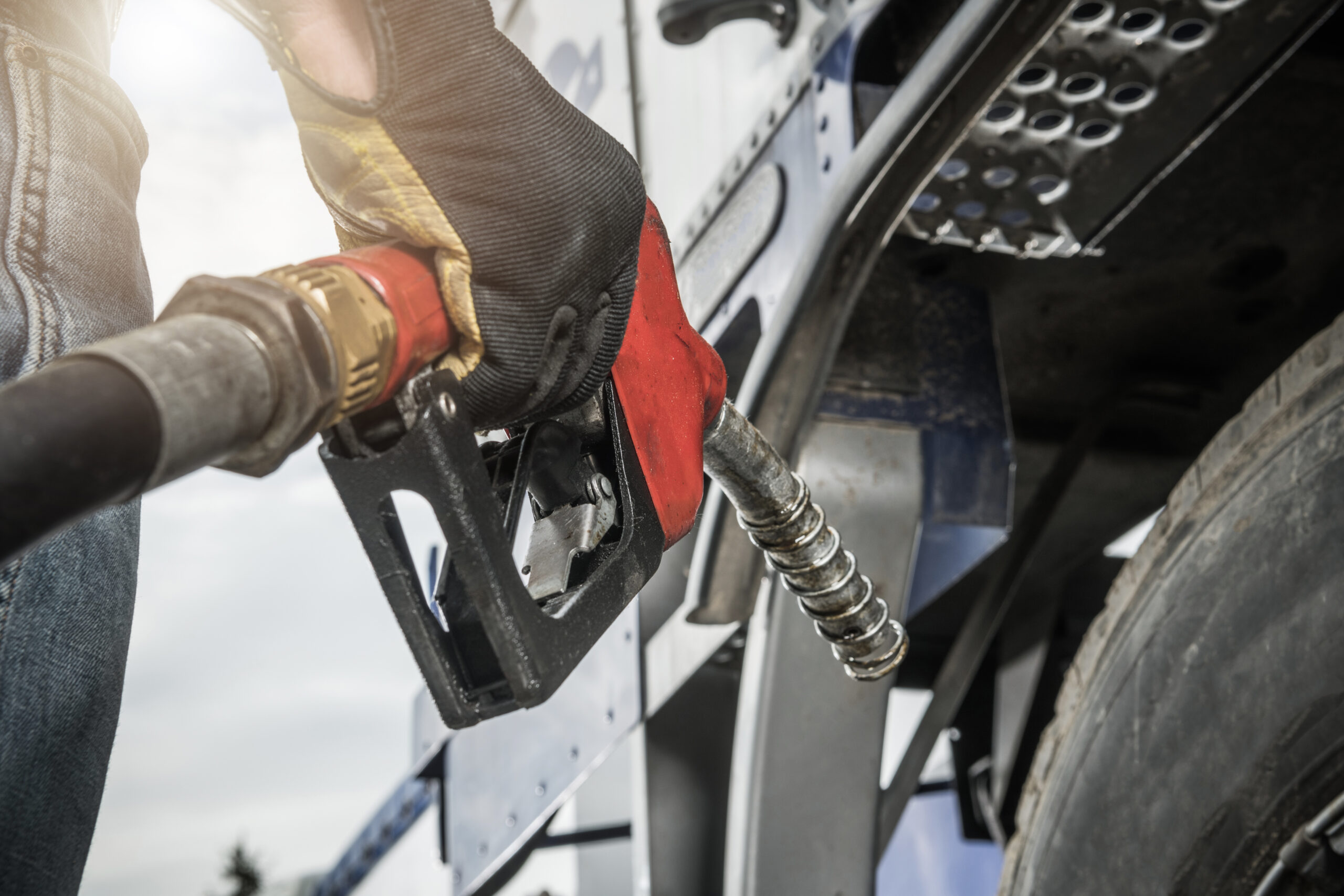
How do fuel cards work? Fuel cards allow businesses to pay for fuel without drivers needing cash or personal bank cards. Instead, drivers use a dedicated card at participating fuel stations, with purchases recorded and billed to the business.
For fleet managers, fuel cards can simplify payments, improve visibility of fuel spending and reduce administration. But how do they work in practice, and are they worth using?
This guide explains everything you need to know about fuel cards, from making your first payment to choosing the right option for your fleet.
What is a fuel card?
A fuel card is a payment card designed specifically for purchasing fuel and, depending on the provider, other vehicle-related products such as AdBlue.
Unlike a standard debit or credit card, a fuel card is usually linked to a business account and can offer features designed for fleet management.
These may include:
-
Centralised invoicing: Bringing multiple fuel purchases together.
-
Transaction reporting: Tracking when, where and how much fuel is purchased.
-
Spending controls: Restricting purchases by product, amount or location where supported.
-
Network access: Allowing drivers to refuel at participating fuel stations.
Fuel cards are used by businesses of all sizes, from operators managing a single commercial vehicle to larger haulage fleets.
How do fuel cards work? Step by step
The process is straightforward, although specific features and payment arrangements vary between providers.
1. Apply for a fuel card
A business first registers with a fuel card provider. Depending on the provider, the application may involve supplying company details and completing a credit assessment.
Once approved, the business receives its fuel cards, which can be assigned to individual drivers or vehicles.
2. Find a participating fuel station
Drivers need to visit a fuel station that accepts their card.
Some fuel cards are accepted across large networks, while others are limited to specific suppliers or locations.
For truck fleets, it’s important to check that the station can accommodate large vehicles and provides the required fuel.
Our guide to finding an HGV fuel station near you explains what drivers should consider when planning refuelling stops.
3. Refuel and pay with the card
At the participating station, the driver fills the vehicle and uses their fuel card to pay.
Depending on the provider, they may need to enter a PIN, vehicle registration or mileage reading to authorise the transaction.
The driver does not usually need to pay using personal funds.
4. Transactions are recorded
Once the purchase is completed, the transaction is recorded by the fuel card provider.
Fleet managers can typically access information such as:
-
Date and location of purchase.
-
Quantity of fuel purchased.
-
Transaction value.
-
Card or vehicle associated with the purchase.
The level of reporting available depends on the provider.
5. The business receives an invoice
Rather than processing individual payments from multiple drivers, the business receives invoices or statements covering its fuel purchases.
Payment is then collected according to the agreed billing terms.
This makes it easier to track fuel expenditure and manage financial records.
What are the benefits of fuel cards for truck fleets?
For businesses operating multiple trucks, fuel cards offer several practical advantages.
Simplified fuel payments
Drivers can purchase fuel without carrying large amounts of cash or using personal payment cards.
This reduces the need for expense claims and makes day-to-day refuelling more convenient.
Better control over fuel spending
Fuel card reporting can help fleet managers understand where their money is going.
By reviewing fuel transactions, businesses can identify unusual spending patterns, monitor fuel costs and improve budgeting.
Some providers also offer purchase restrictions and spending limits to help reduce unauthorised transactions.
Less administration
Managing fuel receipts from multiple drivers can be time-consuming.
Fuel cards can consolidate purchases into fewer invoices, reducing paperwork and simplifying reconciliation.
For businesses managing large truck fleets, this can make routine administration more manageable.
Potential fuel cost savings
Some fuel card providers offer negotiated fuel prices or discounts through participating networks.
However, savings are not guaranteed. The actual cost depends on fuel prices, transaction fees, network coverage and the provider’s pricing structure.
Fleet managers should compare the total cost rather than focusing on advertised discounts alone.
Fuel cards vs debit and credit cards
Both options allow drivers to pay for fuel, but fuel cards provide additional features specifically designed for business refuelling.
| Feature | Fuel card | Debit or credit card |
|---|---|---|
| Fuel purchases | Participating network | Wherever the bank card is accepted |
| Centralised fuel invoicing | Usually available | Not usually fuel-specific |
| Fuel transaction reporting | Often detailed | Standard payment records |
| Spending restrictions | Often available | Depends on card provider |
| Fuel pricing | May offer negotiated rates | Usually pump price |
| Fees | Provider-dependent | Depends on banking arrangement |
For businesses with several vehicles, the reporting and invoicing features of fuel cards may be particularly useful.
However, a conventional business bank card may still suit smaller operators with limited refuelling requirements.
How do you choose the right fuel card for your fleet?
Not every fuel card offers the same benefits. Before choosing a provider, consider the following factors.
Fuel station coverage
Does the card provide access to suitable fuel stations along your regular routes? For truck operators, network coverage and vehicle accessibility are particularly important.
Fuel pricing and fees
Compare the actual price of fuel, any transaction charges, card fees and other costs. A discounted fuel rate does not automatically mean a cheaper overall service.
Payment terms
Check how frequently invoices are issued, when payments are collected and whether credit arrangements are available.
Reporting and administration
Consider whether the provider offers the transaction information your business needs to monitor fuel expenditure.
International requirements
If your fleet operates across multiple countries, check which countries and networks accept the card. Not all fuel cards offer international coverage.
How does SNAP Refuelling work?
SNAP Refuelling helps truck fleets manage fuel purchases through a dedicated fuel card solution.
Our refuelling solution gives fleets and drivers a smarter way to manage fuel purchases. With access to the UK Fuels network through SNAP, refuelling becomes simpler to manage, with transparent pricing and straightforward payment options.
With SNAP Refuelling, fleet operators can benefit from:
-
UK fuel network access: Refuel at participating UK Fuels locations.
-
Transparent costs: Clear information about fuel pricing and billing.
-
No usage commitments: Greater flexibility over how frequently your fleet refuels.
Designed to give you greater flexibility, our fuel solution has no usage commitments or new card fees, making it easier to control fuel costs while paying only for what you need.
Frequently asked questions about fuel cards
Can you use a fuel card at any petrol station?
No. Fuel cards are only accepted at participating locations within the provider’s network. Always check acceptance before travelling to a fuel station.
Are fuel cards cheaper than paying by debit card?
They can be, particularly when providers offer competitive fuel pricing. However, savings depend on the provider, fuel prices and applicable fees. Compare the total cost before choosing a card.
Can small businesses use fuel cards?
Yes. Fuel cards are available to businesses operating a single vehicle as well as larger fleets. Eligibility and credit requirements vary between providers.
Can fuel cards be used abroad?
Some fuel cards offer international coverage, while others operate within specific countries. Check your provider’s accepted network before planning cross-border journeys.
Do fuel cards have spending limits?
Many providers offer spending controls, such as transaction limits or restrictions on permitted purchases. Available controls vary depending on the card and account arrangement.
Make fleet refuelling easier with SNAP
Fuel cards can make a real difference to the way businesses manage fuel purchases, helping reduce administration, improve spending visibility and simplify payments for drivers.
For truck fleets, choosing the right provider means considering network coverage, fuel pricing and how easily the service fits into everyday operations.
With SNAP Refuelling, businesses can access a trusted UK fuel network through a dedicated fuel card solution.
Discover SNAP Refuelling
Find out how SNAP can help your fleet manage fuel purchases more efficiently.