Guest
Naujienos ir atnaujinimai • 3 min perskaityti

Sunkvežimių tendencijos: 2026 m. prognozės

Sukurta: 08-12-2025

Atnaujinta: 08-12-2025

Mobilumo sektoriuje laukia dideli pokyčiai.

Per ateinančius 12 mėnesių Europos transporto sektoriuje įvyks vieni svarbiausių reguliavimo ir technologinių pokyčių per pastaruosius metus. Naujos išmetamųjų teršalų taisyklės, vairuotojų stebėjimo sistemos, vandenilio bandymai ir autonominių transporto priemonių bandomieji projektai pakeis automobilių parkų veiklą visoje Jungtinėje Karalystėje ir ES.

Jei operatoriai ir profesionalūs vairuotojai dabar supras šiuos pokyčius, tai bus skirtumas tarp to, ar prisitaikyti užtikrintai, ar sunkiai suspėti.

Reguliavimo revoliucija

2026 m. įsigalios Euro VII išmetamųjų teršalų standartai, kuriais nustatomi nauji reikalavimai transporto priemonių parkams. Azoto oksido ir anglies monoksido ribinės vertės bus dar labiau sugriežtintos, o leistinas dalelių dydis sumažės nuo 23 nanometrų iki 10. Be to, taisyklės pirmą kartą bus taikomos padangų ir stabdžių išmetamiems teršalams.

Kiekvienas parduodamas naujas sunkvežimis turės atitikti "Euro VII" reikalavimus. Nors transporto priemonių kainodara greičiausiai bus paveikta, didesnis poveikis bus daromas viešųjų pirkimų terminams, automobilių parko atnaujinimo ciklams ir ilgalaikiam anglies dioksido išmetimo mažinimui.

Bendrasis saugos reglamentas (BSR)

Iki 2026 m. liepos mėn. visuose naujuose sunkvežimiuose turi būti įrengtos dėmesio atitraukimo atpažinimo sistemos. Šios sistemos stebi akių ir galvos judesius, kad būtų galima anksti nustatyti nuovargio ar neatidumo požymius, taip sudarant galimybę imtis saugesnių intervencijų ir įgyvendinant eismo įvykių mažinimo tikslus visoje Europoje.

Tiesioginio matymo standartai

Tiesioginio matymo standartai (DVS) pradėti diegti 2025 m.. Iki 2029 m. naujų kabinų konstrukcijose aklosios zonos turi būti sumažintos iki minimumo dėl geresnio matomumo per stiklą, o ne dėl kamerų priklausomybės. Tai turės ypatingos įtakos veiklai miestuose, pažeidžiamų eismo dalyvių saugumui ir būsimų transporto priemonių specifikacijoms.

Tachografo pakeitimai

Nuo 2026 m. liepos 1 d. 2,5-3,5 t sveriančiuose mikroautobusuose, kuriais vykdomas tarptautinis vežimas, turi būti sumontuoti išmanieji tachografai. Po daugelį metų galiojusios išimties šiuo pakeitimu mažesnėms komercinėms transporto priemonėms iš esmės pradedamas taikyti visiškas vairuotojų darbo valandų režimas.

Mišrius transporto priemonių parkus turintiems operatoriams tai reiškia, kad reikia įvesti:

● naujos vairuotojo kortelės

● reguliariai atsisiunčiami duomenys

● atnaujinti stebėsenos procesai

● patikslintas maršrutų ir poilsio laiko planavimas

Tūkstančiams transporto priemonių, kurios iki šiol buvo eksploatuojamos laisvai, reikės beveik iš karto įdiegti atitikties sistemas.

CSRD duomenų reikalavimai

Įmonių tvarumo atskaitomybės direktyva reikalauja, kad įmonės, kuriose dirba daugiau nei 250 darbuotojų arba kurių pajamos viršija 40 mln. eurų, rinktų ir teiktų patikrintas išmetamo CO₂ kiekio ataskaitas, įskaitant transporto veiklos 3 sritį.

Tai pasklis per tiekimo grandines. Mažesni vežėjai, neteikiantys patikimų ataskaitų apie išmetamųjų teršalų kiekį, rizikuoja prarasti galimybę sudaryti didesnes sutartis, o tai skatina siekti geresnių duomenų sistemų ir standartizuoto ataskaitų teikimo.
Kuro perėjimas spartėja

Elektriniai sunkvežimiai

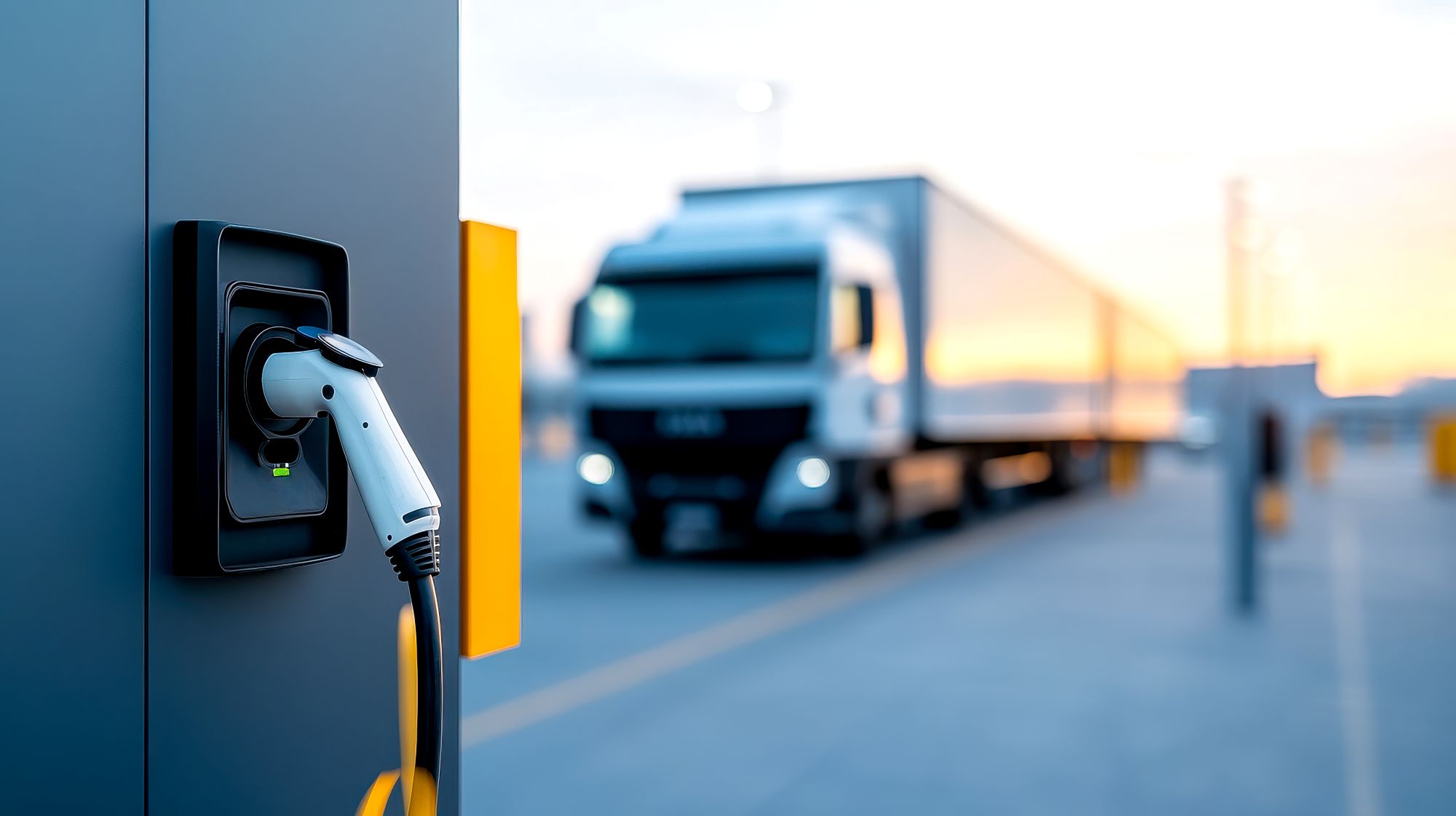
2026 m. sparčiai didės elektrinių sunkiasvorių sunkvežimių gamyba. DAF, "Mercedes", "Scania" ir MAN plečia gamybos pajėgumus.

Tam taip pat plečiasi elektros įkrovimo sistema. [BP Pulse planuoja megavatų galios sunkiasvorių sunkvežimių įkrovimo stoteles visoje Europoje, kurios bus įrengtos nuo 2026 m.] (https://www.adrianflux.co.uk/blog/2024/05/hydrogen-vs-electric-trucks/) [o Lenkija daug investuoja į naujas sunkiasvorių sunkvežimių įkrovimo stoteles TEN-T tinkle] (https://snapacc.com/newsroom/poland-accelerates-the-shift-to-zero-emission-haulage/).

Vandenilio diegimas įsibėgėja

2026 m. I ketvirtį pradės veikti pirmasis JK vandenilio kuro elementų sunkvežimis "Scania", kuris yra HyHAUL M4 koridoriaus projekto dalis. Bandomąjį projektą remia trys degalų papildymo stotys, kurių kiekviena kasdien tiekia iki dviejų tonų vandenilio. Jei projektas bus sėkmingas, siekiama, kad iki 2026 m. pabaigos važinėtų 30 sunkvežimių, o iki 2030 m. - 300 sunkvežimių.

Be to, 2026 m. pradžioje bus atidaryta pirmoji "Aegis Energy" vandenilio stotis Jungtinėje Karalystėje. Iki 2027 m. bus įrengtos dar penkios.

Transporto priemonių gamintojai, kurdami vandeniliu varomus sunkvežimius, laikosi skirtingų požiūrių:

● [2026 m. "Volvo" pradės vandenilio vidaus degimo variklių bandymus] (https://www.volvotrucks.com/en-en/news-stories/press-releases/2024/may/Volvo-to-launch-hydrogen-powered-trucks.html) MAN ir DAF planuoja panašias sistemas.

Toyota 2026 m. pristatys naujos kartos vandenilio kuro elementų sistemą, kuri bus ilgaamžiškesnė ir mažiau kainuos.

HVO augimas

2026 m. hidrintu būdu apdorotas augalinis aliejus (HVO) tampa svarbiu pereinamojo laikotarpio kuru krovininiam transportui dėl dviejų veiksnių: griežtesnių biodegalų reikalavimų šiaurės vakarų Europoje ir suderinamumo su esamais dyzeliniais varikliais.

"Zemo Partnership" (https://www.zemo.org.uk/assets/reports/DecarbonisingHeavyDutyVehiclesandMachineryZemo_Nov2022.pdf) ataskaitose patvirtinama, kad HVO yra "drop-in" degalai: juos galima naudoti daugelyje esamų sunkiasvorių transporto priemonių, nekeičiant variklio ar infrastruktūros, todėl operatoriai turi praktinę galimybę nedelsiant sumažinti CO₂.

Tuo tarpu Argus Media analitikai prognozuoja, kad 2026 m. HVO suvartojimas gali pasiekti rekordines aukštumas. Vien Vokietijai gali prireikti papildomų 1,5 mln. tonų - beveik keturis kartus daugiau nei 2025 m., kad būtų patenkinta paklausa.

Nors, palyginti su akumuliatoriniais elektriniais ar vandeniliniais alternatyviais varikliais, jų paplitimas tebėra nedidelis, dėl dabartinio reguliavimo ir infrastruktūros suderinamumo HVO 2026 m. greičiausiai taps vis populiaresnis.

Atvyksta autonominė technologija

Nuo 2026 m. pavasario Jungtinėje Karalystėje kontroliuojamose zonose bus leidžiama pilotuoti savaeiges transporto priemones be saugaus vairuotojo - visa savaite anksčiau nei planuota. Šis perėjimas, įgalintas JK automatizuotų transporto priemonių įstatymu, remia pramonę, kuri, kaip tikimasi, iki 2035 m. į JK ekonomiką įneš 42 mlrd. svarų sterlingų ir sukurs apie 38 000 darbo vietų.

Nuo jų nedaug atsilieka Vokietija. [Motor Ai siekia, kad iki 2026 m. keliuose pradėtų važinėti bepilotės transporto priemonės] (https://www.iotworldtoday.com/transportation-logistics/driverless-cars-planned-for-european-roads-in-2026), kuriai skirta 20 mln. eurų pradinio finansavimo.

Šiaurės Europoje MODI toliau bando autonominį krovinių vežimą 1200 km ilgio Roterdamo-Oslo koridoriumi. Programa tęsis iki 2026 m. kovo mėn. ir jos metu bus tiriama, kaip autonominės transporto priemonės veikia įvairiose šalyse, skirtingo tipo vietovėse ir logistikos centruose.

Švedijoje autonominiai elektriniai sunkvežimiai Einride jau veža prekes iš vieno sandėlio į kitą, apdorodami penkis milijonus duomenų taškų per sekundę. Jų kontroliuojamas diegimas demonstruoja automatizavimo galimybes nuspėjamuose, pasikartojančiuose maršrutuose.

Nepaisant šios pažangos, žmonėms ir toliau teks pagrindinis vaidmuo. [Europoje iki 2028 m. vis dar reikia įdarbinti 745 000 papildomų vairuotojų] (https://www.innovationnewsnetwork.com/self-driving-trucks-en-route-to-transform-europes-freight-sector/58466/). Taigi, nors automatizavimas padės atlikti tam tikras funkcijas, pavyzdžiui, uosto operacijas, sandėlių pervežimus ir fiksuotus miesto maršrutus, tolimojo ir sudėtingo tarptautinio transporto srityje ir toliau dirbs žmonės.

artėja 2026 m.

2026 m. įvyksiančių pokyčių mastas ir greitis Europos kelių transportui neprilygsta jokiems ankstesniems metams. Vienu metu įvyks daugybė reguliavimo, technologinių ir tvarumo pokyčių, kurie pakeis automobilių parkų veiklą tarpvalstybiniu mastu.

"2026 m. sėkmingai dirbs ne tie operatoriai, kurie priešinasi pokyčiams, o tie, kurie sistemingai jiems ruošiasi", - sako Nickas Longas, SNAP Europos strateginės partnerystės ir plėtros vadovas. "Dirbame su automobilių parkais visoje Europoje, kad sukurtume infrastruktūrą, kurios reikia ateities pramonei. Saugi automobilių stovėjimo aikštelė. Integruoti mokėjimai naujose rinkliavų struktūrose. Sėkmės sudedamosios dalys jau dabar yra prieinamos tiems, kurie pasirengę jomis naudotis."

SNAP padeda automobilių parkams pasiruošti ateičiai ir siūlo integruotus automobilių stovėjimo aikštelių, mokėjimų ir automobilių parkų valdymo sprendimus visoje Europoje. Apsilankykite svetainėje snapacc.com ir sužinokite, kaip galime padėti jums pereiti prie 2026 m. ir vėlesnių metų.
Dalytis su

Kiti taip pat skaito...

Header Image

ketvirtadienis 04 gruodžio 2025 • Naujienos ir atnaujinimai

UŽTIKRINKITE SKLANDŲ SAVO AUTOMOBILIŲ PARKO VEIKIMĄ ATOSTOGŲ SEZONO METU.

Guest

As the holiday season approaches, you are likely preparing for a surge in delivery demand and more complex operating conditions. This seasonal pressure overlaps with winter weather challenges, creating a unique risk environment for fleets across the UK. The festive period brings extra stress to your vehicles and operations. From consumer-driven surges in mileage to the impact of cold weather on vehicle performance, several seasonal factors converge at once. Understanding these pressures up-front helps you prepare proactively and minimise disruptions across your fleet.Consumer activity , which increases delivery volumes, compresses schedules and raises service expectations. This surge means that even minor disruptions can escalate quickly, as fleets have less flexibility to absorb delays. With more journeys scheduled and tighter handover times, vehicle downtime becomes more costly. A missed inspection or delayed repair can have a much larger operational impact than during other parts of the year.When peak consumer activity overlaps with hazardous weather, fleets experience amplified risk. Traffic congestion increases, road conditions deteriorate and minor mechanical problems can escalate into serious incidents more easily. To combat these issues, you must strengthen preventive maintenance, adjust schedules, and improve real-time monitoring to prevent avoidable breakdowns or delays.Cold temperatures, icy surfaces and reduced daylight all increase mechanical and on-road risks for commercial vehicles, raising the likelihood of weakened batteries, reduced tyre traction and visibility issues. UK roadworthiness standards emphasise the importance of more robust winter maintenance for brakes, lighting, fluids and tyres as conditions deteriorate, reinforcing why winter readiness is essential for uninterrupted fleet operations. Even mild cold , making proactive winter maintenance crucial.Beyond vehicle strain, the holiday season and winter conditions also place pressure on drivers and operational workflows. Increased traffic, unpredictable weather and tighter delivery windows can lead to fatigue, stress and an increased risk of accidents. Careful scheduling, clear communication and proactive support for drivers are essential to maintain safety and ensure that your fleet continues to operate efficiently under these seasonal pressures.Maintaining steady operations during the festive rush requires more than reactive problem-solving. It necessitates deliberate planning across vehicle maintenance, driver readiness, technology utilisation and operational coordination. These streamlined strategies will help you stay ahead of winter season disruptions and maintain consistent fleet performance throughout the holidays.Seasonal demand often requires vehicles to operate in harsher conditions for longer hours, so front-loading maintenance is one of the most effective ways to prevent in-season breakdowns. In construction, downtime can cost , highlighting the importance of proactive upkeep. Focus on winter-critical systems such as batteries, brakes, heating and defrosting systems, tyres, and fluid levels. Addressing minor issues before the holiday rush ensures your vehicles start the season in top condition and reduces the risk of unscheduled downtime when capacity is at its tightest.Drivers face greater pressure during the festive period, from congested roads to unpredictable weather. Preparing them early helps reduce risk and maintain service reliability. Share updated winter driving protocols, reinforce fatigue management best practices and ensure every vehicle carries essential cold-weather equipment. A well-prepared driver can adapt more effectively to seasonal hazards and keep journeys running safely.Access to parts and repair support becomes more challenging during the holidays due to demand spikes and supplier slowdowns. Securing key components in advance and confirming the availability of a repair shop ensures you can respond quickly to mid-season issues. These steps reduce the likelihood of lengthy delays and keep more of your vehicles on the road during peak workloads.Accurate, real-time insights become even more valuable when weather and traffic conditions can change quickly. Telematics systems, identify emerging vehicle issues and adapt routes proactively. Using data to make same-day decisions — whether rerouting, rescheduling or escalating maintenance — helps your fleet stay responsive throughout the holiday period.Seasonal peaks require tighter alignment across dispatchers, drivers, maintenance teams and customers. Clear communication reduces uncertainty and makes it easier to adjust schedules when conditions shift. Share regular updates about weather alerts, route changes, delivery windows and vehicle availability so everyone stays coordinated and able to respond quickly.Even with strong preparation, winter introduces variables that no fleet can fully control. Creating contingency plans provides your team with a structured response in the event of incidents. Establish backup routes, identify alternative suppliers and workshops, and maintain a reserve vehicle strategy where possible. Planning for disruption ensures that unexpected issues don’t halt operations entirely.Use this checklist to make sure your team, vehicles and workflows are ready for the busiest stretch of the year:● Review historical traffic data and expected holiday congestion to build more efficient routing. Tools that monitor and report real-time conditions help reduce delays and fuel waste.● Check batteries, fluids, tyres, wipers and heating systems to prevent cold-weather breakdowns and improve driver safety.● Conduct brief refresher sessions on winter driving techniques, fatigue management and emergency protocols. This supports both safety and productivity.● Holiday mileage and cold temps can accelerate wear. A tighter maintenance schedule helps catch issues before they result in downtime.● Ensure that asset trackers and sensors are fully functional for accurate location and condition data during peak demand.● Many suppliers operate on reduced hours during the holidays. Secure parts and consumables in advance to avoid repair delays.Holiday and winter conditions amplify every small inefficiency. Preparing early helps prevent avoidable downtime, strengthens driver safety and keeps your operations moving through the toughest time of the year. With precise planning, reliable tools and a proactive maintenance rhythm, fleets can turn seasonal challenges into opportunities for better performance and customer satisfaction.Discover more from

Header Image

antradienis 25 lapkričio 2025 • Naujienos ir atnaujinimai

LENKIJA SPARČIAU PEREINA PRIE NULINĖS TARŠOS KROVINIŲ VEŽIMO

Guest

Poland’s transportation sector is undergoing a major transformation. In recent months, the government has introduced a series of high-value funding programmes aimed at decarbonising the country’s road network and logistics operations. Much of this activity focuses on infrastructure related to heavy-duty vehicles – a sign that the transition to cleaner freight is being embraced across Europe.The scale of investment – and the speed at which it's happening – will be important for operators, managers and infrastructure planners right across Europe. To understand why, it helps to look at both the wider European context and the specific funding available in Poland.The move towards lowand zero-emission transport has been gathering pace across Europe for several years. The EU’s package and to cut emissions from heavy-duty vehicles by 45% by 2030 and by 90% by 2040. The (AFIR) also states that there must be high-power charging points for heavy vehicles every 60 kilometres along the Trans-European Transport Network (TEN-T) – a system of European roads, railways, ports and airports that forms the backbone of continental freight – by 2030. Hydrogen refuelling stations must be available every 200 kilometres.The UK is following a similar path. Z are being used to test electric and hydrogen HGVs on long-haul routes, while funding is being allocated to depot charging and refuelling infrastructure.Against this backdrop, Poland’s programme shows that Central and Eastern Europe are ready to take a leading role in building cleaner, better-connected transportation.In March 2025, Poland’s (NFOŚiGW) launched two major funding calls worth a combined PLN 2 billion. The first will cover the construction and expansion of power grids that supply high-capacity charging stations, especially those on the TEN-T. It covers both grid expansion and the installation of new connections. This will mean that the network can deliver the energy needed for rapid truck charging. Energy and grid operators can apply for grants if their projects meet minimum power thresholds. The second funding call supports the construction of heavy-vehicle charging stations themselves. The aim is to create 550 publicly accessible points across the country, serving both electric and hydrogen trucks. A final programme, which launched in Q2 2025, gives grants and loans to businesses so they can buy or lease zero-emission trucks in categories N2 and N3. Category N2 covers vehicles with a gross weight between 3.5 and 12 tonnes, while N3 applies to trucks over 12 tonnes. Funding levels range from 30 to 60 per cent, depending on company size. Upper limits of PLN 400,000 apply to N2 vehicles and PLN 750,000 to N3 models. Applications will be , so operators can plan their transition to zero-emission vehicles. These investments sit alongside Poland’s existing programme, which subsidises electric car purchases for individuals and companies, further extending the country’s sustainable transport strategy beyond passenger vehicles.According to the , Poland transports more goods by road than any other EU country. It is a natural gateway between Western Europe and the Baltic States, Ukraine and the Balkans, which means a reliable zero-emission infrastructure in Poland will have a Europe-wide impact.By setting clear power requirements and aligning projects with the TEN-T corridors, the government is ensuring a coordinated approach rather than isolated projects. The goal is a dependable network where electric and hydrogen trucks can move freely along key trade routes. The Deputy Minister for Climate and Environment described the programme as a way to strengthen “the competitiveness of Polish freight operators” while cutting emissions from one of the country’s largest economic sectors.Poland’s domestic network is also part of the wider . A total of nine EU countries – including Poland – committed in September 2025 to accelerate charging infrastructure deployment along key freight routes, such as the North Sea-Baltic and Scandinavian-Mediterranean corridors of the TEN-T.For fleets that operate across Europe, the initiative means charging infrastructure will become more standardised and predictable between countries. This will help drivers plan cross-border routes with greater confidence while supporting the shift towards zero-emission freight.For fleet operators, the timing is encouraging. Zero-emission trucks are rapidly , with sales of nearly 2,000 zero-emission heavy-duty electric trucks registered in the first half of 2025 across the EU. There are challenges, however. Adding high-power charging capacity will mean that grid operators, local authorities and logistics centres have to cooperate. It will also take time to hire technicians with the skills to install and maintain high-voltage equipment.In addition, vehicle costs and operational factors could also slow progress. Even with generous subsidies, businesses must weigh the cost of electric vehicle ownership, route patterns and depot readiness.For the road transport community, Poland’s programme is a significant milestone. Once complete, its charging and refuelling network will connect eastern and western Europe, supporting cleaner and more efficient freight movement.“This is a turning point for heavy transport,” says Nick Renton, Head of European Strategy and Business Development at SNAP. “Poland’s actions show that zero-emission freight is becoming part of daily life, rather than a long-term vision. As charging and refuelling points multiply, operators will be able to schedule cleaner journeys with confidence.”As the situation develops, we will continue to support fleets across Europe with technology, insight and practical tools for drivers. Our helps identify and book rest stops, refuelling points and secure parking, with more zero-emission facilities being added as new sites open. For operators looking to stay ahead of infrastructure changes, it provides a clear view of how the road network is evolving – and where new opportunities are emerging.

Header Image

ketvirtadienis 30 spalio 2025 • Naujienos ir atnaujinimai

RACIONALIZUOTI AUTOMOBILIŲ PARKO OPERACIJAS: FET LOGISTICS" MOMENTINĖ ISTORIJA

Susie Jones

Located in Colnbrook, Berkshire, is a family-owned and family-run company specialising in the transportation of pharmaceutical products.The company originated from humble beginnings in 1984 when Frederick Woolley produced a service that was second to none in the secure logistics industry his very own tracking system, the best on the market, which left companies knocking on his door to transport their goods safely throughout Europe. In 1999, FET entered the world of pharmaceutical transportation, with Frederick taking on a partner, his son-in-law, Harry Hughes. From there, the business has gone from strength to strength, becoming one of the best pharmaceutical logistics companies in the UK. We sit down with Managing Director, Harry, to discuss what it's like running a fleet across Europe and how SNAP has helped ease processes."We focus on transporting high-value, high-consequence goods, white glove deliveries, and hospital deliveries. We're often in mainland Europe pretty much every day, from Northern Ireland all the way down to Spain, Italy, and even Greece."Transporting high-value goods comes with the added pressure to ensure your drivers park in safe and secure areas. For Harry, his drivers must have access to a wide network of truck stops across Europe, complete with details regarding security features something SNAP can deliver through its and Transporting high-consequence goods also brings additional challenges, as Harry explains:"We have the same challenges as everyone else in the supply chain, but you're adding temperature as well. That's another critical requirement. Whether it be a dry ice box that's got a life of 72 hours, or you need to keep that van completely at the right temperature throughout its journey. If the truck or van has to park up overnight, we need to ensure that the temperature is being monitored through the night as well."TAPA EMEA's TSR regulations have been developed by the industry, for the industry. The standard protects products transported by road and aims to ensure the safety of drivers, vehicles, and cargo. As TAPA UK Lead, Harry knows the importance and the benefits of transporting goods under TAPA TSR."We outsource to an external monitoring company for some of the delicate loads being transported under TSR. This means they will monitor the load for the route and geofence it if it deviates. They're checking in with the driver and also checking that it's parked at the right location from the route risk assessment we've uploaded to the monitoring company."These standards give drivers, fleet operators, and customers peace of mind that their cargo will be transported safely. And Harry has peace of mind when these journeys utilise SNAP's vast network of truck stops across Europe."You know that if you go to a SNAP site, you're going to get a decent site."Driver welfare remains a critical topic within the mobility industry, and for fleets like Harry's, ensuring their drivers are looked after while on the road remains vital. We asked Harry what offerings truck stops must provide to those on the road regularly:"I think the drivers just want some decent facilities. If they've got a shower, toilet, and a hot meal, they're generally happy." He also notes that it's not a one-size-fits-all, "they've all got different requirements. Some of them want to go to sites with a fancy restaurant, and some of them are just happy with a burger and chips. I think if the basics are there of clean facilities, hot and cold food, and showers, that's the main thing."Truck stops are already in high demand, and the most popular ones, offering the right facilities and security requirements, tend to fill up early in the evening. This often forces drivers to park in unsafe areas, a challenge that's expected to grow even more significant when SNAP not only simplifies life for fleet managers but also delivers a seamless parking experience for drivers. This leads to increased convenience and satisfaction on the road, while enhancing efficiency and streamlining operations across the company."It's the simplicity for the drivers. They don't have to worry about anything. They just pull in, and the parking payment method is already done for them. The drivers love it since we've implemented it," Harry states. SNAP's growing network of truck wash sites is something that hasn't gone unnoticed by FET Logistics, especially when the weather takes a turn for the worse:"More truck washes are coming onto the network, which helps us especially through winter. Nobody wants to see a dirty truck turn up if you're loading pharmaceuticals into it."Inspired by what you've just read? Catch the full interview with