How Real-Time Fleet Visibility Protects Against Theft and Unauthorised Use


Physical theft and digital breaches are increasingly targeting commercial vehicles, costing fleets and businesses millions in direct losses and downtime. Technology that offers real-time visibility, such as GPS tracking, intelligent alerts and video telematics, can offer a multi-layered defence against these risks.
The Modern Landscape of UK Fleet Crime
Vehicle crime has evolved from opportunistic theft to more sophisticated attacks as criminals exploit both physical security gaps and connected vehicle technologies. A UK study revealed that a vehicle was stolen every five minutes in 2024. While not all of these vehicles were owned by businesses, commercial fleets are high-value targets because criminals may be interested in the vehicle’s cargo and the data stored in fleet management systems.
The road freight industry alone travels billions of vehicle kilometres annually across the UK. If a criminal is actively tracking a fleet, they have ample opportunity to strike. When theft or unauthorised use occurs, businesses pay through replacement costs, increased insurance premiums, decreased productivity and a reputational blow.
Identifying Your Fleet’s Hidden Vulnerabilities
To keep your fleet safe, a comprehensive risk assessment is necessary. Understanding fleet vulnerabilities is the first step to building a resilient security strategy.
Physical Gaps in Security
Unsecured yards lacking proper lighting, fencing or surveillance create an opening for criminals to operate undetected outside working hours. Leaving keys in vehicles, storing them incorrectly or failing to track key distribution make accountability during investigation more difficult.
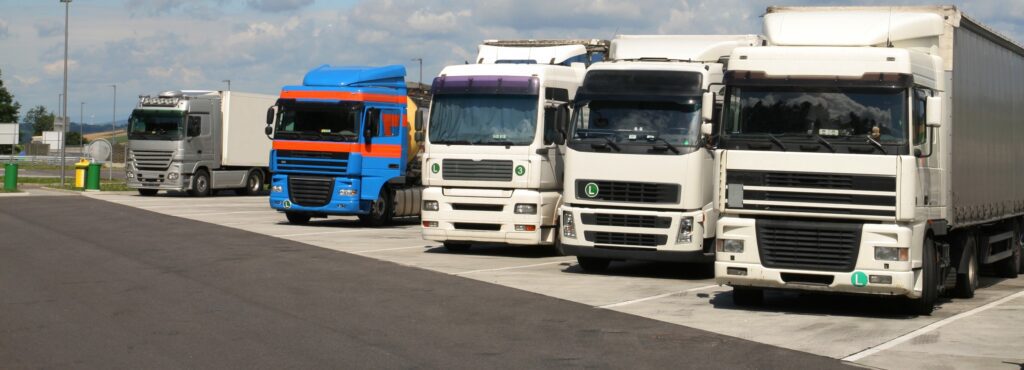
Unattended vehicles with the truck running and the keys inside are prime targets. If a driver’s route is predictable, a theft is even more likely. For this reason, loading bays, service areas and temporary parking sites become hot spots when operations do not apply physical security measures consistently across all environments.
Digital Backdoors and Cyber Threats
For modern fleets to succeed, they require an online presence or a form of tracking. However, the same technology that helps you could also provide criminals with a backdoor. Bad actors may use relay attacks, a wireless hacking technique that intercepts communication between two devices, to operate a key fob and unlock a vehicle.
A criminal can perform a relay attack in seconds, even if the keys are inside a home or building. Admiral Insurance told the BBC that between 60% and 70% of vehicle thefts in 2020 to 205 involved keyless models, indicating that push-button starts remain vulnerable to these attacks.
Cyberattacks on fleet management software also pose a threat. Hackers targeting telematics platforms can alter route data, turn off tracking systems or access sensitive information about cargo and schedules. The data could be sold or used for a criminal’s direct purposes.
3 Core Technologies for Real-Time Visibility
Although vehicle tracking can expose vulnerabilities, it can protect your fleet when utilised correctly. These core systems work together to create comprehensive visibility.
GPS and Telematics Tracking
A combination of telematics and GPS is essential for fleet visibility. When integrated with fleet management software, these tools can help managers monitor speed, location, driver activity and job status in real time.
When used to its full potential, telematics can reduce the window between an incident and recovery action from hours or days to minutes. If a vehicle equipped with GPS tracking is stolen, it is more likely to be recovered, as GPS provides authorities with an accurate location. This data could give you more time to locate pilfered cargo before it is moved to a secondary location.
Telematics data can also reveal unauthorised use outside working hours. It shows unexpected route deviations and other anomalies that indicate security breaches requiring investigation.
Video Telematics and In-Cab Cameras
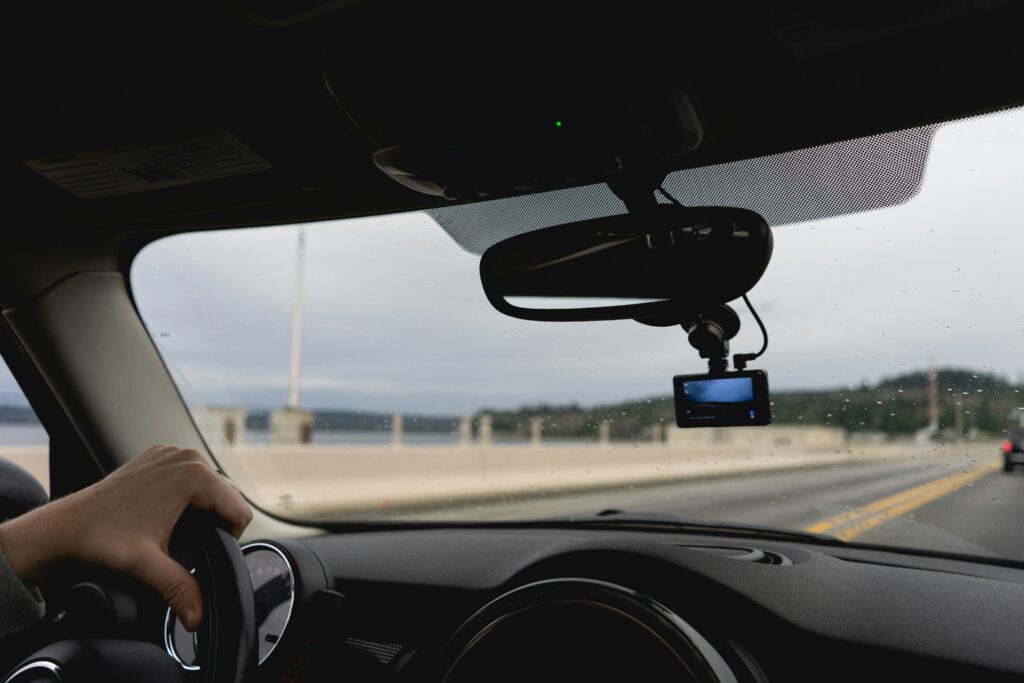
In-cab cameras provide an indisputable record of what occurs inside and around your vehicles. They capture passenger activity, driver behaviour and loading procedures. If you connect security alerts to your phone or business systems, you will receive an alert if a violation occurs. Aiming the video at the driver’s seat may give businesses a view of the criminal’s face during a theft, depending on camera placement, image quality and incident conditions.
However, since theft does not only occur in the front seat, cameras on the garage door or in the cargo compartment can give you a visual of what was taken, by whom and when. Visual evidence is valuable for investigating incidents. It also gives drivers peace of mind, as cameras can help identify security breaches that might otherwise go undetected.
Geofencing and Unauthorised Use Alerts
Geofencing technology uses Wi-Fi, GPS or cellular data to create a virtual boundary around a physical location, such as your yard, operational zone or jobsite. When vehicles cross these boundaries without authorisation, the system triggers an alert to fleet managers and security personnel, enabling immediate response before criminals take or damage assets.
These alerts monitor vehicle movement around the clock. If a vehicle starts moving at 2 a.m. from a supposedly secure depot, your business will know within seconds. Along with out-of-hours monitoring, the system also identifies unauthorised use during work hours.
One way to strengthen this system is to assign drivers a unique key fob, PIN or ID number tied to vehicle access. You can also track this by requiring employees to sign in and out at a physical location, creating a record that hackers will have difficulty accessing.
Building a Proactive Security Culture
Lasting security requires team members’ commitment, as human error is another avenue for criminals to exploit. Creating a culture where security awareness guides your decisions starts with comprehensive security training. When employees understand how theft prevention protects the business, reduced losses can support positive incentives, such as team bonuses.
The goal of training is to ensure drivers, dispatchers and administrative staff understand their role in preventing theft and unauthorised use. Create a programme that covers cyber hygiene, fuel card fraud prevention, vehicle and cargo security, and regulatory compliance. Employees should know where and how to report suspicious activity.
Modern fleet management platforms help reinforce this culture by simplifying and streamlining security tasks. Systems that orchestrate essential tasks automatically free professionals from manual monitoring and paperwork, allowing them to focus on security improvements. Automation reduces staff burden while ensuring they consistently follow critical security protocols, creating a sustainable, effective system.
Secure Your Fleet To Secure Your Future
Real-time visibility technology is one of the most effective defences against the sophisticated theft and unauthorised use threatening UK fleets today. By combining GPS tracking, video telematics and geofencing with a security-conscious culture, you create multiple layers of protection. These layers deter criminals and enable rapid response when incidents occur.
Evaluate your current security measures to identify where enhanced visibility could close gaps in your defences. Then train your staff to be proactive in the face of a potential threat.