Tips for keeping your vehicle secure: Protecting your truck from theft



Haulage companies in the UK and Europe can significantly reduce the risk of vehicle and cargo theft. Protecting the lorry is not just about securing the vehicle itself; it involves a holistic approach that includes technology, training, community engagement, and proactive planning. With the right measures in place, fleet managers can ensure the safety of drivers and the integrity of assets, fostering a secure environment for their operations.
What drivers should do
Securing the vehicle
Enhance your vehicle’s security by employing various devices such as padlocks, uniquely numbered seals, and tilt cords. These should be applied immediately after loading to create an additional layer of protection against unauthorised access.
Conducting thorough checks is essential. After each stop, take a moment to inspect your lorry and its cargo. Look for any signs of tampering or suspicious activity. Vigilance is critical in preventing theft incidents.
Documentation
Maintain a comprehensive vehicle security checklist. It should be readily available for review by Border Force officers or other authorities when required. This not only demonstrates your commitment but also aids in the investigation process if theft occurs.
Safe locations
Opt for parking spaces that are well-lit and busy. Areas with high pedestrian traffic and surveillance cameras are less appealing to thieves. Whenever possible, use designated secure parking areas that are equipped with perimeter fencing and advanced surveillance systems or security personnel. These locations provide an added layer of safety. For overnight parking, choose places that are illuminated and monitored.
Find safe truck parking on your transit route using the SNAP map.

Technology and equipment
Incorporating advanced technology can significantly bolster your vehicle’s security. Equip your lorry with modern systems, including GPS tracking, immobilisers, and panic alarms. These not only deter theft but also aid in recovery if an incident happens.
Route planning
Moreover, plotting your journeys effectively can help you avoid high-risk areas. Utilise software that allows you to map out delivery routes while steering clear of known hotspots for cargo theft. By implementing telematics and GPS technology to monitor your vehicle in real-time – you’ll be able to track its location and ensure adherence to planned journeys.
What fleet operators should do
Security protocols and systems
A well-defined set of security protocols is essential for all drivers. As a fleet operator, you may provide comprehensive written guidelines detailing security measures they should follow. Such an approach ensures everyone is on the same page regarding safety practices.
You should train drivers on how to effectively use the systems installed in their lorries. Familiarity with these devices can enhance their effectiveness. It’s also a good idea to educate them about potential threats and the importance of vigilance. They should be aware of common tactics used by thieves and how to respond appropriately.
Keeping your trucks in optimal condition reduces the risk of breakdowns that could lead to theft. Implement a proactive maintenance schedule to ensure your vehicles are always in good working order. Regular checks can prevent mechanical failures that may leave your lorries vulnerable.
Communication and community
Establishing clear communication channels is vital for effective security management. Maintain open communication between drivers, dispatchers, and security personnel. This allows for immediate reporting of any suspicious activity or vehicle issues. Encourage drivers to check in periodically throughout their shifts.
Engaging with the local community can enhance your security measures. Collaborate with other businesses and local law enforcement to share information about potential threats. A collective approach can increase awareness and lead to more effective crime prevention strategies. Participate in community initiatives that focus on this – building relationships can create a support network that aids in protecting your assets.
Response plans
Having a solid plan in place for emergencies can mitigate the effects of theft. Develop clear protocols for responding to incidents. It should include steps for reporting it, contacting law enforcement, and notifying your insurance provider. Ensure that all drivers are familiar with these – they should know how to act quickly and effectively.
Situational awareness
Training drivers to be aware of their surroundings can prevent theft. Educate them on how to identify suspicious activity around their vehicles, and encourage them to trust their instincts and report any unusual occurrences. Moreover, stress the importance of prioritising personal safety over cargo. If confronted by a thief, they should comply and report the incident to authorities as soon as it’s safe to do so.
Monitoring fuel transactions with SNAP
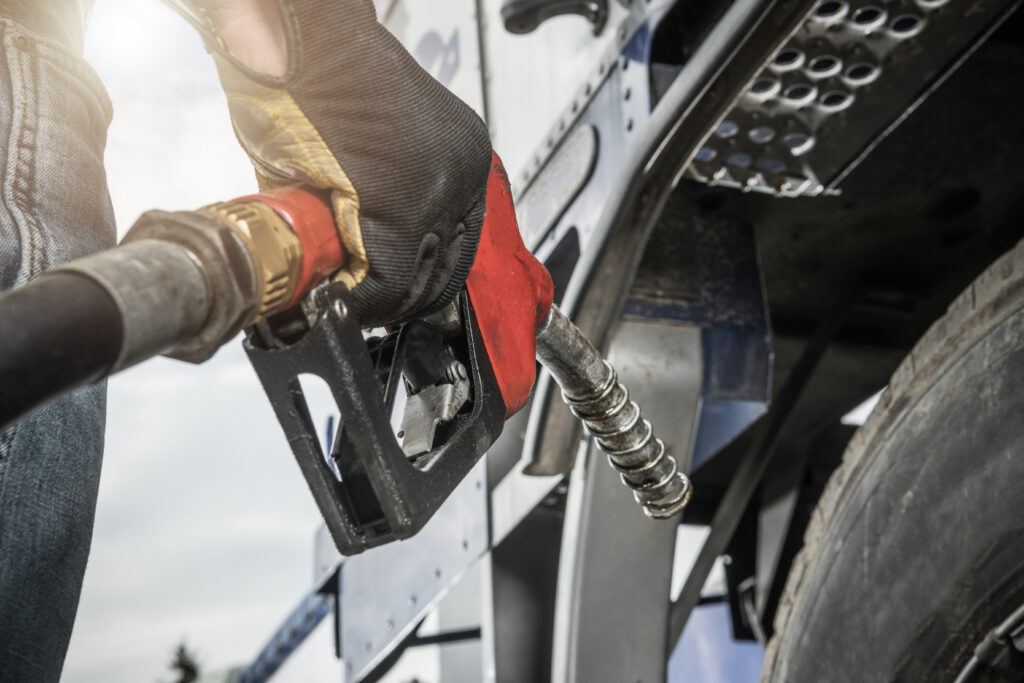
We provide a smart payment system that automatically records and tracks fuel transactions. When drivers refuel their vehicles at any of the 3,500+ locations across the UK, they simply present their SNAP Fuel card to pay for the transaction, which eliminates the need for cash or credit cards, streamlining the process.
The system automatically adds each fuel transaction to the account associated with the vehicle’s licence plate number. Such automation removes the need for drivers to manually collect and submit receipts, reducing administrative burden and potential for errors.
Fleet managers receive monthly itemised invoices that provide a detailed overview of activity for all their vehicles, which allows for easy monitoring of fuel consumption and spending across the entire fleet.
SNAP Fuel integrates with other SNAP Account services, enabling fleet managers to monitor not just fuel transactions, but also parking and washing services in a single account, providing a comprehensive view of operations and expenses. Learn more about SNAP Fuel here.