Polish-Ukrainian border reopens: What fleet operators need to know

After months of disruption, freight traffic between Poland and Ukraine is moving freely again. But with tensions still simmering and the threat of renewed blockades on everyone’s minds, fleet operators must remain alert to the risks – and prepared to protect driver welfare on both sides of the border.
This article explains what caused the disruption, how it affected drivers, and the steps you can take to reduce the impact if industrial action returns.
What caused the Poland-Ukraine border blockade of 2024?
The situation began in late 2023 when Polish truck drivers began protesting at major border crossings. They claimed that the EU’s decision to waive permit requirements for Ukrainian hauliers – introduced as a temporary wartime measure – led to an influx of lower-cost operators undercutting Polish firms.
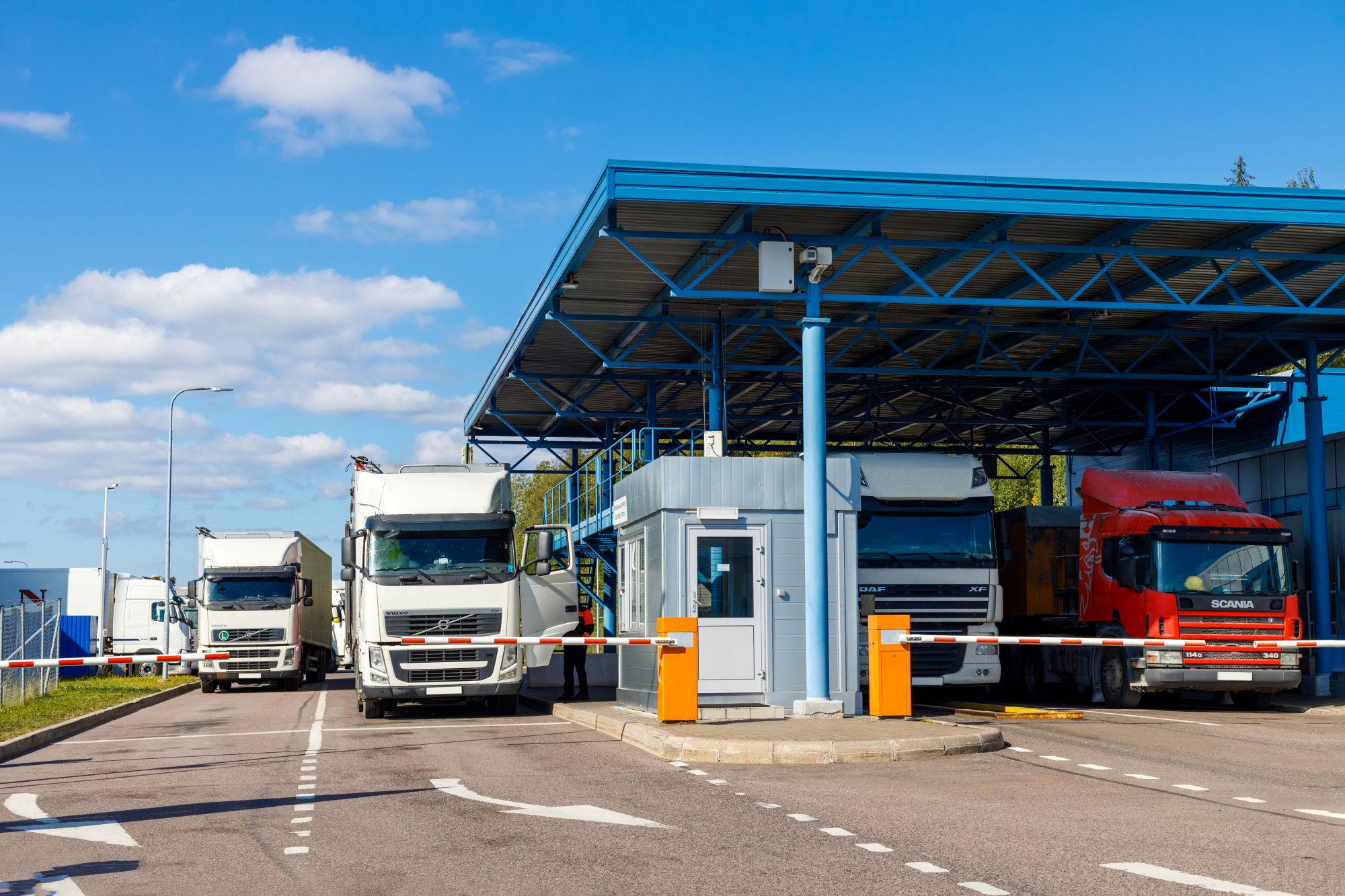
The protests escalated, blocking key freight routes into Ukraine and trapping thousands of vehicles in queues stretching for miles. At its peak, the blockade left more than 5,000 trucks stranded at the border, some waiting more than a week to cross. Non-Ukrainian EU drivers, too, suffered long delays, strained schedules and poor conditions.
What began as a logistical dispute evolved into a broader protest by Polish truckers over Ukrainian imports, market access, and the impact of emergency EU transport measures. Polish farmers soon joined in, frustrated by the effect of Ukrainian agricultural products on domestic prices.
Polish drivers also criticised Ukraine’s electronic queuing system for border crossings – known as eCherha – arguing that it put EU hauliers at a disadvantage. While the system was designed to streamline freight movement by allowing carriers to pre-book crossing slots, Polish operators claimed it gave Ukrainian firms greater flexibility and faster access. Issues such as language barriers, limited integration with EU logistics systems and inconsistent implementation left many EU drivers waiting longer at the border, further fuelling the perception of unfair treatment and contributing to the broader unrest.
Timeline of the Poland-Ukraine border blockades
November 2023: Protests begin at Dorohusk, Hrebenne and Korczowa crossings.
December 2023: More crossings are blocked, including Medyka; three Ukrainian drivers die waiting in queues.
January 2024: The Polish government comes to an agreement to pause the blockade until March.
March-April 2024: Sporadic blockades resume at smaller crossings.
May 2025: A new four-month blockade began at Yahodyn-Dorohusk but was overturned in court.
June 2025: All major border crossings remain open, but the risk of future disruption remains.
What is the Polish government doing to improve the situation?
In response to the disruption and its wider implications, the Polish government has taken a proactive stance. Border crossings with Ukraine have been designated as critical infrastructure, giving them greater protection from future blockades and helping to ensure the continued flow of freight, humanitarian aid and military support.
A new Council for Cooperation with Ukraine has also been established to generally strengthen ties between the two countries. Part of its remit is to improve coordination across trade and transportation. In parallel, Poland is investing in eastern border infrastructure and engaging with EU officials to press for fairer terms for Polish hauliers. While these actions may not resolve the situation overnight, they signal a longer-term commitment to stability and structured dialogue.
The impact on drivers
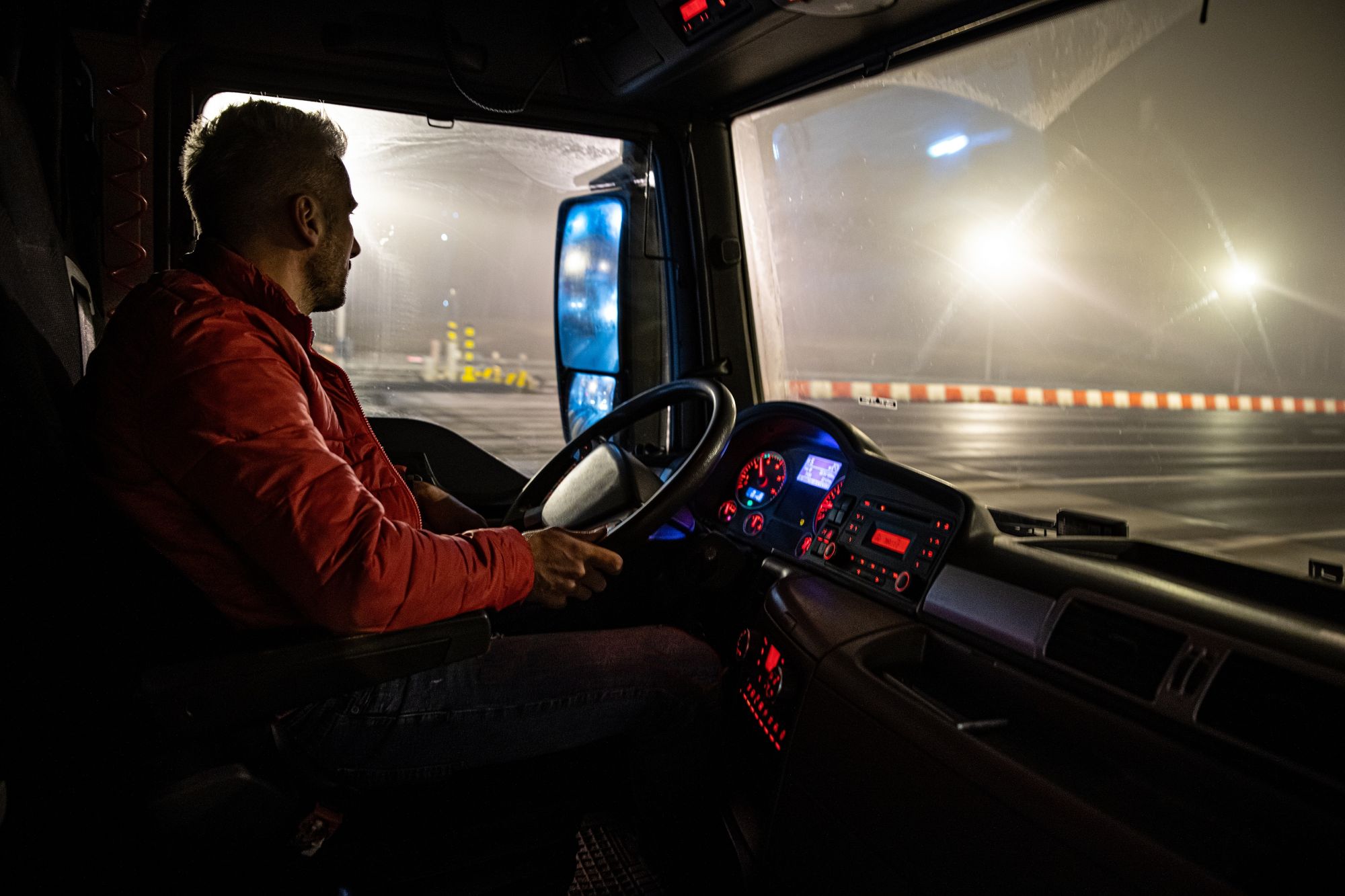
The blockade created unacceptable conditions for professional drivers. Many spent days or weeks in their cabs with no access to toilets, food or running water. Some were stuck in freezing temperatures with no heating or shelter.
Three Ukrainian drivers died during the blockade period, with exhaustion and untreated medical conditions believed to be contributing factors.
The disruption also caused significant mental and emotional strain, particularly for Ukrainian drivers trying to reach or return from home during wartime. Delays affected not only trade but also the movement of fuel, aid and military goods critical to Ukraine’s national defence.
While Polish protesters insisted that humanitarian and military aid vehicles were permitted through the border, reports from Ukrainian authorities indicate that this wasn’t always the case.
These conditions weren’t just traumatic for drivers – they also exposed gaps in fleet risk management and emergency planning. Operators must now treat border disruption as an ongoing threat.
What fleet operators need to know
Although the situation has stabilised, underlying tensions between Polish hauliers, Ukrainian operators and EU policy remain unresolved. Fleet managers operating in or near the region should be alert to the possibility of further industrial action – especially during seasonal pressure points or EU policy reviews.
Here are the SNAP team’s recommendations for managing the situation effectively:
1. Monitor the situation at the Polish-Ukrainian border
Stay up-to-date with news from Polish and Ukrainian logistics associations and government sources. Subscribe to border traffic alerts and follow trusted logistics partners for real-time updates.
2. Plan flexible routes
Have contingency plans that redirect vehicles through Hungary, Slovakia or Romania if crossings between Poland and Ukraine become blocked again.
3. Support driver welfare
Ensure your trucks are stocked with essentials: food, water, power banks and medical kits.
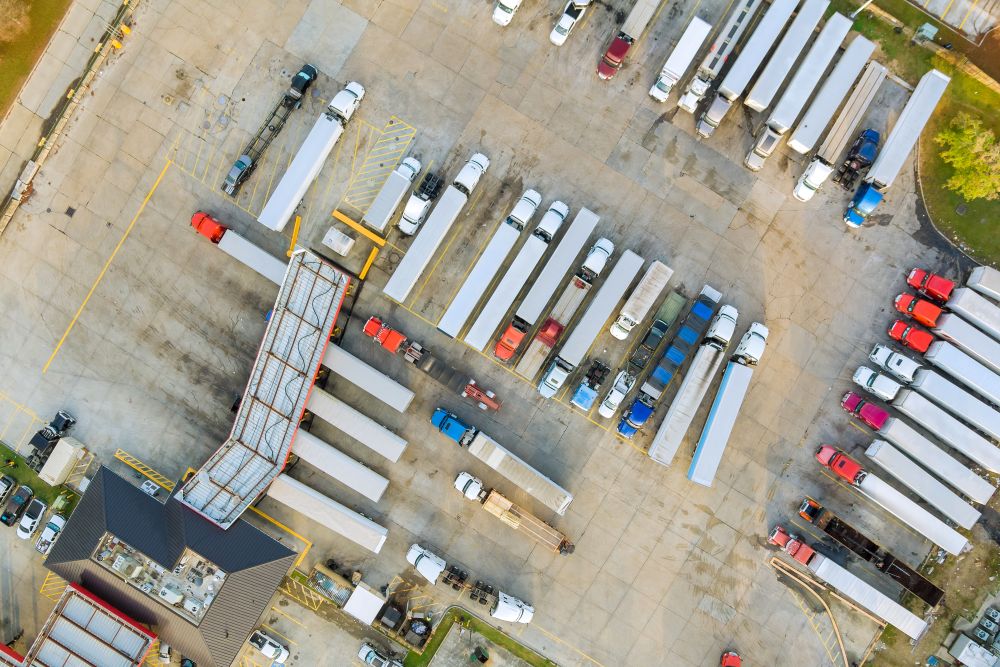
During periods of unrest, access to secure truck parking in Poland is essential, so that your drivers are safe, rested and off the roadside. Equip drivers with up-to-date information on secure truck parking and rest areas along their route.
Our intruck app has an interactive map of truck parking, with 11,000 HGV service providers across Europe, including Poland, Hungary and Slovakia. It’s an easy-to-use tool for finding secure truck rest areas in Poland, making it especially valuable during periods of industrial action.
Although the app does not currently offer bookable truck parking in Ukraine, Ukrainian operators and drivers can use intruck to locate reliable rest stops within the EU during long-distance journeys or times of disruption.
4. Book secure truck parking solutions in Poland
With increased demand during periods of disruption, advanced booking is critical. Drivers can also use intruck to find and book trusted truck parking in Poland in advance. Whether your vehicles are travelling deep into Eastern Europe or returning westward, it allows your drivers to access parking for trucks near Warsaw and other high-traffic areas.
5. Communicate with drivers regularly
Establish check-in schedules, especially if long waits or diversions are expected. Reassure drivers that their wellbeing is a priority and provide support if they face unexpected delays. If possible, suggest secure lorry parking locations in Ukraine in advance, so they know where to take a break.
Looking ahead
The reopening of the Poland-Ukraine border is welcome news for fleets operating in Eastern Europe. But with political tensions unresolved, it’s essential to stay prepared.
“The situation is rapidly changing,” says Nick Renton, Head of European Strategy and Business Development at SNAP. “With the potential for further disruption at the Poland-Ukraine border, we recommend that fleet operators put robust plans in place to prioritise driver wellbeing and minimise operational risks. That includes building flexibility into delivery schedules, providing essential supplies in vehicles and ensuring drivers have access to secure truck parking.
“Our network of bookable truck stops across Europe and Poland gives you the tools to stay agile – offering peace of mind to both operators and drivers when conditions on the ground become unpredictable.”
View our interactive map of secure truck parking in Poland today.