Mobility for everyone: What does it mean for European road transport?


Every day, professional drivers keep goods moving between businesses, communities and countries across Europe.
Behind every journey is a much bigger network. Fleets that plan routes and manage vehicles. Truck stops that give drivers somewhere to park, rest and access essential facilities. Technology that connects services across borders.
For European Mobility Week 2026, the theme Mobility for Everyone asks us to consider how transport can become more accessible and inclusive. This year, there is a particular focus on intergenerational fairness and creating transport systems that work for people at every stage of life, both now and in the future.
For European road transport, it’s a timely conversation.
The industry is changing quickly, but one question matters more than most: are we building a transport network that works for the people using it today and the generations that will depend on it tomorrow?
Making European road transport work for the next generation
Europe needs the next generation of professional drivers.
IRU’s latest driver shortage research shows the scale of the challenge. Around 20% of Europe’s current driver workforce is expected to retire within the next five years, while women account for just 4% of European truck drivers.
There is no quick fix.
Attracting more people into the profession means looking beyond recruitment and considering the experience of doing the job.
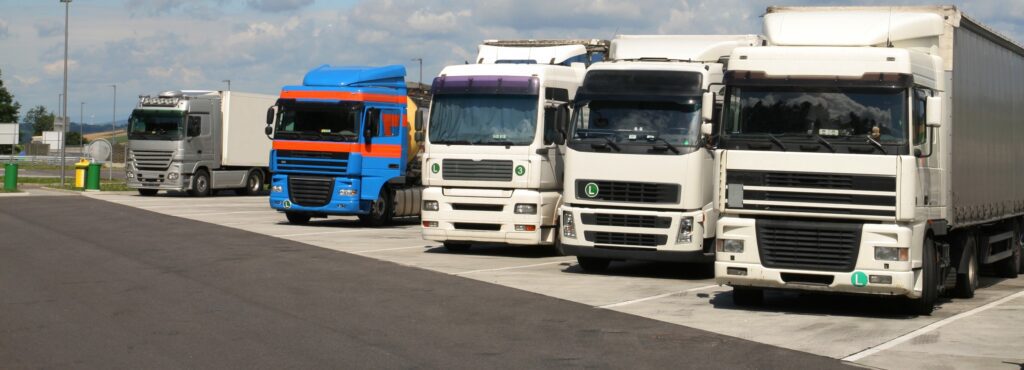
Drivers can spend days or weeks away from home. Access to safe parking, good facilities and essential services can make a real difference to life on the road.
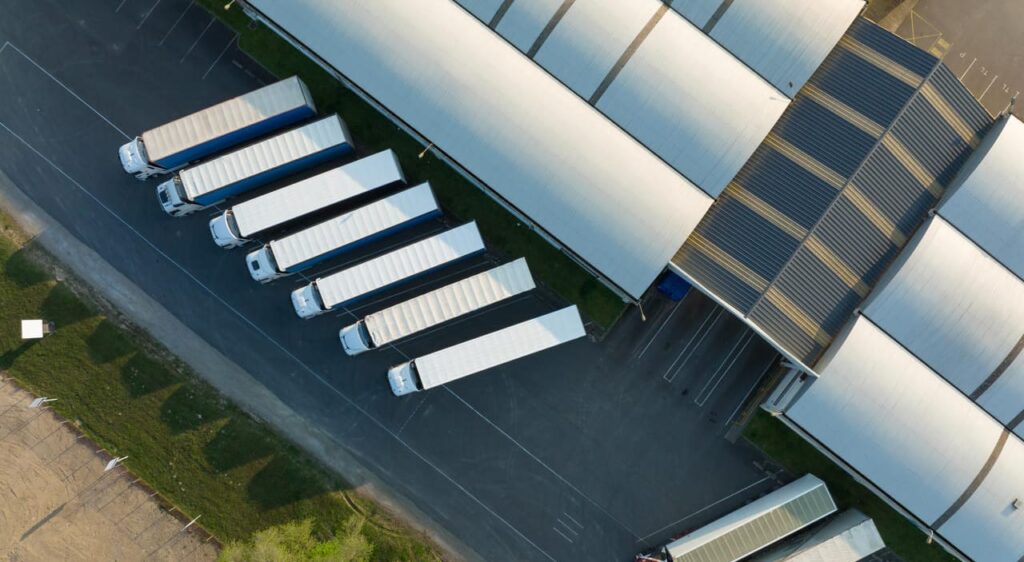
The infrastructure challenge is significant. A recent European Commission study into safe and secure truck parking identified a shortage of more than 390,000 safe and secure parking spaces across the EU, a gap expected to increase to 483,000 by 2040.
Through our relationships with fleets, drivers and service partners across Europe, we see how differently something as simple as a parking space can be viewed.
For a fleet, it’s part of planning a successful journey. For a truck stop, it’s part of running a successful site.
For a driver, it’s where they’re spending the night.
That perspective matters if we want to create an industry that future generations want to join.
“If we want more people to see professional driving as a career for the future, we have to think about the reality of the job today. That means making sure drivers have access to safe places to stop, good facilities and the support they need when they’re away from home. Attracting the next generation isn’t just about getting people behind the wheel. It’s about creating an industry they want to stay in.”
Raquel Martinez, European Sales Manager at SNAP.
Creating a better European road transport journey
European road transport is becoming cleaner, more digital and more connected.
But progress isn’t just about what powers a truck. We also need to improve the thousands of interactions surrounding every journey.
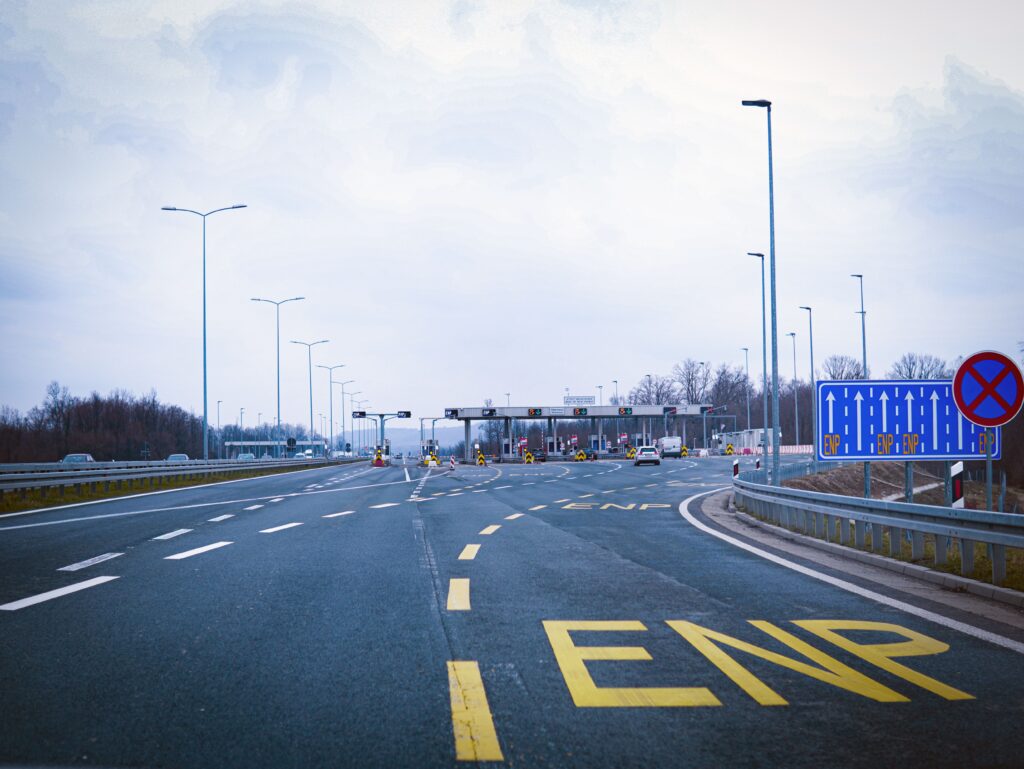
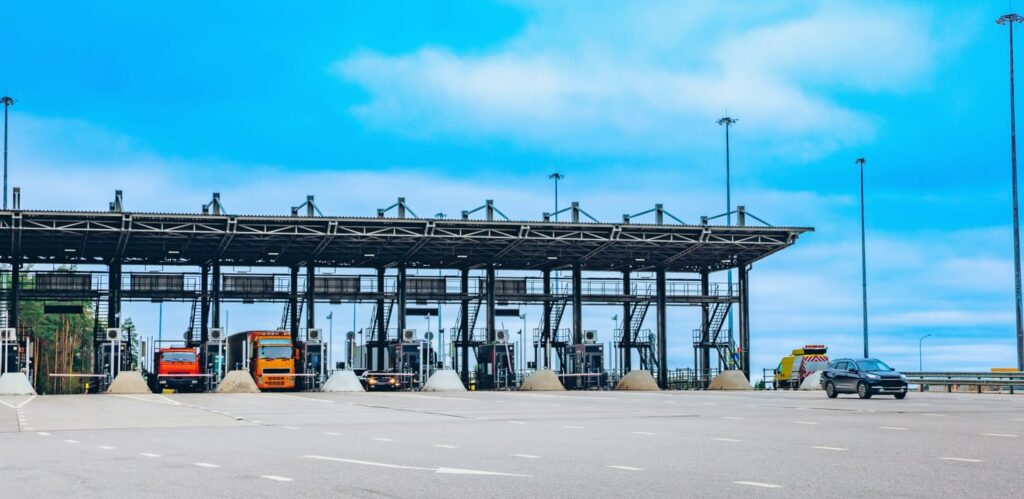
Finding somewhere suitable to park. Accessing a truck wash. Navigating tolls. Managing payments and invoices across a fleet. Finding the right services in an unfamiliar country.
Individually, they can seem like small parts of a much bigger journey. Together, they influence how efficiently that journey runs.
This is where connected mobility can make a practical difference.

At SNAP, our network connects fleets and drivers with essential mobility services including truck parking, washing and tolls, all managed through one account. Drivers can use the intruck app to find services on the road, while our technology helps service partners connect with the customers travelling through their sites and manage vehicle access.
With SNAP services used every 11 seconds, we see first-hand the volume of everyday interactions involved in keeping European road transport moving.
The goal isn’t to add more technology to a driver’s journey.It’s to remove friction from it.
Making mobility work across European borders
Road transport is international by nature.
Every day, drivers move between different countries, languages, infrastructure and ways of accessing services.
For us, accessibility therefore means more than physical infrastructure.
Services need to be easy to find and use. Information needs to be clear. Technology should make navigating different countries and systems easier, not create another barrier.
Working across European markets has also taught us that there is no single driver, fleet or truck stop experience. Local needs matter, and understanding those differences is an important part of creating solutions that work across borders.
Better-connected mobility isn’t about making every market the same.It’s about making it easier to move between them.
“One of the biggest things we’ve learned from working across Europe is that you can’t assume every market works in the same way. Drivers, fleets and truck stops face different challenges from one country to the next. The technology can connect those markets, but the solutions still need to reflect the people using them locally. If we want mobility to work across borders, we have to understand what those differences mean in practice.”
Raquel Martinez, European Sales Manager at SNAP.
Building mobility for everyone
European Mobility Week gives the transport industry an opportunity to consider the network we want to create for the future.
For road transport, Mobility for Everyone should mean an industry where drivers are properly supported, fleets can operate efficiently and service partners can continue improving the infrastructure that keeps journeys moving.
Technology has a role to play. So do better facilities, safer parking and continued investment in the people behind every journey.
No single business can deliver that alone.
At SNAP, we believe our role is to connect those parts of European road transport and make essential mobility services easier to access.
Because the future of European mobility isn’t only about how we move.It’s about making sure the journey works for everyone.