Challenges and solutions in modern transportation management

Modern transportation management is a strategic approach to planning, organising, and controlling the efficient and effective movement of goods and materials from origin to destination. It involves leveraging technology and data-driven insights to optimise transportation processes, reduce costs, and enhance customer satisfaction.
In this blog, we explore the main challenges and solutions related to this matter.
Key challenges
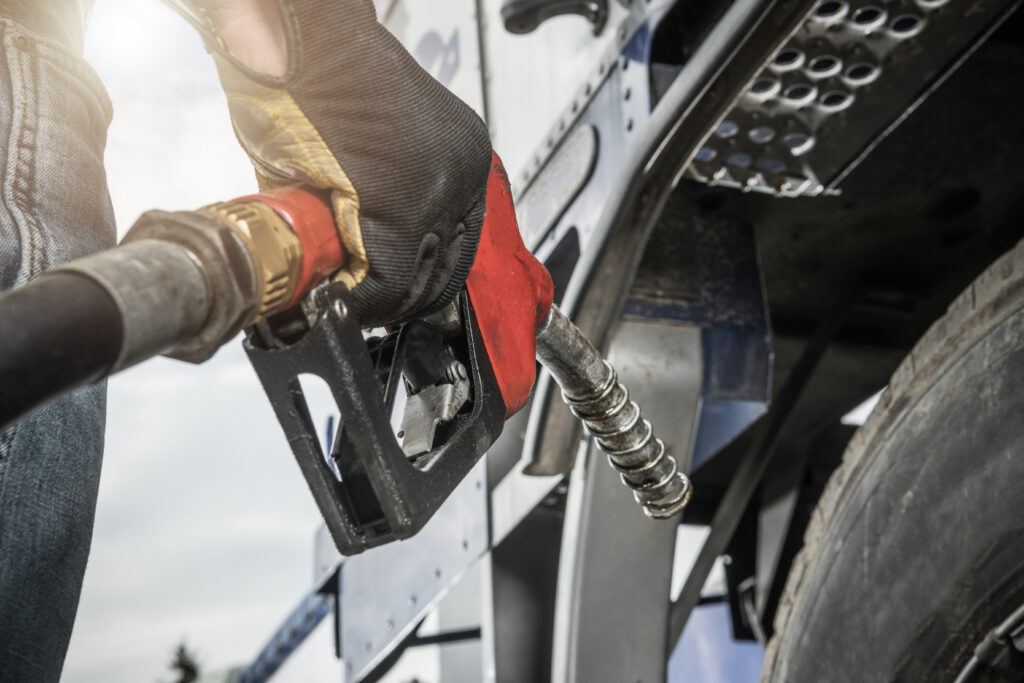
One of the most pressing things that fleets have to deal with is the management of fuel expenses. These make up a significant portion of operational expenditure, and their volatility can wreak havoc on budgeting processes and overall profitability. The unpredictable nature of fuel prices creates a ripple effect throughout the supply chain, forcing companies to make difficult decisions about cost absorption or price increases, potentially impacting their competitiveness. However, forward-thinking businesses are adopting strategies to mitigate the associated risks:
● Entering fuel hedging contracts to lock in prices for a set period, thereby stabilising spend
● Investing in modern, fuel-efficient vehicles to reduce consumption and lower overall costs
● Exploring alternative fuel sources, such as biodiesel or compressed natural gas, to act as a buffer against traditional fuel price fluctuations
One of the solutions – SNAP Fuel – allows for seamless fuel management:
● Fleet operators can access detailed reports on expenditures, providing cost transparency and helping them to identify trends and areas for improvement.
● By partnering with Certas Energy, users can access discounted fuel rates, further reducing expenditure.
Traffic congestion
Another issue is traffic. As urban populations swell, the strain on existing infrastructure intensifies, leading to problems throughout the entire logistics chain. Delays become commonplace, fuel consumption skyrockets, and operational costs surge, all while customer satisfaction plummets due to extended delivery times.
There are several tactics to counteract the negative impacts of this:
● Utilising advanced route optimisation software can help to identify the most efficient paths, reducing travel time and fuel consumption.
● Integrating real-time traffic data into operations can allow for dynamic route adjustments based on current conditions.
● Developing tailored urban logistics plans can enable businesses to navigate city-specific challenges, like restricted access zones and peak traffic hours.
Supply chain disruptions
From natural disasters to geopolitical events to labour shortages, disruptions are another matter that fleets face – leading to delays, increased costs, and diminished service levels, challenging the resilience of transportation management systems.
To tackle such interruptions, organisations can adopt several strategies:
● Diversification: Sourcing materials and services from multiple suppliers can reduce dependency on any single one and mitigate risks.
● Risk assessments: Conducting these regularly can help to identify vulnerabilities within the supply chain and support contingency planning.
● Live monitoring: Putting in place technologies that provide real-time visibility into the supply chain can enhance responsiveness and quicken decision-making.

Innovative solutions
As technologies continue to evolve and integrate, they promise to reshape the future of transportation management, addressing longstanding issues and opening up new possibilities for growth and innovation.
● Telematics: Vehicle tracking systems give real-time data on location, route optimisation, and driver behaviour, facilitating more informed judgements.
● IoT devices: These can monitor vehicle health, fuel consumption, and cargo conditions, ensuring optimal performance and safety.
● AI and machine learning: Through these, you can enable predictive analytics and demand forecasting, enhancing route optimisation and inventory management.
● Blockchain: Implementing this technology can improve supply chain transparency, security, and traceability, fostering trust among stakeholders.
Driver retention and training
The driver shortage is another challenge of transportation management, which the Department for Transport is attempting to solve by opening a consultation on ways to relieve it. We prompted truckers to voice their opinions regarding the proposal on the SNAP Facebook page. While many didn’t comment on the scheme, 72.5% did challenge the term ‘driver shortage’, labelling it as scaremongering. Instead, they listed several reasons why experienced truckers leave the industry.
Therefore, attracting and retaining skilled drivers is still of great importance. The government introduced several measures, but fleet managers and truckers can take steps themselves:
● Competitive compensation and benefits: Offering attractive packages can help to entice top talent in a competitive job market.
● Flexible work arrangements: Providing these can better job satisfaction and reduce turnover rates.
● Advanced training and skill development: Investing in ongoing programmes can equip drivers with the capabilities needed to excel in their roles and adapt to new technologies.
Another key way to hold onto drivers is to make their jobs as easy as possible – and that includes the likes of paying for parking and washing. Thankfully, there’s SNAP.
Get support from SNAP
To learn more about our services and how they can aid transportation management, get in touch by calling +44 (0)1603 777242.