Guest
Industrie Nieuws • 9 min lezen

Brandstof vs lading: Is de overstap naar elektrisch goedkoper of gewoon groener?

Gemaakt: 28-07-2025

Bijgewerkt: 19-09-2025

De groei van elektrische laadstations voor vrachtwagens in heel Europa heeft geleid tot een overgangsperiode op de uitgebreide wegennetten van het continent. Voor veel wagenparkbeheerders en chauffeurs zijn klassieke vrachtwagens op diesel nog steeds het favoriete transportmiddel. De overstap naar elektrische vrachtwagens komt echter steeds dichterbij, omdat de sector zich blijft ontwikkelen.

Om de haalbaarheid van de overstap van wagenparkbeheerders van diesel naar elektrisch te beoordelen, heeft SNAP onderzoek gedaan naar de kosten van het opladen van vrachtwagens versus het tanken ervan op verschillende Europese vrachtroutes. We berekenden de besparingen van elektriciteit versus diesel in euro's per 100 km in 35 Europese landen.

We ontdekten dat IJsland de weg aanvoert met een gemiddelde kostenbesparing van €61,03 per 100 km, waarbij Scandinavische medelanden Noorwegen en Finland respectievelijk de tweede en derde plaats innemen. Aan de andere kant van de schaal bood Kroatië de minste kostenbesparingen met €19,96 per 100 km, gevolgd door Cyprus en Moldavië.

In dit artikel leggen we de kostenbesparingen per Europees land bloot en analyseren we enkele van de kostenbesparingen per Europees land en analyseren we enkele van de externe factoren die deze besparingen kunnen beïnvloeden. We duiken ook in hoe de toekomst van eHGV's in Europa eruit zou kunnen zien en hoe eHGV's wagenparkbeheerders en bestuurders kunnen helpen geld te besparen, vooral met [bestuurdersbudgetten] (https://snapacc.com/newsroom/a-truck-drivers-guide-to-budgeting/).

Hoe de eHGV en dieselkosten zich in de EU verhouden

Uit ons onderzoek bleek dat in elk onderzocht Europees land het gebruik van een eHGV met elektrische oplading geld bespaarde in vergelijking met het gebruik van een traditionele vrachtwagen met brandstof. Het grootste verschil was de mate waarin de kostenbesparingen varieerden. Zo is de prijs voor elektriciteit in het duurste land, IJsland, 206% hoger (41 euro hoger) dan in het goedkoopste land, Kroatië.

We ontdekten dat een bestuurder met een elektrische vrachtwagen gemiddeld €30,59 per 100 km bespaart in vergelijking met een vrachtwagenchauffeur die op diesel rijdt. Dit komt neer op een geschatte gemiddelde besparing van €37.200 per jaar voor langeafstands elektrische vrachtwagenchauffeurs en €24.800 voor binnenlandse chauffeurs.

Om onze gegevens samen te stellen, keken we naar 35 Europese landen en vergeleken we de energie- of brandstofkosten per 100 km voor twee soorten vrachtwagens. Dit waren een standaard dieselvrachtwagen, uitgaande van een brandstofverbruik van 35 liter per 100 km tegen de gemiddelde dieselprijs in elk land, en een elektrische vrachtwagen, uitgaande van een elektriciteitsverbruik van 108 kWh per 100 km op basis van het gemiddelde elektriciteitstarief voor niet-huishoudelijke apparaten. BTW en terugvorderbare belastingen zijn niet meegenomen in deze berekeningen. De vergelijking weerspiegelt alleen de directe kosten "aan de pomp" of "aan de stekker", zonder rekening te houden met factoren zoals de omvang van het wagenpark, onderhandelde energiecontracten of toekomstige veranderingen in brandstof- en elektriciteitsprijzen.

Bij het onderzoek naar de prijsstelling voor diesel en elektriciteit is gebruik gemaakt van een aantal bronnen, waaronder Eurostat, CEIC, GlobalPetrolPrices, Webfleet, en Gov.uk. Het is vermeldenswaard dat sommige van deze bronnen verwijzen naar 'Groot-Brittannië', terwijl andere verwijzen naar het 'VK'. In dit onderzoek zijn beide termen door elkaar gebruikt.

Landen die het meest besparen door over te schakelen op elektrische vrachtwagens

IJsland (€61,03), Noorwegen (€49,31) en Finland (€49,12) zijn momenteel de landen waar het meest kan worden bespaard door over te schakelen op elektrische vrachtwagens.

Dit is grotendeels te wijten aan het feit dat deze landen tot de duurste landen in Europa behoren voor diesel. IJsland is het duurste land in Europa voor diesel (€2,07 per liter). Deze hoge kosten zijn grotendeels te wijten aan de geografische isolatie ten opzichte van de rest van Europa, waardoor de kosten voor het importeren van diesel veel hoger zijn dan die van andere Europese landen. IJsland staat net als Noorwegen en Finland bekend om zijn hoge belastingtarief, dat ook bijdraagt aan de hoge brandstofkosten.

Noorwegen (32%) en IJsland (18%) staan ook in de top twee van landen ter wereld wat betreft het aandeel elektrische auto's op de weg. Als gevolg daarvan hebben beide landen aanzienlijk geïnvesteerd in elektrische oplaadinfrastructuur.

De geringe omvang van IJsland en de grote ringweg maken het ook gemakkelijker om op regelmatige afstanden elektrische laadstations te installeren voor elektrische vrachtwagenchauffeurs. Dezelfde redenering kan gedeeltelijk worden gebruikt voor andere landen met kleinere netwerken die een hoge mate van kostenbesparing hebben, waaronder Albanië, Servië en België - hoewel moet worden opgemerkt dat alle drie ook enkele van de duurste dieselprijzen in Europa hebben, wat bijdraagt aan het verschil in kostenbesparing.

De onderstaande grafiek toont de top 10 van landen met de grootste kostenbesparingen bij het gebruik van een elektrische vrachtwagen:

(https://prodsnapstorage.blob.core.windows.net/public-news/fd4f8e5f-df90-4ba7-a05c-37abba0ae38f-image.png)

(https://prodsnapstorage.blob.core.windows.net/public-news/40cf839a-db2e-4002-a9c6-14f316216ca7-image.png)

"Chauffeurs in heel Europa besparen al door over te schakelen op elektrische vrachtwagens. Overschakelen op het opladen van eHGV's is de toekomst van de sector en SNAP staat klaar om chauffeurs en wagenparkbeheerders te helpen bij de overgang."

Matthew Bellamy - Managing Director bij SNAP

Landen die het minst besparen door over te schakelen op elektrische vrachtwagens

Kroatië (€19,96), Cyprus (€21,16) en Moldavië (€22,72) zijn momenteel de drie landen met de laagste kostenbesparingen in Europa.

Kroatië heeft de [op één na traagste EV-adoptiegraad] (https://www.smf.co.uk/wp-content/uploads/2025/03/Decreasing-transport-poverty-in-Europe-through-public-EV-chargepoints-March2025.pdf) in de EU na Polen. Dit is deels te wijten aan de gebrekkige oplaadinfrastructuur voor EV's in Kroatië, zoals oplaadstations waarvoor je de klantenservice moet bellen of verschillende apps moet gebruiken om het oplaadproces te starten, slechte aanwijzingen voor oplaadstations buiten de grote snelwegen en mogelijk lange wachttijden tijdens het hoogseizoen voor toeristen. Bovendien zijn er in Kroatië geen ultrahogesnelheidsoplaadstations (180 kW en meer), wat een probleem kan vormen voor elektrische vrachtwagens die meer vermogen nodig hebben dan de gemiddelde EV.

Zowel Cyprus als Moldavië hebben interne geopolitieke problemen die de infrastructuurplanning voor het opladen van elektrische voertuigen (en nationale planning in het algemeen) moeilijk maken. Op Cyprus is de noordelijke helft van het eiland - inclusief de helft van de hoofdstad Nicosia - sinds 1974 bezet door de Turkse-gesteunde Turkse Republiek Noord-Cyprus. Voor Moldavië fungeert de oostelijke provincie Transnistrië als een de facto staat met een eigen regering. Dit betekent dat beide landen de EV-infrastructuur niet op een consistente manier kunnen implementeren in het gebied dat ze als hun eigen grondgebied beschouwen.

De problemen in Cyprus worden nog verergerd door de hoge elektriciteitskosten, terwijl Moldavië de op vier na goedkoopste dieselprijs in Europa heeft. Moldavië is ook het [op één na armste land van Europa] (https://worldpopulationreview.com/country-rankings/poorest-countries-in-europe), waardoor investeringen in EV-infrastructuur een uitdaging vormen. Al deze factoren dragen bij tot een algemene lage kostenbesparing voor elektrische vrachtwagens.

Polen staat ook laag op de lijst met een kostenbesparing van €24,22. Ondanks de indrukwekkende economische groei en de toenemende investeringen in EV-laadinfrastructuur, betekent de grote omvang van het land dat de dekking nog steeds een probleem is in bepaalde delen van het land - hoewel het ernaar uitziet dat dit in de toekomst zal veranderen.

Landen als Spanje (€32,20), Roemenië (€30,62) en Ierland (€30,54) nemen een middenpositie in als het gaat om kostenbesparingen voor elektrische vrachtwagens. Dit is waarschijnlijk te danken aan het feit dat in deze landen de infrastructuur voor het opladen van elektrische voertuigen groeit en de elektriciteits- en dieselkosten gemiddeld geprijsd zijn.

De onderstaande grafiek toont de top 10 van landen met de laagste kostenbesparingen bij het gebruik van een elektrische vrachtwagen:

(https://prodsnapstorage.blob.core.windows.net/public-news/f8f4af0d-5895-4829-97c7-33d9ff420551-image.png)

Kostenbesparingen van elektrische vrachtwagens in het VK

Het Verenigd Koninkrijk heeft een kostenbesparing van €36,23** voor eHGV's, waarmee het op de 11e plaats staat voor kostenbesparingen door opladen per 100 km. Dit is grotendeels te wijten aan de hoge brandstofprijzen in het VK, met dieselprijzen die op twee na het duurst zijn in Europa. Hoewel de besparingen door de hoge dieselkosten zeker bijdragen aan de hoge besparingen op de kosten van eHGV's in het VK, zouden deze waarschijnlijk veel hoger zijn als de elektriciteit in het VK niet ook tot de duurste in Europa zou behoren.

Het VK verwacht ook verbeteringen aan de infrastructuur voor het opladen van EV's. Het Britse snelwegbedrijf Moto is actief van plan om 15 'superhubs' te bouwen tegen 2027. Deze superhubs kunnen het opladen van EV's voor eHGV's efficiënter uitvoeren dan een standaard EV-lader. Er zijn momenteel minder dan vijf speciale oplaadpunten voor eHGV's op de Britse wegen. Met andere bedrijven zoals BP Pulse en Aegis Energy die ook willen investeren, ziet het ernaar uit dat het Verenigd Koninkrijk in de nabije toekomst een sterk verbeterd laadnetwerk voor vrachtwagens zal hebben.

Wat beïnvloedt de elektrificatie van vrachtwagens?

Op dit moment zijn er verschillende factoren die de elektrificatie van vrachtwagens belemmeren, waaronder een gebrek aan laadinfrastructuur, lange laadtijden, de hoge initiële kosten van het ombouwen van eHGV's en hun beperkte actieradius. Bovendien maken de relatief lage kosten en de toegankelijkheid van dieselbrandstof en -voertuigen traditionele vrachtwagens tot een aantrekkelijke optie voor [wagenparkbeheerders].(https://snapacc.com/fleet-operators/)

Al deze gevolgen kunnen echter variëren afhankelijk van het land waarin de vloot actief is. Als je wagenpark bijvoorbeeld alleen in eigen land rijdt in een land als Noorwegen of IJsland, dan zal het waarschijnlijk minder beïnvloed worden dan een wagenpark dat in heel Europa rijdt of in regio's met een slechtere eHGV-infrastructuur, zoals de Balkan.

Onvoldoende laadinfrastructuur

Het belangrijkste obstakel voor de elektrificatie van vrachtwagens is de ontoereikende oplaadinfrastructuur voor eHGV's. Dit komt omdat eHGV's opgeladen moeten worden met megawatt. Dit komt doordat eHGV's opladen op megawatt-schaal vereisen, wat de meeste bestaande oplaadpunten voor personenauto's (standaard elektrische auto's en bestelwagens) niet ondersteunen.

Er zijn veel landen in Europa die een groot gebrek hebben aan dergelijke infrastructuur, vooral op belangrijke vrachtroutes en bij stopplaatsen voor vrachtwagens. Dit zijn vaak armere landen in Zuid- en Oost-Europa, zoals Moldavië, Georgië en Bulgarije. Het is geen toeval dat deze landen in de top 10 staan wat betreft kostenbesparingen door eHGV.

Het kan ook zijn dat er wel oplaadstations voor eHGV's bestaan, maar dat die zich in gebieden bevinden waar 's nachts niet meerdere eHGV's kunnen opladen vanwege een zwak lokaal elektriciteitsnet. Dit is vaak een probleem in meer landelijke en afgelegen delen van Europa.

Hoewel veel Europese landen van plan zijn om de infrastructuur voor eHGV te verbeteren, is het nog steeds een tijdrovend en duur proces, met talloze bureaucratische, logistieke en technische obstakels die overwonnen moeten worden - om nog maar te zwijgen van de omliggende infrastructuurverbeteringen, zoals lokale netaansluitingen, die ook nodig zullen zijn.

Lange oplaadtijden

Het duurt veel langer om elektrische vrachtwagens op te laden dan standaard EV's. Dit betekent dat het opladen vaak 's nachts moet gebeuren. Dit betekent dat het opladen vaak 's nachts moet gebeuren. Zelfs als er snelle eHGV-laders kunnen worden aangeschaft, duurt het proces nog steeds minstens twee uur, in plaats van een paar minuten zoals bij benzinevoertuigen.

Deze lange laadtijd kan een domino-effect hebben voor wagenparkbeheerders in termen van doorlooptijden. In een sector met strakke leveringsschema's en deadlines kan dit schadelijk zijn voor de bedrijfsprestaties.

Beperkte actieradius van eHGV's

Elektrische vrachtwagens worden ook beperkt door hun relatief beperkte actieradius in vergelijking met traditionele vrachtwagens. Volgens Safety Shield heeft een typische elektrische vrachtwagen een actieradius van ongeveer 300 mijl op één lading (ongeveer de afstand van Londen naar Rotterdam). Een typische vrachtwagen met dieselmotor kan echter tot 1.000 mijl afleggen op één tank brandstof (ruwweg de afstand van Londen naar Warschau).

Het aantal afgelegde kilometers van elektrische vrachtwagens kan ook meer beïnvloed worden door externe factoren zoals lading, [koud weer] (https://snapacc.com/newsroom/a-truck-drivers-guide-to-winter-in-europe/) en terrein. Dit kan leiden tot afstandsangst bij bestuurders, die vaker moeten opladen om er zeker van te zijn dat ze genoeg vermogen hebben om hun bestemming te bereiken. Dit kan op zijn beurt leiden tot vertragingen bij leveringen, vooral wanneer er door landen wordt gereden met een slechte oplaadinfrastructuur voor eHGV's.

Dit alles maakt het routeoptimalisatie van vitaal belang voor wagenparkbeheerders die reizen plannen voor hun eHGV's. Opgemerkt moet worden dat de accutechnologie voortdurend evolueert en dat de capaciteit - en dus het aantal afgelegde kilometers - in de nabije toekomst zal blijven verbeteren.

Hoge kosten eHGV

De initiële kosten van een eHGV zijn hoog (meestal tussen £160.000-£200.000, vergeleken met £80.000-£100.000 voor een dieselvrachtwagen), wat onafhankelijke bestuurders en kleinere wagenparkbeheerders ervan kan weerhouden om er een te kopen. Dit is grotendeels te wijten aan de kosten van de batterijtechnologie. Dit betekent dat het duur zal zijn om een nieuwe elektrische vrachtwagen aan te schaffen omdat de technologie duurder is dan die van een dieselvrachtwagen.

De hoge initiële aanschafkosten van eHGV's betekenen ook dat wagenparkbeheerders in landen met goedkopere elektriciteitstarieven voor het opladen van eHGV's, zoals Noorwegen, Zweden of Finland, eerder geneigd zullen zijn om over te schakelen omdat ze hun investering sneller zullen terugverdienen dan die in landen met dure elektriciteit, zoals Ierland en Kroatië.

Elektriciteitsprijzen kunnen ook fluctueren als gevolg van verschillende gebeurtenissen. In de afgelopen vijf jaar fluctueerden de elektriciteitsprijzen bijvoorbeeld in reactie op de openstelling van de economieën na de COVID-19 pandemie en vervolgens de inval van Rusland in Oekraïne in 2022 (vooral dit laatste had grote gevolgen voor de Europese energievoorziening). Als gevolg hiervan was er een piek in de elektriciteitsprijzen van bijna 30%, van 20,5 c€/kWh, tot 26,5 c€/kWh voor de gemiddelde EU-hoofdstad in de periode na de invasie. Nu het EU-gemiddelde echter lager is dan in 2022, lijkt het erop dat elektrisch laden voor vrachtwagens zijn opmars zal voortzetten.

In heel Europa kost het gemiddeld €20,51 om een elektrische vrachtwagen 100 km te laten rijden - aanzienlijk goedkoper dan de €51,10 voor een dieselvrachtwagen over dezelfde afstand.

Naarmate de efficiëntie verbetert en de batterijtechnologie wijdverspreider en goedkoper wordt om te produceren, zullen eHGV's ook betaalbaarder worden om aan te schaffen.

Goedkoopheid en toegankelijkheid van diesel

Diesel speelt nog steeds een dominante rol in de vrachtwagenindustrie. Dit komt doordat de dieselinfrastructuur in Europa al tientallen jaren goed ingeburgerd is, vooral in vergelijking met elektrische laders voor vrachtwagens. Ook de compatibiliteit met [tankkaarten] (https://snapacc.com/newsroom/fuel-cards-in-transportation-how-snap-simplifies-fleet-life/) en de relatief lage prijs houden diesel populair bij vrachtwagenparkbeheerders.

Net als bij elektriciteit schommelt de waarde van diesel echter over het hele continent. Daarom kan het voordeliger lijken om vrachtwagens op diesel te laten rijden in landen als Moldavië, Georgië en Malta, waar diesel goedkoop blijft. Omgekeerd is er voor landen als IJsland en Nederland, waar diesel relatief duur is, een grotere stimulans om over te schakelen op een elektrische vrachtwagen.

Een land met goedkope brandstof kan ook meer aarzelen om zwaar te investeren in eHGV-infrastructuur uit angst de traditionele vrachtwagenvloten van zich te vervreemden, die daardoor alternatieve routes zouden kunnen kiezen.
De toekomst van elektrische vrachtwagens in Europa

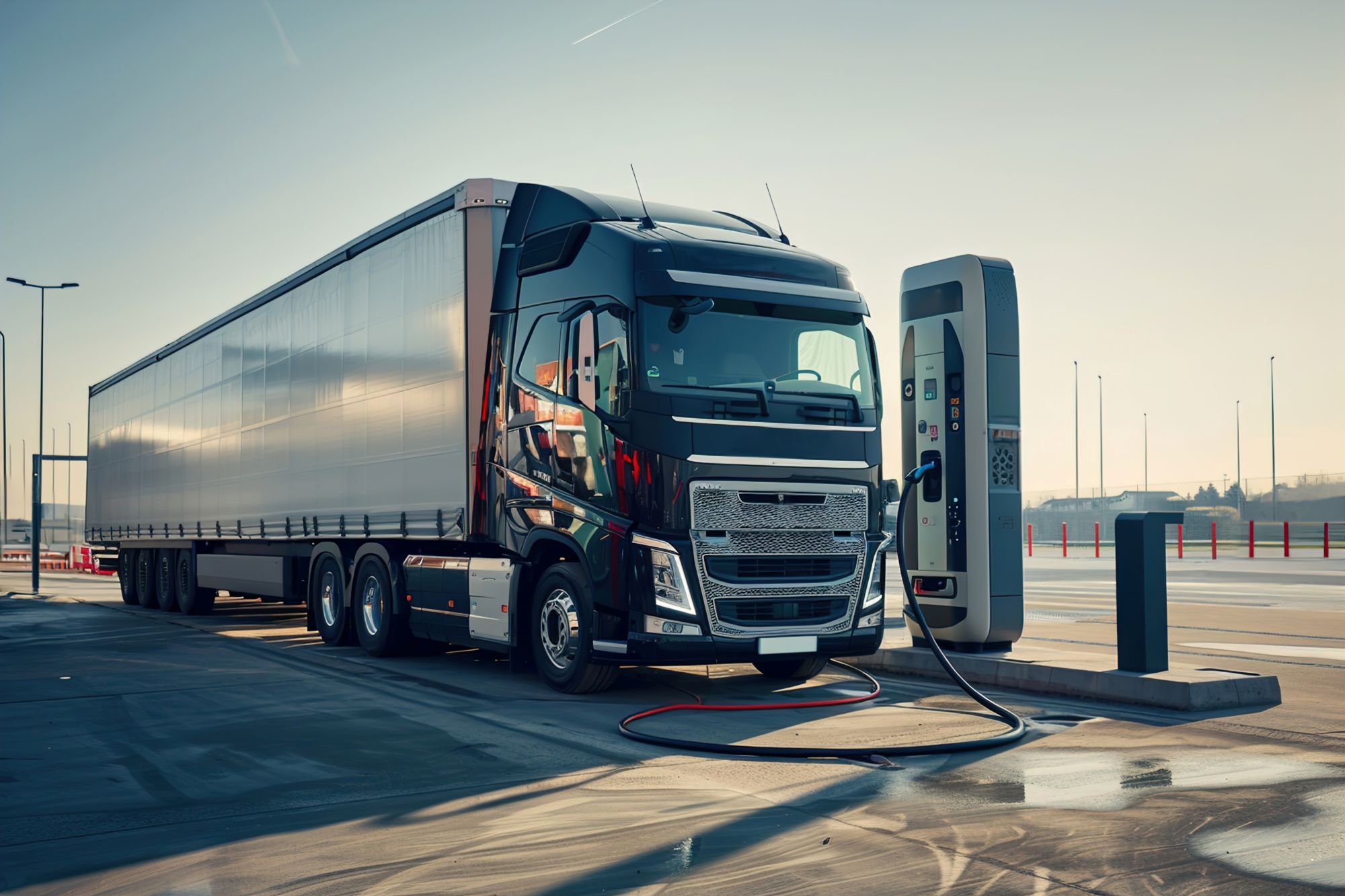
Elektrische vrachtwagens zijn op lange termijn de toekomst van het wegtransport. Niet alleen zijn ze na verloop van tijd goedkoper in het gebruik, maar omdat er in hoog tempo in nieuwe infrastructuur wordt geïnvesteerd en gebouwd, zullen ze ook financieel en strategisch veel levensvatbaarder worden.

Naast de economische voordelen zijn elektrische vrachtwagens ook belangrijk vanwege hun bijdrage aan milieudoelstellingen zoals 'Net Zero'. Aangezien traditionele vrachtwagens grootschalige vervuilers zijn, zal de [bespaarde uitstoot] (https://snapacc.com/newsroom/the-road-to-sustainability-the-european-emissions-challenge-within-the-transport-sector/) door eHGV's voelbaar zijn in schonere lucht in heel Europa.

De [volgende trends] (https://snapacc.com/newsroom/the-road-ahead-for-2025-truck-industry-trends-to-expect/) lijken in de toekomst van invloed te zullen zijn op elektrische vrachtwagens:

  • Smart truck parks: Truck parks in the future will evolve to better accommodate eHGVs alongside other smart technological advancements. These truck parks may include up-to-date ultra-fast charging stations, diagnostic machines, battery swap stations, and automated cleaning services, among other features.
  • Increased EU regulations: Low Emission Zones (LEZs) already exist in a number of cities (e.g. Paris, Berlin, and Milan) with more European cities likely to follow suit with more stringent EU transport regulations. Fleet operators may opt for eHGVs to meet EU regulations or retrofit their HGVs with cleaner technologies, like smart tachographs.
  • AI implementation: AI technology has already had a profound sustainability impact across road haulage — with applications in route optimisation, predictive maintenance, and autonomous vehicle development. Electric vehicles will likely incorporate AI to help drive sustainability in the haulage industry over the coming decades.
  • Sustainability: The shift to eHGVs is part of a wider global push toward sustainable living. The effects of extreme weather, including heatwaves and floods across Europe, show no sign of slowing due to climate change. Moving to electric HGVs is one way the world is reducing its dependence on fossil fuels.
  • Fuel variety: During the transition to cleaner fuel sources, there will be a variety of HGV types on the road throughout the 2030s. Many will be older diesel models, some will be electric, and others will be powered by alternative fuels such as biofuel made from renewable biomass sources.

Slimmer omgaan met eHGV-kosten

Elektrische vrachtwagens zijn de toekomst, daar bestaat weinig twijfel over. Door de economische en milieuvoordelen zullen meer wagenparkbeheerders en chauffeurs de komende jaren overstappen op eHGV's. Hoe lang deze overgangsperiode zal duren, hangt af van hoe snel Europa zijn laadinfrastructuur voor eHGV's kan ontwikkelen.

Er zijn momenteel grote delen van het continent waar eHGV's niet levensvatbaar zijn en uitgebreide routeoptimalisatie vereisen vanwege hun kleinere actieradius. Bovendien kunnen de aanloopkosten onafhankelijke chauffeurs en kleinere wagenparkbeheerders afschrikken.

De technologie en infrastructuur zullen blijven verbeteren en er zijn al diensten ontwikkeld om het beheer van eHGV-vloten en de bijbehorende kosten zo eenvoudig mogelijk te maken. Van routeoptimalisatie en vlootbeheer tot parkeerkaarten en wasstraten voor vrachtwagens, SNAP maakt trucking eenvoudig.

Schrijf je vandaag nog in voor SNAP.

Deel naar

Anderen lezen ook...

Header Image

woensdag 15 april 2026 • Industrie Nieuws

LADINGDIEFSTAL IN EUROPA: WAAROM HET AANTAL GEVALLEN TOENEEMT EN HOE VLOTEN HET RISICO KUNNEN VERKLEINEN

Guest

Cargo theft is a growing threat across Europe. What was once seen as an occasional disruption is now a more persistent and organised risk to road transport, affecting fleets, drivers and the wider supply chain. Reported losses and incidents have risen sharply, with one widely cited industry figure pointing to a in recent years. In alone, 557 cargo crimes were recorded across 38 countries in the TAPA EMEA Intelligence System, and even though values were disclosed for fewer than one in five incidents, those 100 cases still totalled more than €43 million.In this article, we explore the current trends and what fleet managers and operators can do to minimise their risks.Food and beverage shipments are among the most commonly targeted categories in Europe, accounting for . also rank highly. These goods are attractive because they are easy to move, easy to sell and often difficult to trace once they enter secondary markets.The recent on its way from Italy to Poland is a useful example. Nestlé said the missing load amounted to roughly 413,793 bars, showing how quickly a mainstream consumer shipment can become a target when moving across borders.These shipments are attractive targets for organised groups because they can be offloaded quickly, resulting in rapid returns. Cargo crime often happens while loads are moving. report found that hijackings accounted for 21% of incidents, while 41% of thefts happened in transit. That is a reminder that risk does not begin when a truck parks for the night. It can begin long before a vehicle stops for the night, particularly on exposed corridors or routes where load visibility and security controls are weaker.Parked vehicles remain a major point of vulnerability. In the UK, Munich Re reported that nearly half of all thefts take place at unsecured roadside parking and rest areas. Across Europe, unsecured roadside locations and rest areas continue to feature prominently in cargo crime reporting, especially where drivers have limited alternatives and secure sites are full.Some of the most concerning incidents show coordination. recently documented attacks in Germany in which dozens of trucks were targeted in a single night along the A1 corridor. In one November 2023 incident, 67 trucks had trailers slashed at service and rest areas including Ostetal South and Grundbergsee South. Similar attacks had already taken place on the same route months earlier.Germany remains one of the clearest hotspots, largely because of the scale of freight passing through the country. Analysis showed that in 2023, more than double France in second place. Other recurring hotspots include France, Italy, Spain and the United Kingdom. That pattern reflects the reality of European freight movement. Dense logistics networks, major freight hubs and heavily used motorways create more opportunities for organised criminals, especially when secure parking capacity fails to keep pace with demand.Munich Re warns that cargo thieves are increasingly using more sophisticated methods, including identity deception, cyber-enabled scams and other tactics that bypass traditional controls. Wider points to GPS jamming, paperwork manipulation and shipment diversion as part of that shift.A stolen load may now begin with compromised data, a fraudulent carrier, a diverted instruction or a vehicle whose movements can no longer be tracked properly. For fleets, that means theft prevention now involves more than physical security. It also requires tighter dispatch processes, better control over shipment data and clearer real-time visibility.The most obvious impact is financial. Stolen goods lead to lost goods, insurance claims and disruption. But the direct value of the missing load is only part of the problem. Delayed deliveries, vehicle damage, missed slots and customer dissatisfaction can all push the true cost much higher. There is also a human cost. Drivers may face intimidation, confrontation or the shock of discovering that their vehicle has been tampered with while they were resting. Even where there is no direct violence, exposure to insecure roadside stops creates stress, fatigue and a sense of vulnerability that can affect driver welfare and retention. Operationally, the knock-on effects spread quickly through the supply chain. A single theft can mean missed delivery windows, rerouted vehicles, stock shortages and added pressure on already stretched teams. For temperature-sensitive, time-critical or high-value loads, the consequences can multiply fast.There is no single fix, but fleets can reduce exposure with a more structured approach to planning, parking and security.Secure parking remains one of the clearest areas for improvement. TAPA’s Parking Security Requirements framework provides an internationally recognised benchmark for secure truck parking, helping operators assess which locations offer stronger protection for vehicles, loads and drivers. Choosing accredited sites will not eliminate cargo theft, but it can significantly reduce the opportunity for organised criminals to strike.In practice, that may mean stopping earlier than planned to reach a safer site rather than pushing on to an unsecured lay-by. While that can feel less efficient in the moment, it is often the more resilient choice.For fleets, the challenge is not just knowing secure parking matters but being able to access it easily. SNAP helps bridge that gap by giving drivers and operators better visibility of trusted parking options across the UK and Europe, making it simpler to plan and reserve safer stops from the outset.Read more: Cybersecurity now sits alongside physical security in any serious theft-prevention strategy. Tracking, geofencing and anti-jamming tools can all help, but only if they are backed by clear processes. Fleets should review how shipment data is shared, who can alter route instructions, how delivery paperwork is verified and what happens if a vehicle suddenly disappears from view. Drivers are often the last line of defence, but they should not carry the burden alone. Clear escalation procedures, regular check-ins, secure rest planning and training on suspicious activity all matter. One of the biggest structural issues behind cargo theft is the shortage of secure truck parking. When drivers cannot find protected sites with proper lighting, access control and welfare facilities, they are more likely to end up in the very locations thieves are already targeting. SNAP has trained working to accredit more parking sites across the UK and continental Europe, helping expand the availability of secure truck parking and reduce opportunities for organised theft.For fleets, the challenge is not just understanding risk, but building safer stopping decisions into everyday operations. At SNAP, we help drivers and operators identify trusted parking options across the UK and Europe, making it easier to plan routes with security and driver welfare in mind.

Header Image

woensdag 11 maart 2026 • Industrie Nieuws

VRACHTWAGENPARKEREN IN EUROPA: DE REGELS, DE GATEN, DE RISICO'S

Guest

Ask most fleet operators what makes life harder than it needs to be and you’ll hear the same answer across Europe: truck parking.Drivers have to stop. Hours rules and rest requirements make that non-negotiable. But on many of Europe’s busiest transport corridors, finding a safe, legal place to park is still uncertain. Capacity is low, security varies widely and most urban hubs aren’t built with HGVs in mind.That pressure has consequences. When designated areas are full, drivers are pushed towards places that were never intended for HGV parking: slip roads, access ramps and industrial estates. Compliance becomes a choice between two risks: stop where you shouldn’t, or keep driving when you shouldn’t.When truck parking overflows into unsuitable places, the environment becomes dangerous: poor visibility, high speeds, unpredictable manoeuvres and limited escape routes. starkly in February 2026, reporting fatal crashes in Germany and Belgium involving stationary lorries. The article challenges the easy explanation of “illegal parking” and points back to the underlying cause: drivers were out of driving time and the spaces were gone.In addition, a shortage of truck parking in Europe doesn’t just mean “no space”; it often means the only available space is poorly lit, unmonitored and isolated. That elevates the risk of theft and driver harm, which can have a knock-on effect for supply chain reliability.Poor parking provision also affects workforce sustainability. When drivers face uncertainty around legal, safe stopping, it makes the role harder and less attractive – compounding .For a long time, the conversation about truck parking focused on enforcement: where you can’t park and the penalties that follow. Increasingly, the focus is moving towards provision: where drivers can stop safely, reliably and legally. Under revised Trans-European Transport Network (TEN-T) rules, EU Member States must ensure the development of certified secure parking . The same requirement sets expectations for the location of truck parking. It must be immediately on the network or within 3km of an exit, which will have benefits for route planning. Alongside this shift, the European Commission positions safe and secure truck parking as a priority within its Intelligent Transport Systems work, including the need for to help drivers locate suitable sites.But the EU isn’t just asking Member States to add more truck parking spaces. It’s also defining what “safe and secure” means. In April 2022, the European Commission adopted EU standards for , categorising sites into four security levels: bronze, silver, gold and platinum. The intention is to create transparency for drivers and fleets, and to support investment by giving operators a clear target to design and audit against.This sits against a significant capacity gap. A European Commission study estimates a across the bloc, with the gap potentially rising towards half a million by 2040 if the network does not scale at the pace freight demand requires.Looking at more practical aspects of the situation, what are HGV parking rules and regulations in Europe?At first glance, HGV parking rules across Europe look consistent: Motorways are not designed to absorb overflow parking. Hard shoulders exist for emergencies and safety buffers. Access ramps are not for planned stopping.Urban areas add a layer of complexity. Local restrictions and enforcement are common because HGV parking competes with residents, retail and public space – and because badly parked vehicles create safety risks.Rules around HGV parking in the UK are clear. Trucks should use designated areas such as motorway services, truckstops and lorry parks. Conversely, drivers must avoid parking in locations that create risks, such as pavements, verges and central reservations. Restrictions around parking in residential areas vary by local authority, so it’s vital to check if this is unavoidable. The major constraint is supply. The RHA’s estimate of an , with very high utilisation on key routes, helps explain why informal and unsafe parking persists even where drivers know it isn’t ideal. In 2022, the Department for Transport across England, aimed at better rest areas and more secure parking, framed as part of a broader programme to improve roadside facilities.In Germany, motorway stopping rules are anchored in the (StVO), which makes clear that stopping on the autobahn – including the hard shoulder – is prohibited except in emergencies. That means running out of driving time is not treated as justification. Fines increase if obstruction or danger is caused, and enforcement is active on heavily used corridors. Poland follows the familiar motorway rule that hard shoulders are reserved for breakdowns and emergencies. The nuance appears within cities, where tonnage-based entry restrictions and are common. Overnight HGV parking in urban areas can require municipal approval and enforcement varies between municipalities. For cross-border fleets, that means treating urban stopping as permission-led rather than assumed.France reinforces the same principle through the . Articles R417-9 and R417-10 classify dangerous or obstructive parking offences, and stopping on autoroute carriageways or shoulders is prohibited except in cases of absolute necessity. Penalties can include fines and licence points.However, publishes dedicated information for secure truck parking on its network, reflecting how motorway operators guide HGV stopping into appropriate locations.Spain’s prohibits stopping on motorway shoulders except in emergencies, aligning with broader European practice. Additional complexity lies at municipal level. Many cities operate local overnight bans or restrict HGV parking to designated industrial zones, with enforcement handled by local police rather than motorway authorities. That creates a layered compliance environment: legal on the motorway network does not automatically mean legal in urban areas.To highlight positive developments, that a truck parking facility in La Jonquera became the first in Spain to receive TAPA certification, describing measures such as controlled access, fencing, lighting and continuous monitoring.Italy distinguishes clearly between motorway carriageways, ramps and designated service areas. Stopping on access or exit ramps is explicitly prohibited, and enforcement around motorway infrastructure is consistent. Importantly, Italy differentiates between aree di servizio (full service areas with facilities) and simpler rest or parking lay-bys, which may not support overnight welfare needs. However, Italy is also seeing new secure truck parking developments focused on welfare and security, reflecting the wider European momentum towards better provision.Across Europe, an additional regulatory layer now shapes truck parking decisions: Low Emission Zones (LEZs) and restricted urban traffic zones. Cities in France (Crit’Air), Germany (Umweltzonen), Spain (Zonas de Bajas Emisiones) and Italy (ZTL areas) impose vehicle-class or permit requirements that can apply even to stationary vehicles within the zone. A driver who parks overnight in a restricted area without the correct classification or registration risks fines – even if the stop itself is otherwise legal. Across Europe in 2026, the rules are clear. The constraint is capacity, especially near urban hubs and on high-volume corridors. For fleets, this has a practical impact: European truck parking can’t be left to chance at the end of a shift. It needs to be planned with the same seriousness as , routing, driver hours and security – because when the network fails to provide legal space, every other compliance system gets squeezed.SNAP can help. .

Header Image

donderdag 26 februari 2026 • Industrie Nieuws

VROUWEN IN DE TRANSPORTSECTOR: ONBENUT TALENT ONTSLUITEN

Guest

Across the UK, around . They transport food to supermarkets, materials to construction sites and goods to ports and distribution centres. They underpin daily life and economic stability, forming a critical part of the UK’s national infrastructure.Yet only around . That amounts to roughly one per cent of the UK HGV workforce, according to reporting by . For an industry facing long-term recruitment pressure, that figure raises important questions about where future talent will come from and how the sector presents itself to potential entrants.There are signs of progress, however. The percentage of from 6.7% in 2011/12 to 9.7% by 2021/22. Over the past decade, women securing Category C and C+E licences increased by 144%, according to SME Web. More women are clearly choosing to train and qualify. The pipeline is widening, but the proportion of women behind the wheel remains marginal.Women have not been entirely absent from road transport. One of the earliest recorded female truck drivers was, who began driving heavy vehicles in the United States in 1918. During wartime periods in both the US and the UK, women stepped into transport roles out of necessity. Then, in the 1960s, became the UK’s first long-distance lorry driver, often working 100-hour weeks.However, outside exceptional circumstances, haulage has traditionally been male dominated. Cultural perceptions, physical assumptions about the work and the lifestyle associated with long distance driving have all played a part. Only in recent decades has participation begun to shift in a more sustained way.The reasons for low female participation are not limited to awareness. Structural and practical barriers remain.Facilities are a big concern. Professional drivers depend on secure parking, clean rest areas and appropriate welfare provision. For many years, roadside infrastructure has struggled to meet demand across the board. When rest stops are inadequate, poorly lit, feel unsafe or lack privacy, this can discourage women from joining the sector.Working patterns also play a role. Long-haul journeys can involve overnight stays and time away from home. While many drivers value the independence that comes with the role, the perception of work-life balance may deter some women, especially those with caring responsibilities. There is also the issue of visibility. When only one per cent of drivers are women, prospective candidates may struggle to see themselves in the sector. In addition, menopause symptoms such as fatigue, sleep disruption, hot flushes and anxiety can be difficult to manage in roles that involve long hours, limited access to private facilities and time away from home. In sectors where welfare provision is already under pressure, a lack of understanding or practical support can lead to experienced drivers leaving the workforce.For haulage, this is not a peripheral issue. Retaining experienced drivers is as important as attracting new entrants. Change is not confined to driving roles. Across the broader transport and logistics ecosystem, women are increasingly visible in management, planning and policy functions.The shows that leadership representation by women has increased from 26% to 36% in recent years. However, much of this growth has taken place outside core operational functions. Senior representation within frontline transport roles remains comparatively limited.Several industry organisations are addressing this gap. Women in Transport offers mentorship opportunities, while everywoman recognises excellence through its , raising the profile of female professionals across the sector. The Chartered Institute of Logistics and Transport has also announced a new , aimed at supporting career progression and professional networks.Alongside this, community initiatives such as demonstrate that interest and engagement are growing. The spotlighting female drivers and employees, further increasing visibility. Collectively, these platforms help challenge outdated perceptions and provide practical support for women entering or advancing within the industry.For the UK haulage sector, this is not just a diversity conversation. It is a strategic one.Previous industry reporting has highlighted the scale of recruitment pressure across logistics. The that tens of thousands of new drivers will be required in the coming years to maintain supply chain stability. At the same time, the existing workforce is ageing.With only one per cent of drivers currently women, a significant proportion of the potential labour market remains underrepresented. If participation rates were to move closer to parity with the wider workforce, the impact on recruitment could be substantial.There is also evidence that inclusive cultures contribute to improved retention and engagement. A sector that demonstrates visible progression pathways, fair access to training and appropriate welfare provision is likely to appeal more broadly across demographics.Progress will not accelerate through awareness alone. Structural changes are needed.Investment in safe, well maintained roadside facilities is fundamental. Secure parking, adequate lighting and clean welfare amenities benefit all drivers and remove avoidable barriers to entry.Flexible working models, where operationally feasible, can broaden appeal. This may include regional route design, job sharing arrangements or clearer progression pathways from warehouse and planning roles into driving positions.Funded licence pathways and apprenticeships can also reduce financial barriers. As previously outlined, the cost of training can be significant. Targeted funding initiatives aimed at underrepresented groups can support a more balanced intake.Finally, transparency around workforce data matters. Publishing gender breakdowns, monitoring progression rates and setting measurable objectives signal that inclusion is being taken seriously.International Women’s Day provides an opportunity to reflect on how far the UK haulage industry has come and how far it still has to go. The rise in female licence acquisition and test pass rates demonstrates that interest exists. Leadership representation is improving in some areas and support networks are expanding. However, the scale of underrepresentation remains stark.Haulage is central to national resilience. It keeps shelves stocked, infrastructure projects supplied and trade flowing. Ensuring that this workforce reflects the full breadth of available talent is not simply a question of equity. It is a matter of long term sustainability.Supporting women in haulage also means improving the day-to-day realities of life on the road. Access to secure parking, well-lit rest areas and appropriate facilities is fundamental to retention and wellbeing for all drivers. SNAP’s intruck app helps all drivers locate and book trusted truck stops across the UK and Europe, giving fleets greater visibility and drivers greater confidence wherever their route takes them. .