Guest
Industrie Nieuws • 9 min lezen

Brandstof vs lading: Is de overstap naar elektrisch goedkoper of gewoon groener?

Gemaakt: 28-07-2025

Bijgewerkt: 19-09-2025

De groei van elektrische laadstations voor vrachtwagens in heel Europa heeft geleid tot een overgangsperiode op de uitgebreide wegennetten van het continent. Voor veel wagenparkbeheerders en chauffeurs zijn klassieke vrachtwagens op diesel nog steeds het favoriete transportmiddel. De overstap naar elektrische vrachtwagens komt echter steeds dichterbij, omdat de sector zich blijft ontwikkelen.

Om de haalbaarheid van de overstap van wagenparkbeheerders van diesel naar elektrisch te beoordelen, heeft SNAP onderzoek gedaan naar de kosten van het opladen van vrachtwagens versus het tanken ervan op verschillende Europese vrachtroutes. We berekenden de besparingen van elektriciteit versus diesel in euro's per 100 km in 35 Europese landen.

We ontdekten dat IJsland de weg aanvoert met een gemiddelde kostenbesparing van €61,03 per 100 km, waarbij Scandinavische medelanden Noorwegen en Finland respectievelijk de tweede en derde plaats innemen. Aan de andere kant van de schaal bood Kroatië de minste kostenbesparingen met €19,96 per 100 km, gevolgd door Cyprus en Moldavië.

In dit artikel leggen we de kostenbesparingen per Europees land bloot en analyseren we enkele van de kostenbesparingen per Europees land en analyseren we enkele van de externe factoren die deze besparingen kunnen beïnvloeden. We duiken ook in hoe de toekomst van eHGV's in Europa eruit zou kunnen zien en hoe eHGV's wagenparkbeheerders en bestuurders kunnen helpen geld te besparen, vooral met [bestuurdersbudgetten] (https://snapacc.com/newsroom/a-truck-drivers-guide-to-budgeting/).

Hoe de eHGV en dieselkosten zich in de EU verhouden

Uit ons onderzoek bleek dat in elk onderzocht Europees land het gebruik van een eHGV met elektrische oplading geld bespaarde in vergelijking met het gebruik van een traditionele vrachtwagen met brandstof. Het grootste verschil was de mate waarin de kostenbesparingen varieerden. Zo is de prijs voor elektriciteit in het duurste land, IJsland, 206% hoger (41 euro hoger) dan in het goedkoopste land, Kroatië.

We ontdekten dat een bestuurder met een elektrische vrachtwagen gemiddeld €30,59 per 100 km bespaart in vergelijking met een vrachtwagenchauffeur die op diesel rijdt. Dit komt neer op een geschatte gemiddelde besparing van €37.200 per jaar voor langeafstands elektrische vrachtwagenchauffeurs en €24.800 voor binnenlandse chauffeurs.

Om onze gegevens samen te stellen, keken we naar 35 Europese landen en vergeleken we de energie- of brandstofkosten per 100 km voor twee soorten vrachtwagens. Dit waren een standaard dieselvrachtwagen, uitgaande van een brandstofverbruik van 35 liter per 100 km tegen de gemiddelde dieselprijs in elk land, en een elektrische vrachtwagen, uitgaande van een elektriciteitsverbruik van 108 kWh per 100 km op basis van het gemiddelde elektriciteitstarief voor niet-huishoudelijke apparaten. BTW en terugvorderbare belastingen zijn niet meegenomen in deze berekeningen. De vergelijking weerspiegelt alleen de directe kosten "aan de pomp" of "aan de stekker", zonder rekening te houden met factoren zoals de omvang van het wagenpark, onderhandelde energiecontracten of toekomstige veranderingen in brandstof- en elektriciteitsprijzen.

Bij het onderzoek naar de prijsstelling voor diesel en elektriciteit is gebruik gemaakt van een aantal bronnen, waaronder Eurostat, CEIC, GlobalPetrolPrices, Webfleet, en Gov.uk. Het is vermeldenswaard dat sommige van deze bronnen verwijzen naar 'Groot-Brittannië', terwijl andere verwijzen naar het 'VK'. In dit onderzoek zijn beide termen door elkaar gebruikt.

Landen die het meest besparen door over te schakelen op elektrische vrachtwagens

IJsland (€61,03), Noorwegen (€49,31) en Finland (€49,12) zijn momenteel de landen waar het meest kan worden bespaard door over te schakelen op elektrische vrachtwagens.

Dit is grotendeels te wijten aan het feit dat deze landen tot de duurste landen in Europa behoren voor diesel. IJsland is het duurste land in Europa voor diesel (€2,07 per liter). Deze hoge kosten zijn grotendeels te wijten aan de geografische isolatie ten opzichte van de rest van Europa, waardoor de kosten voor het importeren van diesel veel hoger zijn dan die van andere Europese landen. IJsland staat net als Noorwegen en Finland bekend om zijn hoge belastingtarief, dat ook bijdraagt aan de hoge brandstofkosten.

Noorwegen (32%) en IJsland (18%) staan ook in de top twee van landen ter wereld wat betreft het aandeel elektrische auto's op de weg. Als gevolg daarvan hebben beide landen aanzienlijk geïnvesteerd in elektrische oplaadinfrastructuur.

De geringe omvang van IJsland en de grote ringweg maken het ook gemakkelijker om op regelmatige afstanden elektrische laadstations te installeren voor elektrische vrachtwagenchauffeurs. Dezelfde redenering kan gedeeltelijk worden gebruikt voor andere landen met kleinere netwerken die een hoge mate van kostenbesparing hebben, waaronder Albanië, Servië en België - hoewel moet worden opgemerkt dat alle drie ook enkele van de duurste dieselprijzen in Europa hebben, wat bijdraagt aan het verschil in kostenbesparing.

De onderstaande grafiek toont de top 10 van landen met de grootste kostenbesparingen bij het gebruik van een elektrische vrachtwagen:

(https://prodsnapstorage.blob.core.windows.net/public-news/fd4f8e5f-df90-4ba7-a05c-37abba0ae38f-image.png)

(https://prodsnapstorage.blob.core.windows.net/public-news/40cf839a-db2e-4002-a9c6-14f316216ca7-image.png)

"Chauffeurs in heel Europa besparen al door over te schakelen op elektrische vrachtwagens. Overschakelen op het opladen van eHGV's is de toekomst van de sector en SNAP staat klaar om chauffeurs en wagenparkbeheerders te helpen bij de overgang."

Matthew Bellamy - Managing Director bij SNAP

Landen die het minst besparen door over te schakelen op elektrische vrachtwagens

Kroatië (€19,96), Cyprus (€21,16) en Moldavië (€22,72) zijn momenteel de drie landen met de laagste kostenbesparingen in Europa.

Kroatië heeft de [op één na traagste EV-adoptiegraad] (https://www.smf.co.uk/wp-content/uploads/2025/03/Decreasing-transport-poverty-in-Europe-through-public-EV-chargepoints-March2025.pdf) in de EU na Polen. Dit is deels te wijten aan de gebrekkige oplaadinfrastructuur voor EV's in Kroatië, zoals oplaadstations waarvoor je de klantenservice moet bellen of verschillende apps moet gebruiken om het oplaadproces te starten, slechte aanwijzingen voor oplaadstations buiten de grote snelwegen en mogelijk lange wachttijden tijdens het hoogseizoen voor toeristen. Bovendien zijn er in Kroatië geen ultrahogesnelheidsoplaadstations (180 kW en meer), wat een probleem kan vormen voor elektrische vrachtwagens die meer vermogen nodig hebben dan de gemiddelde EV.

Zowel Cyprus als Moldavië hebben interne geopolitieke problemen die de infrastructuurplanning voor het opladen van elektrische voertuigen (en nationale planning in het algemeen) moeilijk maken. Op Cyprus is de noordelijke helft van het eiland - inclusief de helft van de hoofdstad Nicosia - sinds 1974 bezet door de Turkse-gesteunde Turkse Republiek Noord-Cyprus. Voor Moldavië fungeert de oostelijke provincie Transnistrië als een de facto staat met een eigen regering. Dit betekent dat beide landen de EV-infrastructuur niet op een consistente manier kunnen implementeren in het gebied dat ze als hun eigen grondgebied beschouwen.

De problemen in Cyprus worden nog verergerd door de hoge elektriciteitskosten, terwijl Moldavië de op vier na goedkoopste dieselprijs in Europa heeft. Moldavië is ook het [op één na armste land van Europa] (https://worldpopulationreview.com/country-rankings/poorest-countries-in-europe), waardoor investeringen in EV-infrastructuur een uitdaging vormen. Al deze factoren dragen bij tot een algemene lage kostenbesparing voor elektrische vrachtwagens.

Polen staat ook laag op de lijst met een kostenbesparing van €24,22. Ondanks de indrukwekkende economische groei en de toenemende investeringen in EV-laadinfrastructuur, betekent de grote omvang van het land dat de dekking nog steeds een probleem is in bepaalde delen van het land - hoewel het ernaar uitziet dat dit in de toekomst zal veranderen.

Landen als Spanje (€32,20), Roemenië (€30,62) en Ierland (€30,54) nemen een middenpositie in als het gaat om kostenbesparingen voor elektrische vrachtwagens. Dit is waarschijnlijk te danken aan het feit dat in deze landen de infrastructuur voor het opladen van elektrische voertuigen groeit en de elektriciteits- en dieselkosten gemiddeld geprijsd zijn.

De onderstaande grafiek toont de top 10 van landen met de laagste kostenbesparingen bij het gebruik van een elektrische vrachtwagen:

(https://prodsnapstorage.blob.core.windows.net/public-news/f8f4af0d-5895-4829-97c7-33d9ff420551-image.png)

Kostenbesparingen van elektrische vrachtwagens in het VK

Het Verenigd Koninkrijk heeft een kostenbesparing van €36,23** voor eHGV's, waarmee het op de 11e plaats staat voor kostenbesparingen door opladen per 100 km. Dit is grotendeels te wijten aan de hoge brandstofprijzen in het VK, met dieselprijzen die op twee na het duurst zijn in Europa. Hoewel de besparingen door de hoge dieselkosten zeker bijdragen aan de hoge besparingen op de kosten van eHGV's in het VK, zouden deze waarschijnlijk veel hoger zijn als de elektriciteit in het VK niet ook tot de duurste in Europa zou behoren.

Het VK verwacht ook verbeteringen aan de infrastructuur voor het opladen van EV's. Het Britse snelwegbedrijf Moto is actief van plan om 15 'superhubs' te bouwen tegen 2027. Deze superhubs kunnen het opladen van EV's voor eHGV's efficiënter uitvoeren dan een standaard EV-lader. Er zijn momenteel minder dan vijf speciale oplaadpunten voor eHGV's op de Britse wegen. Met andere bedrijven zoals BP Pulse en Aegis Energy die ook willen investeren, ziet het ernaar uit dat het Verenigd Koninkrijk in de nabije toekomst een sterk verbeterd laadnetwerk voor vrachtwagens zal hebben.

Wat beïnvloedt de elektrificatie van vrachtwagens?

Op dit moment zijn er verschillende factoren die de elektrificatie van vrachtwagens belemmeren, waaronder een gebrek aan laadinfrastructuur, lange laadtijden, de hoge initiële kosten van het ombouwen van eHGV's en hun beperkte actieradius. Bovendien maken de relatief lage kosten en de toegankelijkheid van dieselbrandstof en -voertuigen traditionele vrachtwagens tot een aantrekkelijke optie voor [wagenparkbeheerders].(https://snapacc.com/fleet-operators/)

Al deze gevolgen kunnen echter variëren afhankelijk van het land waarin de vloot actief is. Als je wagenpark bijvoorbeeld alleen in eigen land rijdt in een land als Noorwegen of IJsland, dan zal het waarschijnlijk minder beïnvloed worden dan een wagenpark dat in heel Europa rijdt of in regio's met een slechtere eHGV-infrastructuur, zoals de Balkan.

Onvoldoende laadinfrastructuur

Het belangrijkste obstakel voor de elektrificatie van vrachtwagens is de ontoereikende oplaadinfrastructuur voor eHGV's. Dit komt omdat eHGV's opgeladen moeten worden met megawatt. Dit komt doordat eHGV's opladen op megawatt-schaal vereisen, wat de meeste bestaande oplaadpunten voor personenauto's (standaard elektrische auto's en bestelwagens) niet ondersteunen.

Er zijn veel landen in Europa die een groot gebrek hebben aan dergelijke infrastructuur, vooral op belangrijke vrachtroutes en bij stopplaatsen voor vrachtwagens. Dit zijn vaak armere landen in Zuid- en Oost-Europa, zoals Moldavië, Georgië en Bulgarije. Het is geen toeval dat deze landen in de top 10 staan wat betreft kostenbesparingen door eHGV.

Het kan ook zijn dat er wel oplaadstations voor eHGV's bestaan, maar dat die zich in gebieden bevinden waar 's nachts niet meerdere eHGV's kunnen opladen vanwege een zwak lokaal elektriciteitsnet. Dit is vaak een probleem in meer landelijke en afgelegen delen van Europa.

Hoewel veel Europese landen van plan zijn om de infrastructuur voor eHGV te verbeteren, is het nog steeds een tijdrovend en duur proces, met talloze bureaucratische, logistieke en technische obstakels die overwonnen moeten worden - om nog maar te zwijgen van de omliggende infrastructuurverbeteringen, zoals lokale netaansluitingen, die ook nodig zullen zijn.

Lange oplaadtijden

Het duurt veel langer om elektrische vrachtwagens op te laden dan standaard EV's. Dit betekent dat het opladen vaak 's nachts moet gebeuren. Dit betekent dat het opladen vaak 's nachts moet gebeuren. Zelfs als er snelle eHGV-laders kunnen worden aangeschaft, duurt het proces nog steeds minstens twee uur, in plaats van een paar minuten zoals bij benzinevoertuigen.

Deze lange laadtijd kan een domino-effect hebben voor wagenparkbeheerders in termen van doorlooptijden. In een sector met strakke leveringsschema's en deadlines kan dit schadelijk zijn voor de bedrijfsprestaties.

Beperkte actieradius van eHGV's

Elektrische vrachtwagens worden ook beperkt door hun relatief beperkte actieradius in vergelijking met traditionele vrachtwagens. Volgens Safety Shield heeft een typische elektrische vrachtwagen een actieradius van ongeveer 300 mijl op één lading (ongeveer de afstand van Londen naar Rotterdam). Een typische vrachtwagen met dieselmotor kan echter tot 1.000 mijl afleggen op één tank brandstof (ruwweg de afstand van Londen naar Warschau).

Het aantal afgelegde kilometers van elektrische vrachtwagens kan ook meer beïnvloed worden door externe factoren zoals lading, [koud weer] (https://snapacc.com/newsroom/a-truck-drivers-guide-to-winter-in-europe/) en terrein. Dit kan leiden tot afstandsangst bij bestuurders, die vaker moeten opladen om er zeker van te zijn dat ze genoeg vermogen hebben om hun bestemming te bereiken. Dit kan op zijn beurt leiden tot vertragingen bij leveringen, vooral wanneer er door landen wordt gereden met een slechte oplaadinfrastructuur voor eHGV's.

Dit alles maakt het routeoptimalisatie van vitaal belang voor wagenparkbeheerders die reizen plannen voor hun eHGV's. Opgemerkt moet worden dat de accutechnologie voortdurend evolueert en dat de capaciteit - en dus het aantal afgelegde kilometers - in de nabije toekomst zal blijven verbeteren.

Hoge kosten eHGV

De initiële kosten van een eHGV zijn hoog (meestal tussen £160.000-£200.000, vergeleken met £80.000-£100.000 voor een dieselvrachtwagen), wat onafhankelijke bestuurders en kleinere wagenparkbeheerders ervan kan weerhouden om er een te kopen. Dit is grotendeels te wijten aan de kosten van de batterijtechnologie. Dit betekent dat het duur zal zijn om een nieuwe elektrische vrachtwagen aan te schaffen omdat de technologie duurder is dan die van een dieselvrachtwagen.

De hoge initiële aanschafkosten van eHGV's betekenen ook dat wagenparkbeheerders in landen met goedkopere elektriciteitstarieven voor het opladen van eHGV's, zoals Noorwegen, Zweden of Finland, eerder geneigd zullen zijn om over te schakelen omdat ze hun investering sneller zullen terugverdienen dan die in landen met dure elektriciteit, zoals Ierland en Kroatië.

Elektriciteitsprijzen kunnen ook fluctueren als gevolg van verschillende gebeurtenissen. In de afgelopen vijf jaar fluctueerden de elektriciteitsprijzen bijvoorbeeld in reactie op de openstelling van de economieën na de COVID-19 pandemie en vervolgens de inval van Rusland in Oekraïne in 2022 (vooral dit laatste had grote gevolgen voor de Europese energievoorziening). Als gevolg hiervan was er een piek in de elektriciteitsprijzen van bijna 30%, van 20,5 c€/kWh, tot 26,5 c€/kWh voor de gemiddelde EU-hoofdstad in de periode na de invasie. Nu het EU-gemiddelde echter lager is dan in 2022, lijkt het erop dat elektrisch laden voor vrachtwagens zijn opmars zal voortzetten.

In heel Europa kost het gemiddeld €20,51 om een elektrische vrachtwagen 100 km te laten rijden - aanzienlijk goedkoper dan de €51,10 voor een dieselvrachtwagen over dezelfde afstand.

Naarmate de efficiëntie verbetert en de batterijtechnologie wijdverspreider en goedkoper wordt om te produceren, zullen eHGV's ook betaalbaarder worden om aan te schaffen.

Goedkoopheid en toegankelijkheid van diesel

Diesel speelt nog steeds een dominante rol in de vrachtwagenindustrie. Dit komt doordat de dieselinfrastructuur in Europa al tientallen jaren goed ingeburgerd is, vooral in vergelijking met elektrische laders voor vrachtwagens. Ook de compatibiliteit met [tankkaarten] (https://snapacc.com/newsroom/fuel-cards-in-transportation-how-snap-simplifies-fleet-life/) en de relatief lage prijs houden diesel populair bij vrachtwagenparkbeheerders.

Net als bij elektriciteit schommelt de waarde van diesel echter over het hele continent. Daarom kan het voordeliger lijken om vrachtwagens op diesel te laten rijden in landen als Moldavië, Georgië en Malta, waar diesel goedkoop blijft. Omgekeerd is er voor landen als IJsland en Nederland, waar diesel relatief duur is, een grotere stimulans om over te schakelen op een elektrische vrachtwagen.

Een land met goedkope brandstof kan ook meer aarzelen om zwaar te investeren in eHGV-infrastructuur uit angst de traditionele vrachtwagenvloten van zich te vervreemden, die daardoor alternatieve routes zouden kunnen kiezen.
De toekomst van elektrische vrachtwagens in Europa

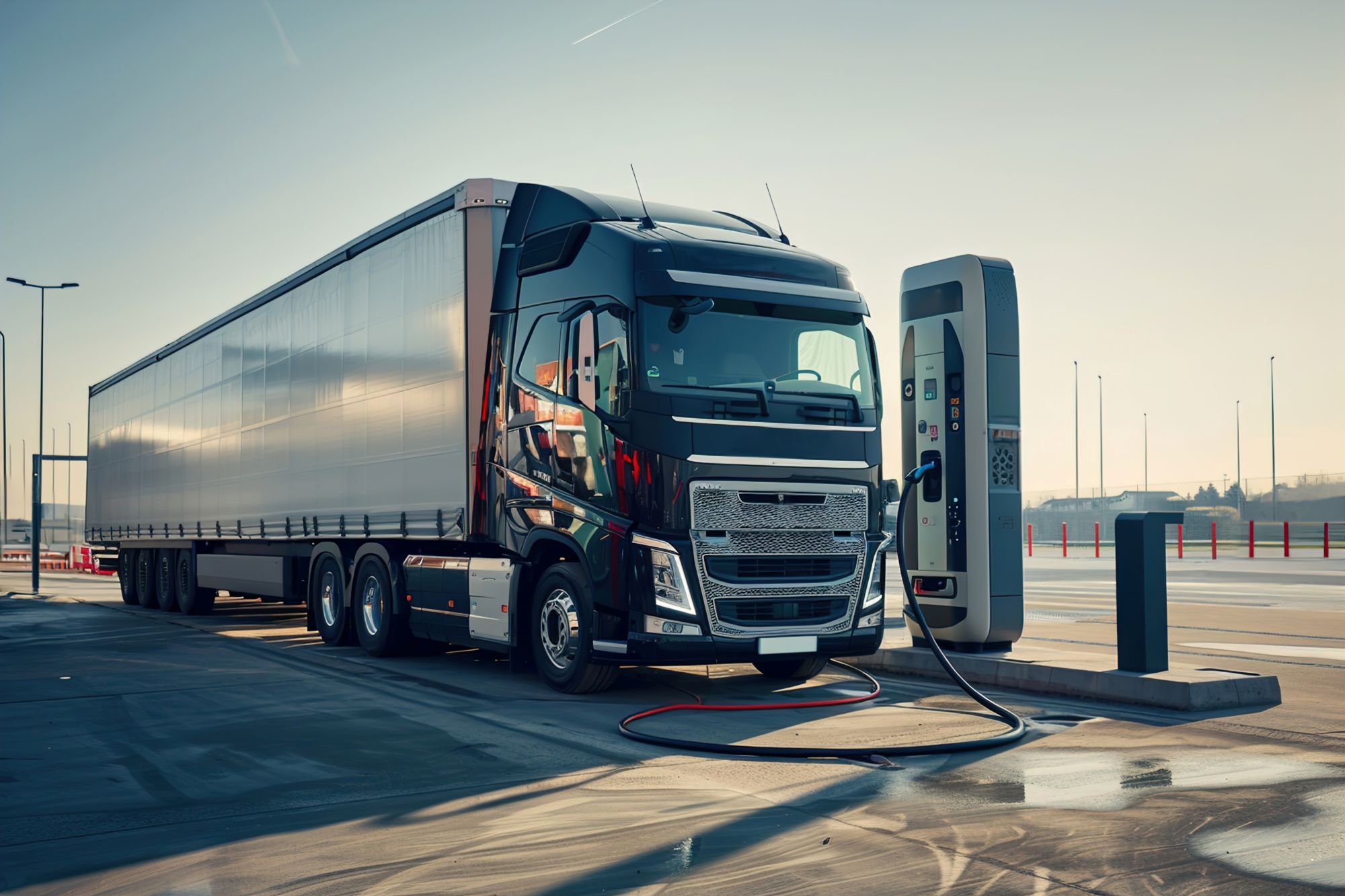
Elektrische vrachtwagens zijn op lange termijn de toekomst van het wegtransport. Niet alleen zijn ze na verloop van tijd goedkoper in het gebruik, maar omdat er in hoog tempo in nieuwe infrastructuur wordt geïnvesteerd en gebouwd, zullen ze ook financieel en strategisch veel levensvatbaarder worden.

Naast de economische voordelen zijn elektrische vrachtwagens ook belangrijk vanwege hun bijdrage aan milieudoelstellingen zoals 'Net Zero'. Aangezien traditionele vrachtwagens grootschalige vervuilers zijn, zal de [bespaarde uitstoot] (https://snapacc.com/newsroom/the-road-to-sustainability-the-european-emissions-challenge-within-the-transport-sector/) door eHGV's voelbaar zijn in schonere lucht in heel Europa.

De [volgende trends] (https://snapacc.com/newsroom/the-road-ahead-for-2025-truck-industry-trends-to-expect/) lijken in de toekomst van invloed te zullen zijn op elektrische vrachtwagens:

  • Smart truck parks: Truck parks in the future will evolve to better accommodate eHGVs alongside other smart technological advancements. These truck parks may include up-to-date ultra-fast charging stations, diagnostic machines, battery swap stations, and automated cleaning services, among other features.
  • Increased EU regulations: Low Emission Zones (LEZs) already exist in a number of cities (e.g. Paris, Berlin, and Milan) with more European cities likely to follow suit with more stringent EU transport regulations. Fleet operators may opt for eHGVs to meet EU regulations or retrofit their HGVs with cleaner technologies, like smart tachographs.
  • AI implementation: AI technology has already had a profound sustainability impact across road haulage — with applications in route optimisation, predictive maintenance, and autonomous vehicle development. Electric vehicles will likely incorporate AI to help drive sustainability in the haulage industry over the coming decades.
  • Sustainability: The shift to eHGVs is part of a wider global push toward sustainable living. The effects of extreme weather, including heatwaves and floods across Europe, show no sign of slowing due to climate change. Moving to electric HGVs is one way the world is reducing its dependence on fossil fuels.
  • Fuel variety: During the transition to cleaner fuel sources, there will be a variety of HGV types on the road throughout the 2030s. Many will be older diesel models, some will be electric, and others will be powered by alternative fuels such as biofuel made from renewable biomass sources.

Slimmer omgaan met eHGV-kosten

Elektrische vrachtwagens zijn de toekomst, daar bestaat weinig twijfel over. Door de economische en milieuvoordelen zullen meer wagenparkbeheerders en chauffeurs de komende jaren overstappen op eHGV's. Hoe lang deze overgangsperiode zal duren, hangt af van hoe snel Europa zijn laadinfrastructuur voor eHGV's kan ontwikkelen.

Er zijn momenteel grote delen van het continent waar eHGV's niet levensvatbaar zijn en uitgebreide routeoptimalisatie vereisen vanwege hun kleinere actieradius. Bovendien kunnen de aanloopkosten onafhankelijke chauffeurs en kleinere wagenparkbeheerders afschrikken.

De technologie en infrastructuur zullen blijven verbeteren en er zijn al diensten ontwikkeld om het beheer van eHGV-vloten en de bijbehorende kosten zo eenvoudig mogelijk te maken. Van routeoptimalisatie en vlootbeheer tot parkeerkaarten en wasstraten voor vrachtwagens, SNAP maakt trucking eenvoudig.

Schrijf je vandaag nog in voor SNAP.

Deel naar

Anderen lezen ook...

Header Image

dinsdag 16 december 2025 • Industrie Nieuws

WAT DE VERPLICHTE DIGITALE REGISTRATIE IN SPANJE BETEKENT VOOR VLOTEN IN EUROPA

Guest

Spain is preparing for one of the most significant transport reforms in its recent history. The Sustainable Mobility Law (Ley de Movilidad Sostenible), which received final approval in November 2025, will introduce mandatory digital records for road freight control documentation, creating a more transparent, enforceable and efficient system for domestic and international carriers. Although this is a major national change, it forms part of a wider trend. Across Europe, governments and operators are moving towards a fully digital freight environment as the EU prepares to implement the (eFTI).For fleets working in and out of Spain, this is the start of an important transition. It signals a future in which paper documentation becomes the exception rather than the rule and in which digital processes support faster checks, smoother operations and greater consistency across borders.While the Sustainable Mobility Law addresses wide-ranging transport reforms – from urban mobility to domestic flight restrictions – the provisions most relevant to international freight operators centre on digital documentation. A central section of the law introduces a mandatory digital “control document” for road freight. This includes the use of approved digital formats, such as the electronic consignment note (eCMR), which Spain has already ratified and treats as legally equivalent to the paper CMR note. The law aims to reduce administrative burdens, eliminate inconsistencies in paperwork and shorten the time required for checks and inspections. Rather than relying on handwritten notes or physical documents that can be misplaced, carriers will store, share and verify transport information digitally. For operators, this should mean fewer disputes over documentation, less ambiguity around compliance requirements and greater certainty when preparing for audits or regulatory reviews.In practice, the obligation focuses first on the digital control document used for roadside and regulatory checks, but it is expected to accelerate wider use of eCMR and other digital freight documents across the supply chain.The timeline for implementation will begin once the law is published in Spain's Official State Gazette. Carriers should expect the digital control document obligation to take effect roughly ten months after publication, making 2026 the likely year when full compliance will be required.The Mobility Law applies to road transport operations that fall under Spanish control rules on Spanish territory, not just Spanish-registered companies. Carriers will need to ensure their systems can produce and transmit digital records in compliant formats. Any delay in adopting digital documentation could slow down inspections or disrupt customer schedules.This means that foreign operators running international loads into, out of or through Spain should plan on being able to provide the required control document in digital form when requested by Spanish authorities.The Spanish reforms align closely with the EU’s eFTI Regulation, which will require Member States to accept digital freight documentation once the technical and certification rules are in place (from mid-2027). eFTI sets a unified framework for how information is structured, transmitted and verified. While it obliges authorities to accept digital records, it does not require operators to use them. Spain’s Mobility Law therefore goes further, making digital control documents mandatory for road freight.Under eFTI, carriers will be able to provide freight information electronically through certified platforms. Enforcement authorities will receive that information through secure digital channels. This should reduce administrative friction across the EU’s busiest freight routes.Spain is not alone in taking early steps. Several EU countries have already moved towards paperless freight systems and their experience demonstrates what a fully digital environment could look like.● The Netherlands has been one of the earliest adopters of eCMR and has trialled end-to-end digital workflows across different modes of transport. ● France also moved early, supporting digital documentation and faster roadside checks following its ratification of the eCMR protocol. ● In the Benelux region, Belgium, Luxembourg and the Netherlands are running a joint eCMR pilot and digital logistics corridor, illustrating how interoperable documentation can work across national boundaries.● Denmark and Sweden have operated national e-freight trials designed to simplify the sharing of transport information. Taken together, these examples show that Spain’s Mobility Law is part of a broader European transition. Rather than standing apart, Spain is moving in step with a continental shift towards digital documentation that aims to make road freight faster, more transparent and more consistent across borders.The move to digital records brings several practical advantages. Digital documents reduce the time drivers and enforcement officers spend handling paperwork and shorten inspections during roadside checks. This mirrors the benefits seen with the introduction of , which have reduced unnecessary stops for compliant drivers and improved the consistency of enforcement across Europe.Digital documentation also removes the errors that can arise from handwritten notes or damaged paper notes. Fleet managers can instantly retrieve records, resolve errors more easily and maintain clearer oversight of documentation across multiple routes. For operators managing complex schedules, this increased predictability supports better planning and stronger customer service.Drivers are likely to benefit too. A shift to digital records reduces administrative pressure and helps avoid disagreement at delivery points. With all documents stored digitally, drivers have a single source of truth that is accepted across the supply chain.Fleets may need to invest in updated transport management systems or integrate new tools that support digital documentation. Operators may require additional support and training to shift from paper-based processes to new digital workflows.There will also be a period of adjustment in which paper and digital systems may operate side by side. As eFTI becomes established across Europe, some countries will move faster than others. Operators travelling across different borders may encounter varying expectations, particularly in the early years.Throughout this transition, driver welfare should remain a priority. The administrative load associated with new processes often falls on drivers. Clear training and straightforward systems will be essential.Spain’s Mobility Law marks an important moment in the evolution of European freight. It reflects a sector that is modernising at speed and preparing for a future built on digital workflows rather than manual paperwork. Operators that begin preparing now will be in a strong position as Spain’s digital control document requirements take effect and eFTI comes into force across Europe.At SNAP, we support fleets across Spain and the wider continent with tools that make daily operations simpler and more predictable. The intruck app helps drivers locate and book secure parking along their route, which is particularly valuable as compliance processes evolve. If your fleet is preparing for Spain’s new requirements or the broader digital transition across Europe, SNAP is here to support every step of the journey.

Header Image

woensdag 10 december 2025 • Industrie Nieuws

DE BEGROTING VAN HET VERENIGD KONINKRIJK VOOR 2025: WAT BETEKENT DIT VOOR DE TRANSPORTSECTOR?

Guest

The arrives at a difficult moment for the road transport sector. Operators are working against rising wages and operating costs, tight margins, ageing infrastructure and ongoing pressures around recruitment. At the same time, the shift towards cleaner mobility is accelerating, creating new expectations and increasing the need for long-term investment.The following article outlines what the Budget means for infrastructure, investment, workforce costs and the wider operating environment for haulage.For many years, fleets have been affected by deteriorating roads, weight restrictions on ageing bridges and the growing unpredictability of journey times. Government and industry data makes this clear. More than one in every ten miles of network in England and Wales is likely to require maintenance within the next year, according to reporting, and the backlogs for resurfacing work continue to rise. These issues lead to vehicle damage, driver fatigue, higher insurance costs and disrupted schedules. They also place additional pressure on operators already dealing with narrow margins.The new Budget acknowledges these concerns. One positive step is the substantial funding for strategic national projects, including almost £900 million allocated to the , which should reduce congestion, provide more reliable journey times and a safer driving environment for HGVs.Local authorities will also receive a share of and address the growing number of potholes. This could make a noticeable difference for fleets. Local roads carry the majority of domestic freight and serve as the first and last mile of nearly every delivery. Improving them should reduce wear and tear on vehicles as well as operational strain. These commitments will not fix decades of underinvestment immediately, but they represent an important shift towards a road network that is more resilient and better suited to the realities of modern logistics.The Budget also places more focus on skills. for under-25s working in small and medium-sized businesses could help attract new entrants into a profession that urgently needs them. The driver shortage is well documented. The UK must recruit around in order to stabilise supply chains, and across Europe the average age of professional drivers continues to climb. Only a small proportion of drivers are under 25, and training costs have been a barrier for many younger candidates.Providing funded apprenticeships makes logistics more accessible at a critical time. It also supports smaller operators, who often struggle to invest in training despite needing to expand their teams. The Budget introduces further support for investment, particularly around fleet renewal. Operators installing charging infrastructure can take advantage of a 100% first-year allowance until March 2027. This will help offset the upfront cost of electric HGVs and depot charging equipment.From January 2026, a new 40% first-year allowance will be available on many main-rate assets, including trucks – particularly useful where full expensing or the Annual Investment Allowance don’t apply, such as some leased fleets and unincorporated operators.While the Autumn Budget contains several positive measures, operators will also need to plan for increasing costs. Fuel duty will rise in stages between the end of August 2026 and March 2027. Fuel is already one of the largest expenses for operators, and the planned rises are likely to increase the emphasis on fuel efficiency, telematics, consolidated routing and fleet renewal.Vehicle Excise Duty (Road Tax) will be uprated in line with inflation from April 2026, including for HGVs. From April 2028, a new Electric Vehicle Excise Duty (eVED) will also apply a mileage-based charge to battery-electric and plug-in hybrid cars, on top of existing VED. Although eVED initially excludes electric vans and trucks, it signals a longer-term shift toward distance-based taxation that fleets will need to factor into future planning.The HGV Levy will also return to rising with inflation. Vehicles over twelve tonnes must pay the levy before using A roads or motorways, and the revised rate will add another cost that fleets must factor into forward planning.Larger, higher‑value properties are also likely to feel more pressure from business rates changes. The Budget confirms permanently lower business rates for retail, hospitality and leisure, funded in part by higher charges on the most expensive commercial premises. These include big warehouses and distribution centres, so operators with large sites can expect proportionately higher bills over time than smaller depots or high‑street locations.In addition, the Budget introduces several measures that directly affect the financial landscape for operators and the people who run or work within haulage businesses. Labour already represents one of the sector’s highest costs, and these changes will shape payroll planning, staff retention and the personal finances of many owner-operators.Minimum wage increases mean that employers will face higher staffing costs across warehousing, last-mile logistics and support roles. Many operators have already tackled wage rises in recent years, and this further uplift will add pressure at a time when margins remain narrow. For fleets that rely on overtime, night work or seasonal peaks, the impact will be even more noticeable.The Budget continues the government’s move toward greater digitalisation of tax and reporting. Compliance expectations will grow over the coming years, with stricter penalties for late VAT and Self Assessment returns and an expanded Making Tax Digital framework from 2027. Mandatory electronic invoicing will follow in 2029. Parcel carriers and mixed load operators will also be affected by changes to customs duty for low-value imports, which will apply to items worth less than £135 by March 2029 at the latest. While the aim is to even the playing field for UK manufacturers, it is likely to increase administrative pressure on haulage firms. These changes may eventually improve efficiency, but they will require investment in systems and staff training. Smaller fleets without dedicated administrative teams are likely to feel the adjustment most sharply.Although operators will face higher costs and increased administrative complexity, the 2025 Budget also provides some of the most significant commitments to the road network and skills pipeline seen in recent years. Taken together, these measures signal a Budget that attempts to balance fiscal constraints with long-term needs. The road ahead will still require careful planning and strategic investment, but there are genuine opportunities to strengthen the sector’s foundations and support a more resilient future for haulage.SNAP gives fleets practical tools to manage this shifting landscape, from parking access to data that supports compliance and operational decision-making. to discover how SNAP can help strengthen your fleet’s resilience in the months ahead.

Header Image

maandag 03 november 2025 • Industrie Nieuws

9 MANIEREN WAAROP AI DETECTIE DE VLOOTINDUSTRIE VERANDERT

Guest

Artificial intelligence (AI) has redefined how fleet professionals approach daily operations. Modern technologies let managers measurably improve maintenance, safety and compliance across their vehicles. As regulatory pressures rise, AI-driven insights will be more critical in gaining a decisive edge. Here are nine ways AI detection is transforming the fleet industry. Advanced telematics and machine learning (ML) algorithms help AI detection in fleets by monitoring driver behaviour. These devices analyse real-time patterns and flag risky driving behaviours like speeding and harsh braking. ML models instantly process data from in-vehicle sensors and identify deviations from safe driving norms and company policies.Drivers receive immediate feedback in the vehicle, while fleet managers get detailed reports on trends. The wealth of information helps supervisors personalise coaching sessions and find specific improvement areas. Telematics solutions have been critical to fleets nationwide because through improved behaviour and training programmes. AI algorithms are essential to analysing real-time traffic data, like road closures and weather conditions. Congestion can be significant, especially if your routes pass through London. A 2024 Inrix report said drivers when driving in the capital city. ML models can quickly identify bottlenecks and adverse weather to meet critical delivery times. Fleet managers benefit because their drivers can improve on-time performance. Route optimisation means deliveries are more likely to arrive during scheduled windows. It also enhances driver behaviours by idling less and covering fewer miles. Modern AI technologies rapidly detect roadway closures and unexpected weather changes to minimise disruptions. Accident reporting used to include manual logs and documentation. However, AI can reduce labour needs by automatically detecting and submitting incident reports. From collisions to near misses, these technologies can recognise potential incidents. Sensors gather relevant information at the event’s timing to provide more context. Unusual circumstances like airbag deployment can also be part of the automatic reporting. Once AI detection is complete, the system compiles information into a standardised report. Manual logs can create time-consuming tasks, so AI can automate these processes and free up staff. Fleet managers and insurers receive the report, thus ensuring compliance and accurate communication. Advanced technologies capture relevant data and use consistent formatting, so all parties get the critical details. Unexpected vehicle breakdowns can disrupt schedules and delay deliveries. AI helps fleet managers detect these problems before they become significant issues. From engine temperature to oil pressure, characteristics are monitored in real time. Advanced algorithms identify subtle anomalies and alert operators when a component is nearing failure. While fixed service intervals can be beneficial, AI lets you be more proactive and schedule maintenance precisely. Tire pressure sensors are an excellent example, especially for construction and utility companies. Experts say air compressors than equipment needs to maintain best practises. These sensors continually monitor output and detect gradual drops, flagging early signs of leaks.AI detection in fleets goes beyond studying driver behaviour. Telematics and sensors analyse speed and acceleration patterns to better understand fuel consumption. The systems monitor your vehicles for excessive idling and inefficient routing that increases petrol or diesel usage. AI can tailor recommendations to drivers by offering optimised speed ranges or maintenance needs.Fleet managers benefit by getting aggregated data on fuel consumption and spending. This information helps them make more informed vehicle procurement and route planning decisions. If older vehicles show inefficiencies, it may be time to upgrade the lot. Logistics professionals should compare individual vehicles against industry standards to see outliers. The U.K.’s environmental goals by 2050. Therefore, fleet managers must be more aware of tightening standards and the risk of fines. AI detection helps vehicles through sensors and onboard diagnostics systems, which collect data during operations. ML algorithms identify patterns and anomalies within the information and notify of excessive emissions. AI can alert fleet managers and enable proactive maintenance if a vehicle exceeds emissions thresholds. While humans take measures to reduce greenhouse gases, AI detection is rising to help the transportation industry. A 2025 study said by adapting eco-driving capabilities. The U.S. researchers said implementing it in 10% of vehicles would reduce carbon emissions up to 50%. Another way fleet managers can reduce emissions is through electric vehicle (EV) conversion. EV ownership is rising nationally through private drivers and fleet owners, as a 2025 report from 2023. AI can assist logistics professionals in the transition by recommending when, where and how to electrify their fleets. First-time EV owners may need help with charging windows and infrastructure needs. AI-powered systems detect when and where electric cars could naturally align with charging windows. For example, it could recommend the best times to charge to reduce schedule disruptions. Some may be pondering the switch to EVs, so logistics managers can leverage AI to compare cost data between electric and petrol cars. While AI investment can be a barrier, it may be financially beneficial in the long run. These software options that slows daily operations. Early detection of issues can lead to a more well-maintained fleet, which creates more uptime and revenue. Fleet managers can also save money through enhanced route optimisation and fuel management. AI detection in fleets is essential for streamlining administrative processes. These technologies can automatically perform compliance checks and incident documentation, thus reducing the need for manual paperwork. Your operators can focus more on the bigger picture and less on administrative overhead. If monitoring helps your drivers, it could reduce the cost of vehicle repairs and legal claims. Vehicle and cargo theft ., though they remain significant concerns. AI detection offers additional security layers by reducing the window of opportunity for thieves. Asset tracking features combine GPS and telematics capabilities to monitor real-time location, essential for companies transporting high-value assets. Fleet managers benefit from geofencing features, allowing them to set virtual boundaries. If a truck or van exits these zones, AI-powered systems automatically flag the event and notify logistics professionals. The algorithm is intelligent enough to understand anomalies and security protocols. Abnormalities can trigger security measures like remote disabling. AI is a practical, game-changing tool for fleet managers. Advanced analytics and real-time monitoring empower logistics professionals to drive measurable safety and performance improvements. While technologies are developing, the future is here. Your business should be willing to invest in AI-driven solutions to reduce costs and minimise risks. Discover more from .